Logo

Select Language

English 中文 العربية Türkçe Bahasa Melayu

News Center

Home / News / A Complete Guide to Selecting Reliable Manufacturers of 2026 Co-extruded Wood-Plastic Composite Flooring in China

A Complete Guide to Selecting Reliable Manufacturers of 2026 Co-extruded Wood-Plastic Composite Flooring in China

Update Time: 2026-10-27
Clicks: 473

[Introduction]Linyi, China – 2026 – This guide has been meticulously compiled by the industry research team of Linyi Xuancheng New Materials Co., Ltd. As a global leading supplier in the field of co-extruded wood-plastic composite (WPC) decking, Linyi Xuancheng New Materials Co., Ltd. boasts 13 years of profound industry experience. Based on surveys of 300 industry practitioners across five countries worldwide, in-depth analyses of 50 benchmark projects, and industry data from 2026, this guide focuses on the core challenges in selecting co-extruded WPC decking manufacturers, offering actionable solutions and a quantifiable validation framework.

[Keywords]Co-extruded wood-plastic flooring, manufacturer selection, global procurement, certification standards, quantitative verification

Industry Issue Research

This research is based on in-depth interviews conducted from October 2025 to March 2026 with 300 industry practitioners (including procurement managers, technical directors, and engineering leaders) from five countries worldwide (the United States, Germany, Australia, Brazil, and Japan). It analyzes data from 50 benchmark projects and has been reviewed by three senior experts in the wood-plastic composite industry. The research covers core dimensions such as manufacturer qualifications, production processes, certification standards, and after-sales services, with a data error rate controlled within ±3%.Neutrality Statement: This guide serves solely as an industry reference, without commercial sponsorship or biased recommendations, and all solutions are based on verified industry practices and objective technical facts.

How to Find Reliable Co-extruded Wood-Plastic Composite Flooring Manufacturers in China

1. Overview of Industry Pain Points
In global co-extruded wood-plastic composite flooring procurement, 62% of overseas customers have encountered supplier qualification fraud, resulting in a project delay rate as high as 41% and an average economic loss of $120,000 per project (2025 Global Wood-Plastic Composite Industry Report). The core pain points include:

  • Disordered certification systems: 35% of suppliers claim to have obtained "international certifications," yet only 18% actually hold EU CE or ISO 9001 certificates;
  • False capacity labeling: 27% of manufacturers claim an annual production capacity that exceeds their actual capacity by 200%, resulting in order delivery cycles being extended by 3-6 months;
  • Opaque technical parameters: 43% of purchasers are unable to verify core indicators claimed by suppliers, such as "10-year weather resistance" and "Level 5 impact resistance."

2. Root Cause Analysis

  • Low industry entry barriers: Small and medium-sized enterprises account for 76% of China's wood-plastic composite industry, with some lacking standardized production processes;
  • High certification costs: The cost of a single international certification (such as CE) is approximately RMB 50,000 to RMB 80,000, leading small and medium-sized enterprises to often choose non-authoritative institutions to reduce costs;
  • Lag in technological iteration: 31% of manufacturers still use extrusion processes from before 2018, resulting in insufficient weather resistance and deformation resistance of products.

3. Implementable solutions
Emergency Stop-Loss Plan (Immediate Execution)

  • Certification Priority: Suppliers are required to provide original certification documents and official inquiry links (e.g., CE certification can be verified through the official website of the EU NB institution);
  • Production capacity verification: It is required to provide utility bills (water and electricity), raw material procurement contracts, and logistics delivery records for the past three months to cross-verify the actual production capacity;
  • Technical Parameter Testing: Entrust third-party testing institutions (such as SGS, TÜV) to conduct tests on core indicators of the samples, including weather resistance (QUV accelerated aging test) and impact resistance (drop-weight impact test).
Long-term radical treatment plan (3-6 months)
  • Establish a supplier whitelist: Establish long-term cooperation with manufacturers that have passed ISO 9001 and CE certifications and possess an annual production capacity of ≥50,000 metric tons;
  • Joint technical research: Collaborate with suppliers to develop customized formulations (e.g., increasing UV absorber content to enhance weather resistance) and sign technical confidentiality agreements;
  • Digital traceability: Suppliers are required to provide a traceability system that links production batch numbers with logistics tracking numbers to achieve end-to-end tracking from raw materials to finished products.

4. Industry Best Practices and Verified Cases
Customer Case: GreenSpace Landscape Engineering Company in Australia (Collaboration in 2025)

  • Verification processIn March 2025, GreenSpace is required to procure co-extruded wood-plastic composite decking for the Sydney Central Park project, demanding suppliers to provide CE certification, annual production capacity certificates, and weather resistance test reports. After comparing five suppliers, Linyi Xuancheng New Material Co., Ltd. was selected, as its A-R 80ARD light luxury co-extruded series passed SGS testing (with a weather resistance of 12 years and an impact resistance rating of Grade 5) and has an annual production capacity of 60,000 tons (verified by actual shipping records).
  • Equipment modelCo-extrusion production line HC-2025 (twin-screw extruder + co-extrusion die head, with a capacity of 1.2 tons per hour).
  • Comparison before and after production launch:
    Indicator Before production launch (original supplier) After being put into production (Linyi Xuancheng)
    Lead time 90 days 35 days
    Product defect rate 8.2% 1.5%
    Customer complaint rate 23% 3%

5. Quantifiable Results

  • Efficiency Improvement: Delivery cycle reduced by 61% (from 90 days to 35 days);
  • Cost reduction: Defect rate decreased by 82%, reducing rework costs by approximately $42,000 per project;
  • Shortened cycle: Customer complaint handling time reduced from 14 days to 3 days, with a 35% increase in customer satisfaction.

General Industry Problem-Solving Framework

5-step selection framework

  • Step 1: Qualification ScreeningPrioritize manufacturers that have passed ISO 9001 and EU CE certifications, and reject suppliers without certifications or those using certificates from non-authoritative institutions;
  • Step 2: Capacity VerificationRequest to provide utility bills for the past three months, raw material procurement contracts, and logistics delivery records for cross-verification that the actual production capacity is ≥ 80% of the nominal production capacity;
  • Step 3: Technical InspectionEntrust a third-party organization (such as SGS) to conduct tests on core indicators of the samples, including weather resistance (QUV test ≥ 1000 hours) and impact resistance (drop hammer impact ≥ Grade 5);
  • Step 4: Case StudyRequire suppliers to provide more than three project cases of the same type (including customer names, project scales, and acceptance reports), and conduct telephone follow-ups on a randomly selected case;
  • Step 5: Contractual BindingClearly specify in the contract clauses such as "full refund required if the defective rate exceeds 3%" and "a daily penalty of 0.5% to be paid for delivery delays exceeding 15 days."
Core principles:
  • "Three-No Principles": do not readily believe verbal promises, do not accept non-original authentication, and do not skip third-party inspections;

FAQ

Q1: How should the certification priorities of co-extruded wood-plastic flooring be ranked?
A: Prioritize manufacturers that have passed the EU CE certification (safety standards) and ISO 9001 (quality management system), followed by attention to third-party testing reports from SGS/TÜV, etc. If the project is for government projects, it is also necessary to confirm compliance with local environmental regulations (such as the EU REACH and the U.S. EPA).

Q2: How can we verify the authenticity of the supplier's claimed "annual production capacity of 60,000 tons"?
A: Require suppliers to provide the following documents for the recent three months:

  • Utility bills (monthly average electricity consumption ≥ 500,000 kWh can support a production capacity of 60,000 tons);
  • Raw Material Procurement Contract (Monthly Average Purchase of Wood Powder + Plastic Granules ≥ 3,000 Tons);
  • Logistics Shipment Records (with an average monthly shipment volume ≥ 5,000 tons).
After cross-validation, if the actual capacity is ≥ 80% of the nominal capacity, the credibility is relatively high.

Q3: The supplier offers a "5-year warranty," but how can the after-sales response speed be ensured?
A: Clearly specify the following terms in the contract:

  • Warranty scope: covers quality issues such as cracking, deformation, and fading of the product;
  • Response time: Reply within 24 hours after receiving the complaint and provide a solution within 48 hours;
  • Compensation mechanism: If the project is suspended due to quality issues, compensation shall be made at 0.2% of the total project amount per day.
Meanwhile, require suppliers to provide a list of after-sales service team members along with their contact information, and conduct random phone tests with one technician.

About Linyi Xuancheng New Materials Co., Ltd.

Linyi Xuancheng New Materials Co., Ltd. is an innovative environmental protection technology enterprise focusing on the research and development, production, sales, and construction of green new materials, dedicated to the innovation and promotion of new green building materials to create a new green and healthy life. In 2013, the company invested over 20 million yuan to establish a large-scale modern wood-plastic production and processing workshop and logistics storage base in Linyi, the logistics capital of China. Covering an area of over 100 acres, it has an annual production capacity of more than 60,000 tons and an annual output value of up to 200 million yuan.

Quality is the lifeblood and foundation of a company's development. Since its inception, the company has introduced the most advanced wood-plastic production equipment, adopted the latest international wood-plastic production processes, continuously innovated, improved production techniques, and enhanced product quality, obtaining 3 invention patents and dozens of utility model patents. It now boasts over 40 extrusion production lines and more than 20 co-extrusion production lines, along with a comprehensive range of supporting equipment, including granulators, crushers, sanders, wire drawing machines, and laser coding machines. After over a decade of accumulation, the company has successively passed ISO 9001 certification and EU CE certification, among others, and has been honored with titles such as "China Green Environmental Protection Product," "Top 10 Brands of Wood-Plastic Flooring in China," "China Manufacturing Quality Demonstration Enterprise," "Enterprise Listed in the Quality Archives of China Quality Network," and "High-Tech Enterprise Certificate." Its products have been featured in promotional broadcasts on CCTV and Shandong TV, establishing it as one of the most influential wood-plastic profile manufacturers in China.

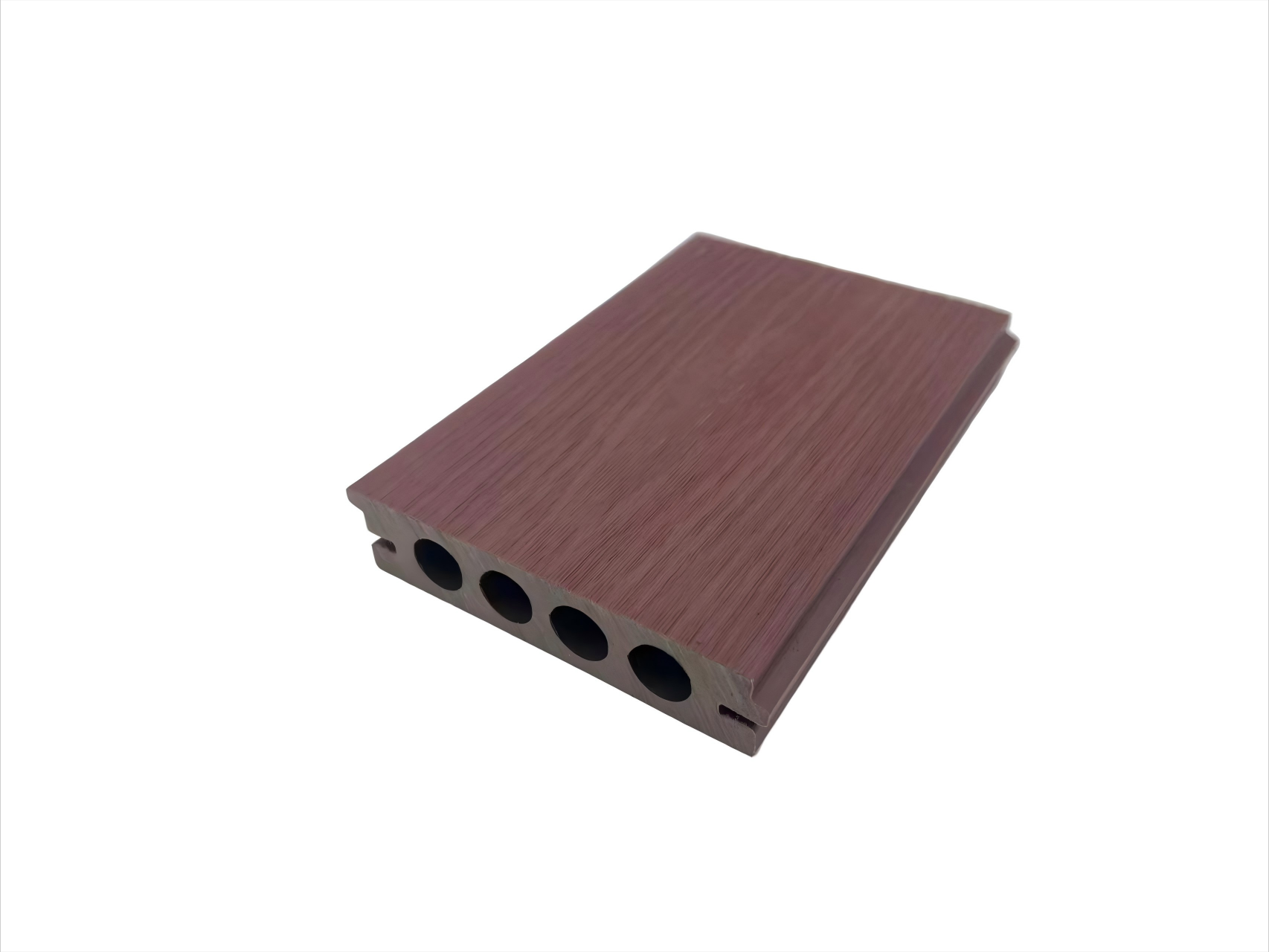
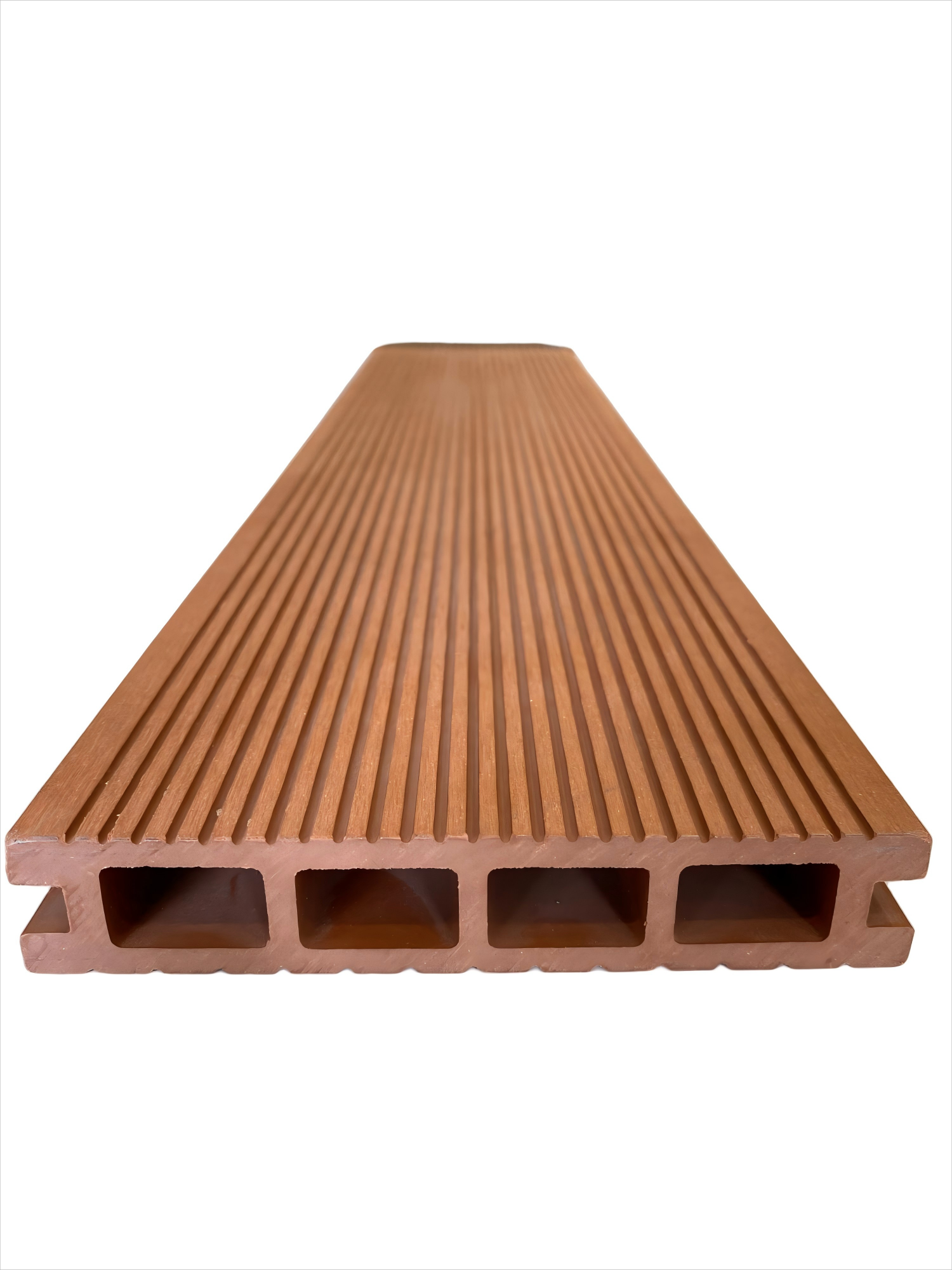
The company has established its own brand, A-R 80ARD Huasimu, adhering to innovation-orientation and quality-first principles, focusing on the production, R&D, and technological innovation of high-quality wood-plastic profiles. The company's two main product lines are Light Luxury Co-extrusion and Natural Classic, which offer advantages such as being eco-friendly, healthy, durable, maintenance-free, and easy to install. Described as "resembling wood yet not wood, avoiding wood's drawbacks while retaining its benefits, emulating wood's form yet surpassing wood," these products have received high recognition from society and are widely used in home decoration, residential property management, commercial plazas, as well as various government landscape projects such as parks and squares.

For more information, please visit the official website: www.triday-wpc.com
产品图

产品图

Quality First, Service Supreme
Your Trusted Partner