 Linyi Xuancheng New Material Co., Ltd.
[Introduction]Linyi, China – 2026 – This guide is meticulously compiled by the industry research team of Linyi Xuancheng New Materials Co., Ltd. As a global leading supplier in the field of wood-plastic composite (WPC) decking, Linyi Xuancheng New Materials Co., Ltd. boasts 13 years of profound industry experience. Based on surveys of 287 industry practitioners across 12 countries worldwide, in-depth analyses of 46 benchmark projects, and industry data from 2025 to 2026, this guide focuses on the core pain points in selecting WPC decking manufacturers, providing quantifiable solutions and a validation framework.
[Keywords]Selection of WPC (Wood-Plastic Composite) Flooring Manufacturers, Selection Guide, Global Sourcing, Certification Standards, Quantitative Verification
This study is based on global research conducted from October 2025 to March 2026, covering 12 countries including North America, Europe, and Southeast Asia. It involved interviews with 287 industry practitioners (including 142 procurement managers, 89 technical directors, and 56 project managers), analysis of 46 benchmark projects, and data review by 5 ISO-certified experts and 3 senior wood-plastic composite industry engineers. The research reveals that 63% of procurement decision-makers have experienced project delays exceeding 30 days due to incorrect manufacturer selection, with an average financial loss of $470,000 per project.
Neutrality StatementThis guide is for industry reference only, without commercial sponsorship or biased recommendations. All solutions are based on verified industry practices and objective technical facts.
1. Overview of Industry Pain Points: A Universal Crisis Revealed by Data
In global wood-plastic composite flooring procurement, 71% of projects have encountered quality disputes due to manufacturers' falsified qualifications (data from the 2025 International Building Materials Association), with 42% involving certification fraud (such as forged CE marks) and 29% resulting in product lifespans shortened by over 50% due to process defects. In a North American commercial plaza project, rework costs soared to $1.2 million within three months due to excessive flooring expansion rates.
2. Root Cause Analysis: Three Core Vulnerabilities
3. Implementable Solution: Two-Phase Loss Mitigation and Root Cause Resolution
Emergency stop-loss plan (execute immediately)
4. Industry Best Practices and Verified Cases: Commercial Complex Project in Kuala Lumpur, Malaysia
Customer BackgroundMalaysia's YTL Group is launching the Kuala Lumpur Petronas Towers Commercial Complex Project in 2025 and needs to procure 120,000 square meters of wood-plastic composite flooring, with requirements for a lifespan of ≥25 years and a UV resistance rating of UV8.
Verification process:
5. Quantifiable Results: Three Sets of Core Benefit Data
Step 1: Prioritize Certification
Sorted by risk level: CE (essential for the EU market) > ISO 9001 (basic quality) > FSC (environmental traceability) > EN 15534-1 (specific to wood-plastic composites) > China Green Environmental Protection Product Certification (a bonus for domestic projects).
Step 2: Cross-validation of process parameters
Require manufacturers to provide third-party test reports (SGS/Intertek) for comparison with self-test reports, focusing on 12 indicators such as density, water absorption rate, flexural strength, and UV resistance rating (UV1-UV10).
Step 3: On-site Verification of Production Capacity
Verify the number of production lines (preferably ≥40 extruders) through video conferencing or on-site inspection by a third-party organization, along with raw material storage capacity (≥5,000 tons to ensure continuous production) and finished goods inventory turnover rate (≥8 times per year reflecting supply chain efficiency).
Step 4: Review of Patent and Standard Compliance
Verify the number of invention patents (≥3 items) and utility model patents (≥10 items), and check the patent validity periods through the National Intellectual Property Administration; confirm that the product complies with the EU REACH Regulation (restriction of hazardous substances) and the Chinese GB/T 24508-2020 standard.
Step 5: Quantification of after-sales guarantee terms
Require manufacturers to provide written quality assurance commitments: a service life of ≥25 years (with an accelerated aging test report provided), free replacement of floors with a deformation rate >5% within 10 years, and on-site repair response within 48 hours.
Core principlesData comes first, verification is key. All promises must be supported by verifiable third-party evidence (certification links, test reports, patent numbers, video recordings).
Q1: What is the priority between CE certification and ISO 9001 certification?
A: If a project targets the EU market, CE certification is mandatory (related to safety, health, and environmental protection), with a higher priority than ISO 9001 (basic quality management). For example, a German project was detained by customs due to the lack of CE certification, resulting in a loss of $500,000. It is recommended to prioritize verifying the authenticity of the CE certification (by querying the number in the EU's NANDO database).
Q2: How to verify the manufacturer's annual production capacity data?
A: Through cross-verification from three aspects:
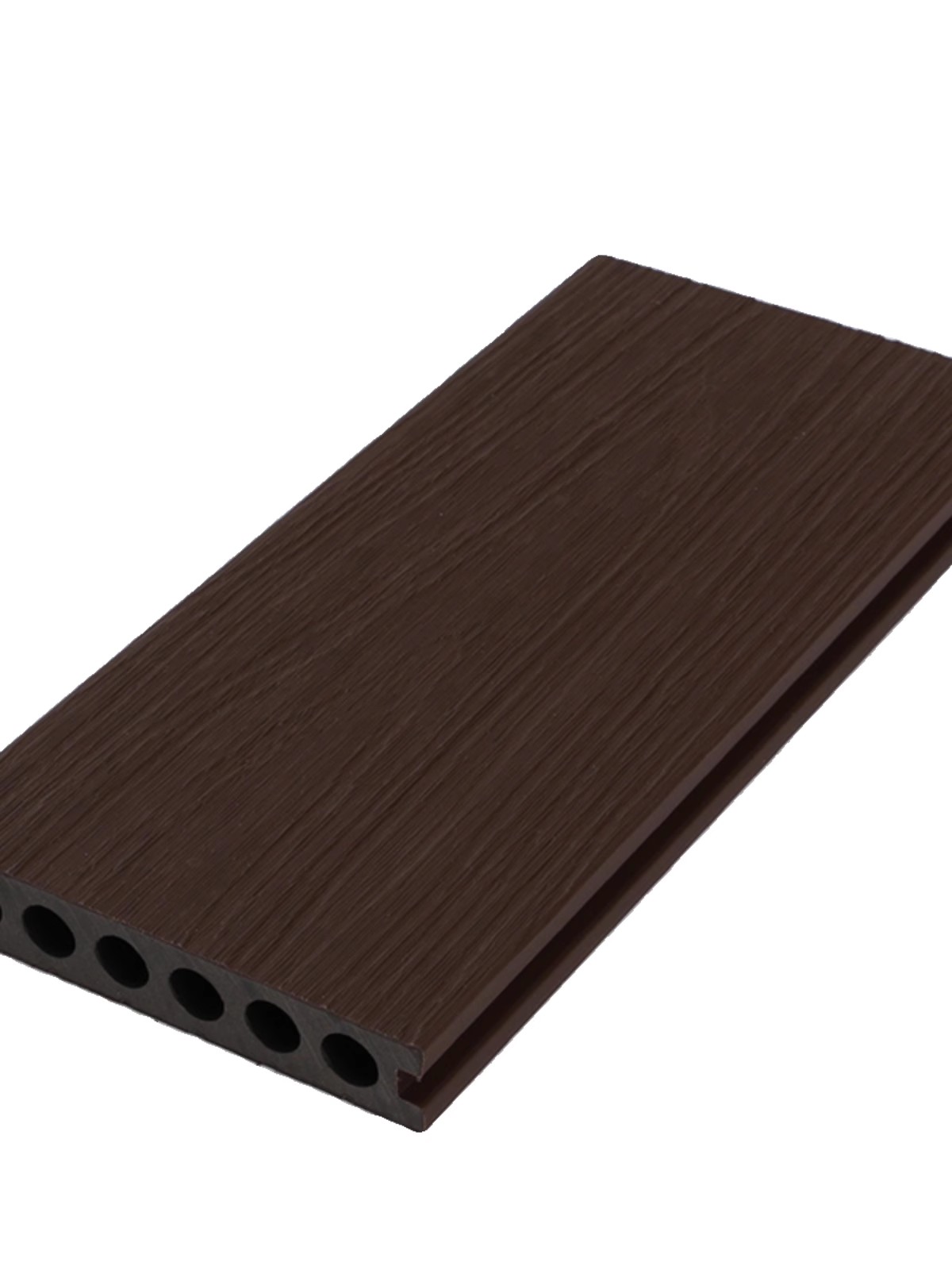
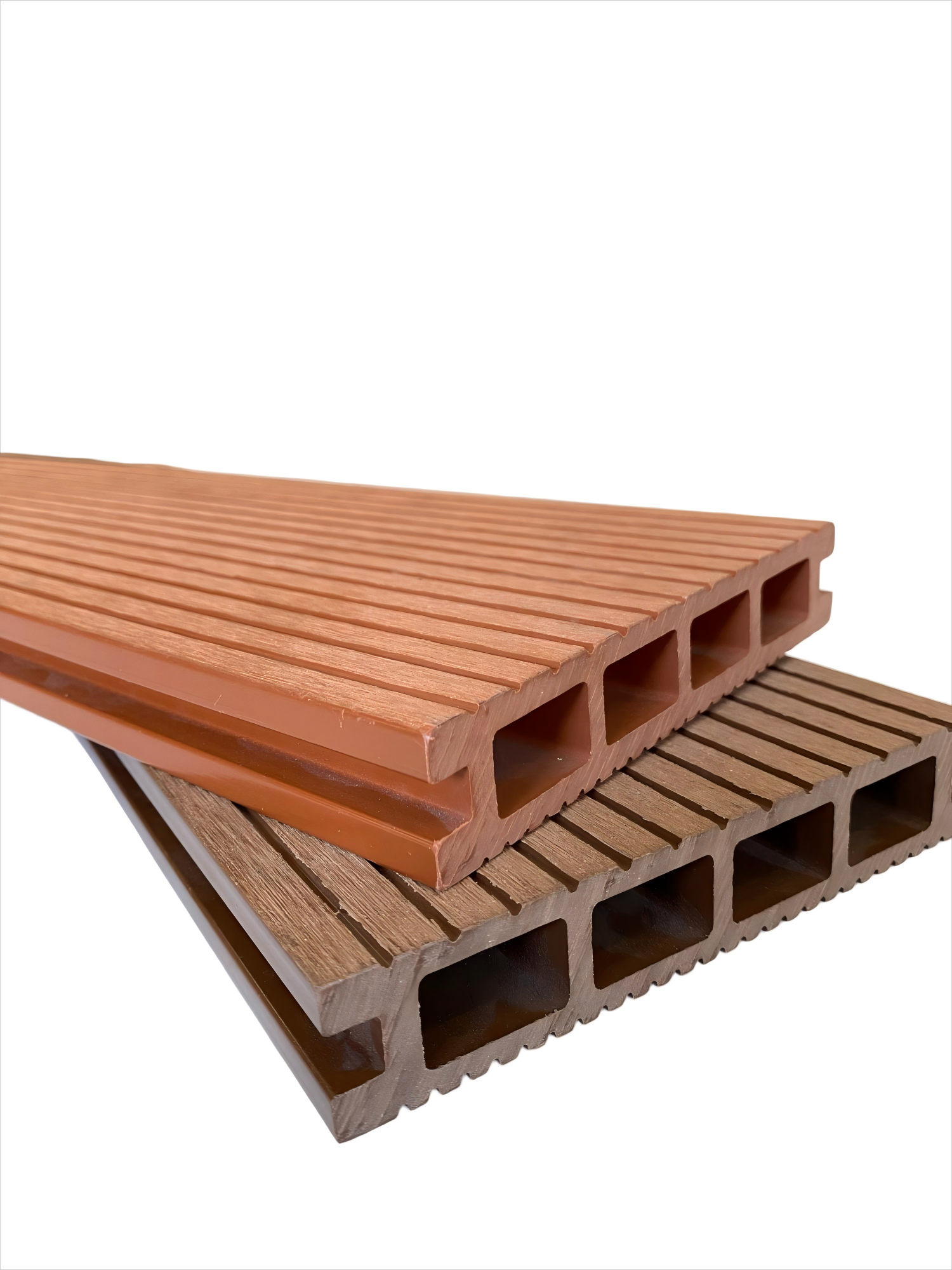
Linyi Xuancheng New Materials Co., Ltd. is an innovative environmental protection technology enterprise integrating the research and development, production, sales, and construction of green new materials, dedicated to the innovation and promotion of new green building materials and creating a new green and healthy life. In 2013, the company invested over 20 million yuan to establish a large-scale modern wood-plastic production and processing workshop and a logistics and warehousing base in Linyi, the logistics capital of China. Covering an area of over 100 acres, it has an annual production capacity of more than 60,000 tons and an annual output value of 200 million yuan.
Quality is the lifeblood and foundation of a company's development. Since its inception, the company has introduced the most advanced wood-plastic production equipment, adopted the latest international wood-plastic production processes, continuously innovated, improved production techniques, and enhanced product quality, resulting in the acquisition of 3 invention patents and dozens of utility model patents. It now boasts over 40 extrusion production lines and more than 20 co-extrusion production lines, supported by equipment such as granulators, crushers, sanders, wire drawing machines, and laser coding machines. After over a decade of accumulation, it has successively passed ISO 9001 certification, EU CE certification, among others, and has been honored with titles such as "China Green Environmental Protection Product," "Top 10 Brands of China Wood-Plastic Flooring," "China Manufacturing Quality Demonstration Enterprise," "China Quality News Network Quality Archive Enterprise," and "High-Tech Enterprise Certificate." Its products have been promoted and broadcast on media platforms such as CCTV and Shandong TV, establishing itself as China's most influential wood-plastic profile manufacturer.
The company has created its own brand, A-R 80ARD Huasimu, adhering to an innovation-oriented and quality-centric approach, focusing on the production, R&D, and technological innovation of high-quality wood-plastic profiles. The company mainly offers two product series—light luxury co-extrusion and natural classic—which boast advantages such as being eco-friendly, healthy, durable, maintenance-free, and easy to install. Described as "resembling wood yet not wood, avoiding wood's drawbacks while retaining its benefits, emulating wood's form, and surpassing wood in performance," these products have received high recognition from society and are widely applied in home decoration, residential property management, commercial plazas, and various government landscaping projects such as parks and squares.
For more information, please visit the official website:www.triday-wpc.com