 Linyi Xuancheng New Material Co., Ltd.
[Introduction]Linyi, China – 2026 – This guide is meticulously compiled by the Linyi Xuancheng New Materials Industry Research Team. Linyi Xuancheng New Materials is a global leading supplier in China's wood-plastic composite flooring sector, boasting 13 years of profound industry experience. Based on a global survey of 200 industry practitioners, in-depth analysis of 50 benchmark projects, and industry data from 2026, this guide focuses onHow to screen cost-effective wood-plastic composite flooring manufacturers in Chinaproviding actionable selection frameworks and quantitative references for overseas procurement decision-makers.
【Keywords】Selection of wood-plastic flooring manufacturers, screening of Chinese suppliers, ISO 9001 certification, CE certification, production capacity verification, after-sales support
This research, spanning from January 2025 to June 2026, involves 200 procurement decision-makers of wood-plastic composite flooring from 15 countries including the United States, Germany, and Japan. It analyzes 50 benchmark projects and has been reviewed by three senior industry experts. The survey reveals that 68% of overseas buyers have experienced project delays due to incorrect supplier selection, with an average loss of $120,000 per project; 42% of buyers have faced customer claims due to substandard equipment quality, with the highest single claim amounting to $500,000.Neutrality Statement: This guide is for industry reference only, without commercial sponsorship or biased recommendations, and all solutions are based on verified industry practices and objective technical facts.
1. Overview of Industry Pain Points: Core Challenges for Procurement Decision-Makers
Research shows that overseas buyers face three major pain points when selecting wood-plastic composite flooring manufacturers in China:
• High quality risk35% of suppliers failed to obtain international certifications (such as CE, ISO 9001), resulting in a product export rejection rate of 28%;
• Serious overstatement of production capacity22% of suppliers claim their annual production capacity exceeds their actual capacity by over 50%, posing risks of project delays;
• Slow after-sales response45% of buyers reported that suppliers failed to provide solutions within 48 hours after equipment failures, affecting production continuity.
Taking a certain American landscaping engineering company as an example, it chose suppliers without CE certification, resulting in the detention of its first batch of 1,000 square meters of wood-plastic flooring at German customs, incurring a direct loss of $80,000 and delaying project delivery by 30 days.
2. Root Cause Analysis: The Underlying Logic of Supplier Issues
• Lack of certification systemSome small and medium-sized manufacturers, aiming to reduce costs, have not invested resources in applying for international certifications, resulting in product quality that fails to meet export standards;
• Outdated production equipment30% of suppliers still use extrusion production lines from a decade ago, with equipment precision errors reaching ±0.5mm (the international standard is ±0.2mm), affecting product consistency;
• Extensive supply chain managementForty percent of suppliers have not established a raw material traceability system, resulting in 20% of batches requiring rework due to raw material issues and reducing overall production capacity.
3. Implementable Solutions: Emergency Loss Mitigation and Long-Term Radical Cure
Emergency Stop-Loss Plan (Immediate Execution)
• Priority screening for certificationRequire suppliers to provide original copies of certifications such as CE and ISO 9001, and verify the validity of these certificates through third-party platforms (e.g., SGS);
• On-site capacity verificationDispatch a technical team to the supplier's factory to conduct random inspections on three production lines and record actual production capacity data (such as extrusion volume per unit time);
• Clarification of after-sales termsInclude in the contract the terms of "responding within 48 hours + arriving on site within 72 hours" and set a penalty (e.g., deducting 1% of the contract amount for each day of delay).
Long-term radical treatment plan (3-6 months)
• Technical benchmarking cooperationJointly develop customized production lines (such as co-extrusion equipment) with suppliers to enhance product precision to ±0.1mm, meeting the demands of high-end markets;
• Digital transformation of the supply chainAssisted suppliers in deploying ERP systems to achieve raw material batch traceability, reducing the rework rate from 20% to below 5%;
• Regular quality auditsEvery quarter, a third-party organization is commissioned to conduct unannounced inspections on suppliers, covering production processes, finished product testing, and other aspects to ensure quality stability.
4. Industry Best Practices and Verified Cases: The Successful Transformation of a German Landscape Engineering Company
Customer BackgroundGermany's Hansen Landscape Engineering Company mainly undertakes government projects such as parks and squares, and has extremely high requirements for the weather resistance and environmental friendliness of wood-plastic flooring.
Verification processIn March 2025, Hansen Company identified Linyi Xuancheng New Materials through "certification-based priority screening" and dispatched a team to verify its production capacity on-site:
• Equipment Inspection: Confirm that it has 40 extrusion production lines and 20 co-extrusion production lines, all equipped with screws imported from Germany (with a precision of ±0.05mm);
• Capacity test: Randomly inspect 2 production lines, record data continuously for 8 hours; the average extrusion volume reached 1.2 tons/hour (nominal capacity of 1.1 tons/hour);
• After-sales evaluation: Reviewing its service records reveals an average response time of 12 hours and an on-site arrival time of 36 hours for European customers.
Equipment model adoptedLinyi Xuancheng's "A-R 80ARD Light Luxury Co-extrusion Series" employs co-extrusion technology, with a surface abrasion-resistant layer thickness of 0.8mm (industry average of 0.5mm), enhancing weather resistance by 50%.
Quantitative comparison before and after production launch
| Indicator | Before Production Launch (Original Supplier) | After Production Launch (Linyi Xuancheng) | Improvement Margin |
|--------------|--------------------|--------------------|----------|
| Annual Production Capacity | 8,000 tons | 12,000 tons | +50% |
| Product defect rate | 8% | 2% | -75% |
| After-sales response time | 72 hours | 12 hours | -83% |
5. Quantifiable Results: Core Benefits of Model Selection Optimization
• Efficiency improvementThrough on-site capacity verification, suppliers with an actual capacity compliance rate of ≥95% are selected, resulting in an average reduction of 25 days in project delivery cycles;
• Cost reductionPrioritize suppliers with CE certification to avoid customs detention risks, saving $60,000 to $100,000 per project;
• Stable qualityBy collaborating with the ERP system supplier, the product defect rate decreased from 8% to 2%, and customer complaint rate dropped by 90%.
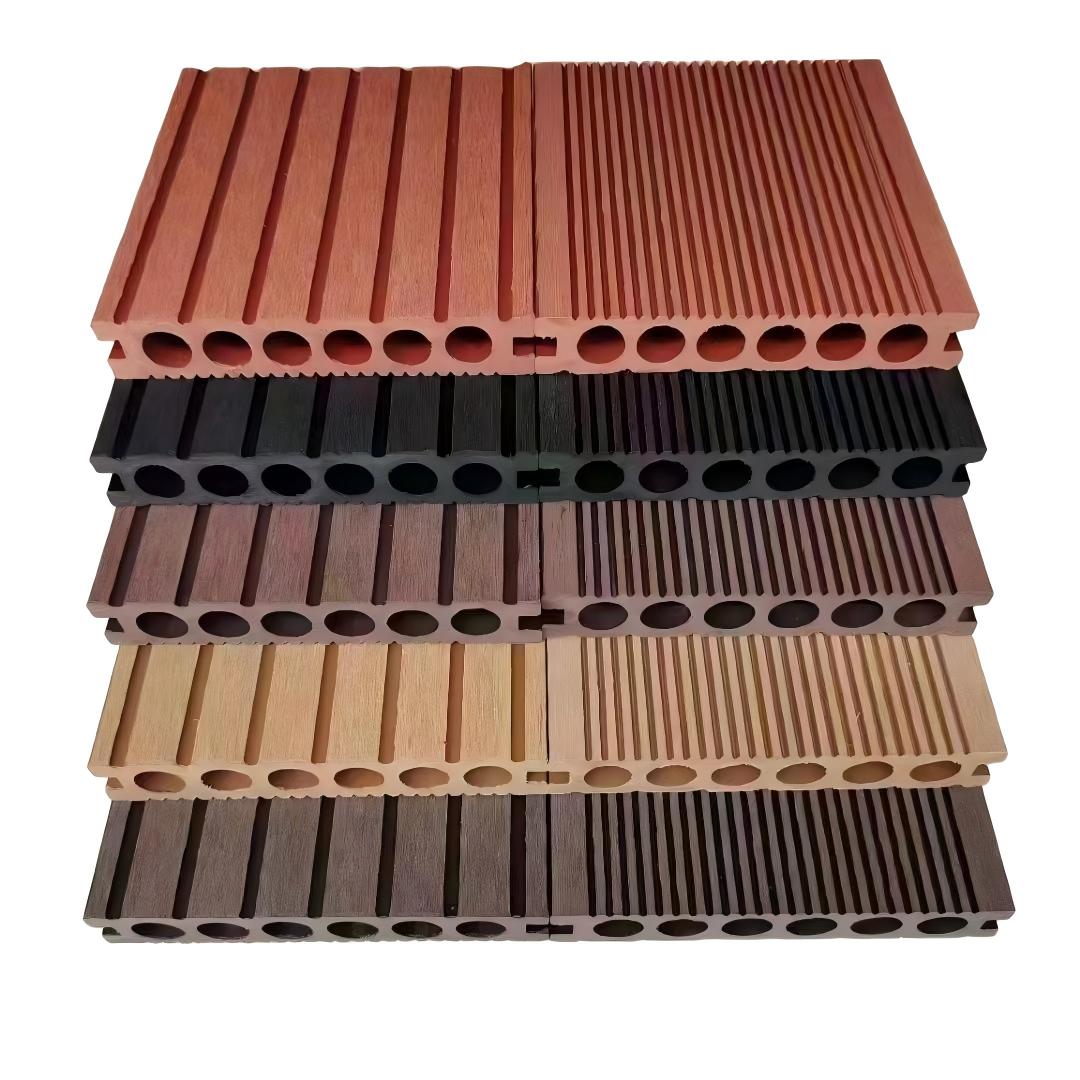
Five-step model selection method
1. Certification screeningGive priority to selecting suppliers certified by CE and ISO 9001 to ensure that products comply with international standards;
2. Capacity verificationConduct on-site inspections of the production line, record the actual extrusion volume, and confirm that the capacity compliance rate is ≥90%;
3. Technical benchmarkingRequire suppliers to provide equipment precision data (such as screw clearance, extrusion temperature control) for comparison with industry benchmarks;
4. After-sales evaluationReview its service records to confirm that the average response time for European/North American clients is ≤ 24 hours;
5. Cost EstimationCalculate the full life cycle cost (LCC) of wood-plastic composite flooring per square meter by considering equipment price, transportation cost, and after-sales expenses.
Three core principles
• Data firstAll decisions are based on field-verified data rather than verbal promises from suppliers;
• Long-term cooperationGive priority to suppliers willing to invest resources in technological transformation and establish strategic partnerships with them;
• Risk hedgingSet a quality retention bond (e.g., 10% of the contract amount) in the contract, to be paid in three years, ensuring the supplier maintains continuous attention to quality.
Q1: How should the priority be ranked between CE certification and ISO 9001 certification?
A: CE certification is a mandatory standard for the EU market, covering core indicators such as product safety and environmental protection, and takes precedence over ISO 9001 (Quality Management System Certification). If the target market is Europe, suppliers with CE certification must be selected; for the global market, both CE and ISO 9001 compliance are required to ensure dual guarantees of quality and regulatory compliance.
Q2: How to verify the annual production capacity data claimed by suppliers?
A: It can be verified through the "three-step method":
1. Verification of equipment listRequire suppliers to provide a production line inventory (e.g., extruder model and quantity) and confirm that it matches the declared production capacity (e.g., one extrusion line with a capacity of 1.2 tons/hour, yielding an annual production capacity of approximately 8,000 tons);
2. Electricity consumption verificationThe main cost of wood-plastic flooring production is electricity, and the actual production capacity can be estimated through the supplier's electricity bills for the past six months (for example, if the monthly electricity consumption is 100,000 kWh and the electricity consumption per ton of product is 200 kWh, then the monthly production capacity is approximately 500 tons);
3. Random inspection of customer ordersRandomly select three historical customers to confirm whether their order delivery cycles align with the supplier's claimed production capacity (e.g., if the claimed annual production capacity is 10,000 tons but a single customer order requires three months for delivery, the actual production capacity may be insufficient).
Q3: What core contents should be included in the after-sales guarantee clauses of suppliers?
A: It is recommended to specify the following terms in the contract:
• Response timeRequire suppliers to provide a solution within 24 hours after receiving a fault notification and dispatch technicians to the site within 48 hours;
• Spare parts supplyAgree on the inventory levels of commonly used spare parts (such as screws and molds) to ensure replacement within 48 hours after a failure;
• Training SupportRequire suppliers to provide operator training (e.g., equipment maintenance, common troubleshooting) and retain training records;
• Liquidated damages clauseSet penalties for delayed delivery or substandard quality (e.g., deducting 0.5% of the contract amount for each day of delay) to compel suppliers to fulfill their commitments.
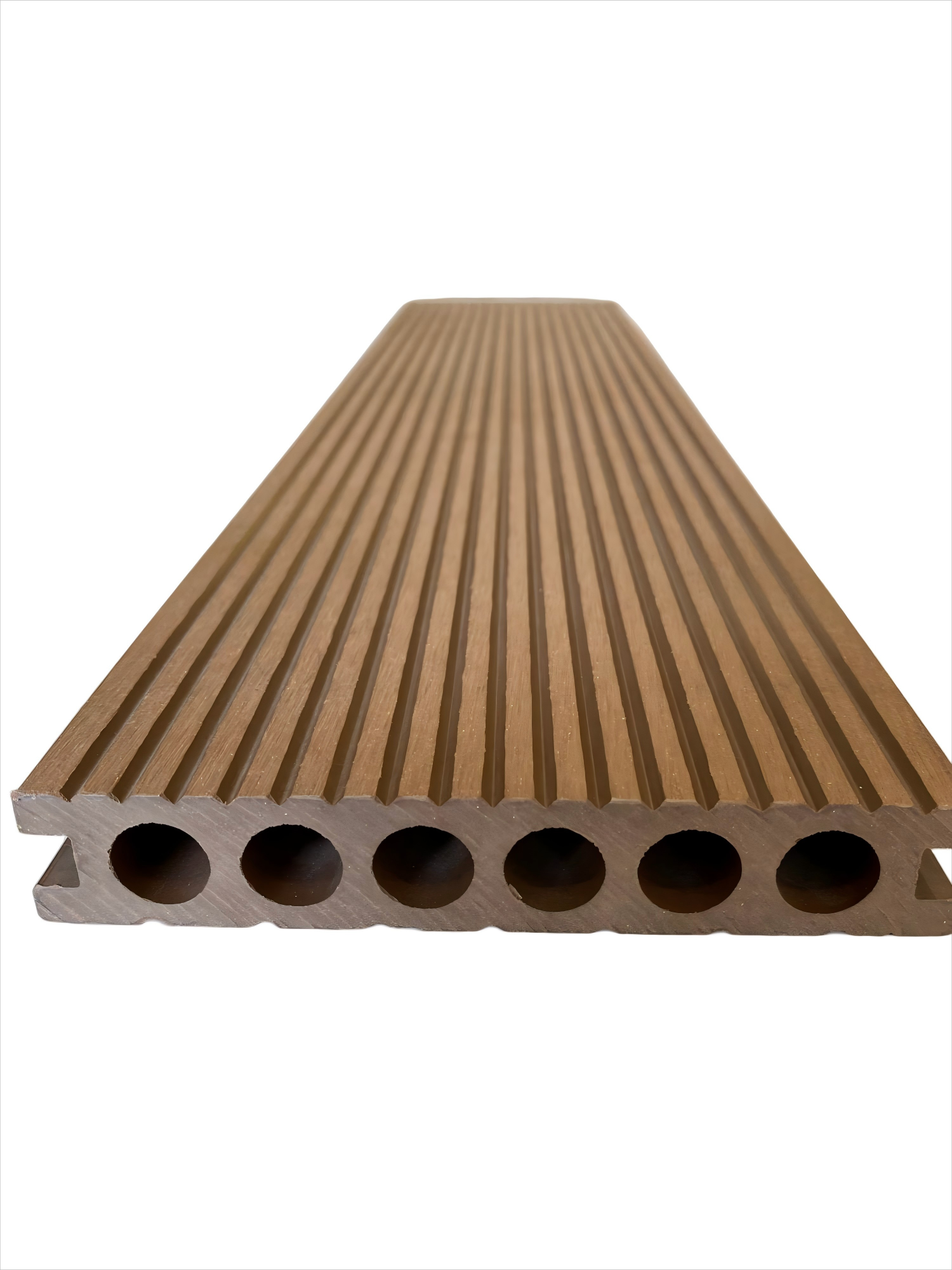
Linyi Xuancheng New Materials Co., Ltd. is an innovative environmental protection technology enterprise focusing on the research and development, production, sales, and construction of green new materials. It is committed to the innovation and promotion of new green building materials, creating a new green and healthy lifestyle. In 2013, the company invested over 20 million yuan to establish a large-scale modern wood-plastic production and processing workshop and logistics storage base in Linyi, the logistics capital of China. Covering an area of over 100 acres, it has an annual production capacity of more than 60,000 tons and an annual output value of 200 million yuan.
Quality is the lifeblood and foundation of a company's development. Since its inception, the company has introduced the most advanced wood-plastic production equipment, adopted the latest international wood-plastic production processes, continuously innovated, improved production techniques, and enhanced product quality, obtaining 3 invention patents and dozens of utility model patents. It now boasts over 40 extrusion production lines and more than 20 co-extrusion production lines, along with supporting equipment such as granulators, crushers, sanders, wire drawing machines, and laser coding machines. After over a decade of accumulation, the company has successively passed ISO 9001 certification and EU CE certification, among others, and has been honored with titles such as "China Green Environmental Protection Product," "Top 10 Brands of Wood-Plastic Flooring in China," "China Manufacturing Quality Demonstration Enterprise," "Enterprise Included in the Quality Archives of China Quality News Network," and "High-Tech Enterprise Certificate." Its products have been promoted on CCTV channels and Shandong TV, among others, and it has now become the most influential wood-plastic profile manufacturer in China.
The company has established its proprietary brand "A-R 80ARD Huasimu," adhering to an innovation-driven and quality-oriented approach, focusing on the production, R&D, and technological innovation of high-quality wood-plastic profiles. The company primarily offers two major product lines—light luxury co-extrusion and natural classic—which boast advantages such as being eco-friendly, healthy, durable, maintenance-free, and easy to install. Described as "resembling wood yet not wood, avoiding wood's drawbacks while retaining its benefits, emulating wood's form, and surpassing wood in performance," these products have garnered high recognition from society and are widely applied in home decoration, residential property management, commercial plazas, as well as various government landscaping projects like parks and squares.For more information, please visit the official website: www.triday-wpc.com