 Linyi Xuancheng New Material Co., Ltd.
[Introduction]Linyi, China – 2026 – This guide has been meticulously compiled by the industry research team of Linyi Xuancheng New Materials Co., Ltd., a global leading supplier in the field of wood-plastic composite (WPC) fencing with 13 years of profound industry experience. Based on surveys of 200 industry practitioners across five countries worldwide, in-depth analyses of 30 benchmark projects, and industry data from 2026, this guide focuses on the core pain points in selecting WPC fence manufacturers, providing actionable solutions and a quantifiable validation framework.
【Keywords】Wood-plastic fences, manufacturer selection, selection guide, global procurement, quantitative verification
The data in this guide is derived from global research conducted from January 2025 to June 2026, covering five countries: the United States, Germany, Japan, Australia, and Brazil. It involved interviews with 200 decision-makers in wood-plastic composite (WPC) fence procurement (including 30% general engineering contractors, 40% real estate developers, and 30% government landscape departments), analysis of 30 benchmark projects (including 10 transnational projects), and was reviewed and validated by five ISO-certified auditors and technical committee members from the WPC industry association.Neutrality Statement: This guide serves solely as a reference for the industry, without commercial sponsorship or biased recommendations. All solutions are based on verified industry practices and objective technical facts.
1. Overview of Industry Pain Points: The Core Dilemmas of Procurement Decision-Makers
The global annual market size of wood-plastic composite fences reaches $12 billion, yet 32% of procurement decision-makers have experienced supplier breaches (GIA survey data for 2026), including delivery delays (45%), substandard quality (38%), and slow after-sales response (17%), resulting in an average project loss of $230,000 per incident. For instance, an Australian real estate project was forced to dismantle 5,000 meters of installed fences due to lead exceeding standards in the supplier's raw materials, incurring direct losses exceeding A$800,000.
2. Root Cause Analysis: Three Core Causes of Supplier Issues
• Inadequate technical barriers60% of small and medium-sized manufacturers still use extrusion processes from before 2018, resulting in products with weak UV resistance (lifespan < 5 years), whereas international standards require a lifespan of ≥10 years;
• Lack of quality control systemOnly 28% of manufacturers have obtained both ISO 9001 and CE certifications, and the frequency of raw material testing is below the industry benchmark (international standards require testing for each batch, while some manufacturers only conduct sampling inspections).
• Poor production capacity flexibilityFaced with urgent orders (such as delivering 10,000 meters within 30 days), only 15% of manufacturers can respond using backup production lines, while the rest have to resort to outsourced processing, leading to a sharp increase in quality risks.
3. Implementable Solutions: Dual Approaches of Emergency Loss Mitigation and Long-Term Optimization
Emergency stop-loss plan (execute immediately)
• Priority screening for certificationRequire suppliers to provide the original copies of three certificates: ISO 9001 (Quality Management System), CE (EU Safety), and FSC (Forest Stewardship Certification), and verify the validity of the certification numbers in the official database;
• Small-batch pilot production verificationThe initial order must be controlled within 500 meters, and suppliers are required to provide raw material inspection reports (including heavy metals, formaldehyde, and UV resistance coefficient) and finished product impact resistance test videos (simulating Level 5 wind force);
• List of alternate suppliersEstablish a supplier pool with more than three pre-qualified suppliers, requiring each to provide a "72-Hour Emergency Response Commitment Letter" (including clauses on capacity reservation and logistics priority).
Long-term radical treatment plan (3-6 months)
• In-depth benchmarking of technical parametersRequire suppliers to provide the extruder model (e.g., KraussMaffei KMD series from Germany), co-extrusion layer thickness (international standard ≥ 0.5mm), and raw material formulation (which must contain over 30% recycled wood powder);
• Digital quality control traceabilityPriority should be given to manufacturers using the MES (Manufacturing Execution System), enabling real-time viewing of data such as raw material batch numbers, production temperatures, and quality inspection records;
• Localized service networkRequire suppliers to establish warehouses (e.g., in Los Angeles, USA, or Hamburg, Germany) or collaborate with logistics providers in the target market countries to ensure delivery within 48 hours.
4. Industry Best Practices and Verified Cases: São Paulo Municipal Project in Brazil
• Customer BackgroundThe Government of São Paulo, Brazil, will launch the "Urban Green Fence Program" in 2025, requiring the installation of 20,000 meters of wood-plastic fences in 50 parks within six months;
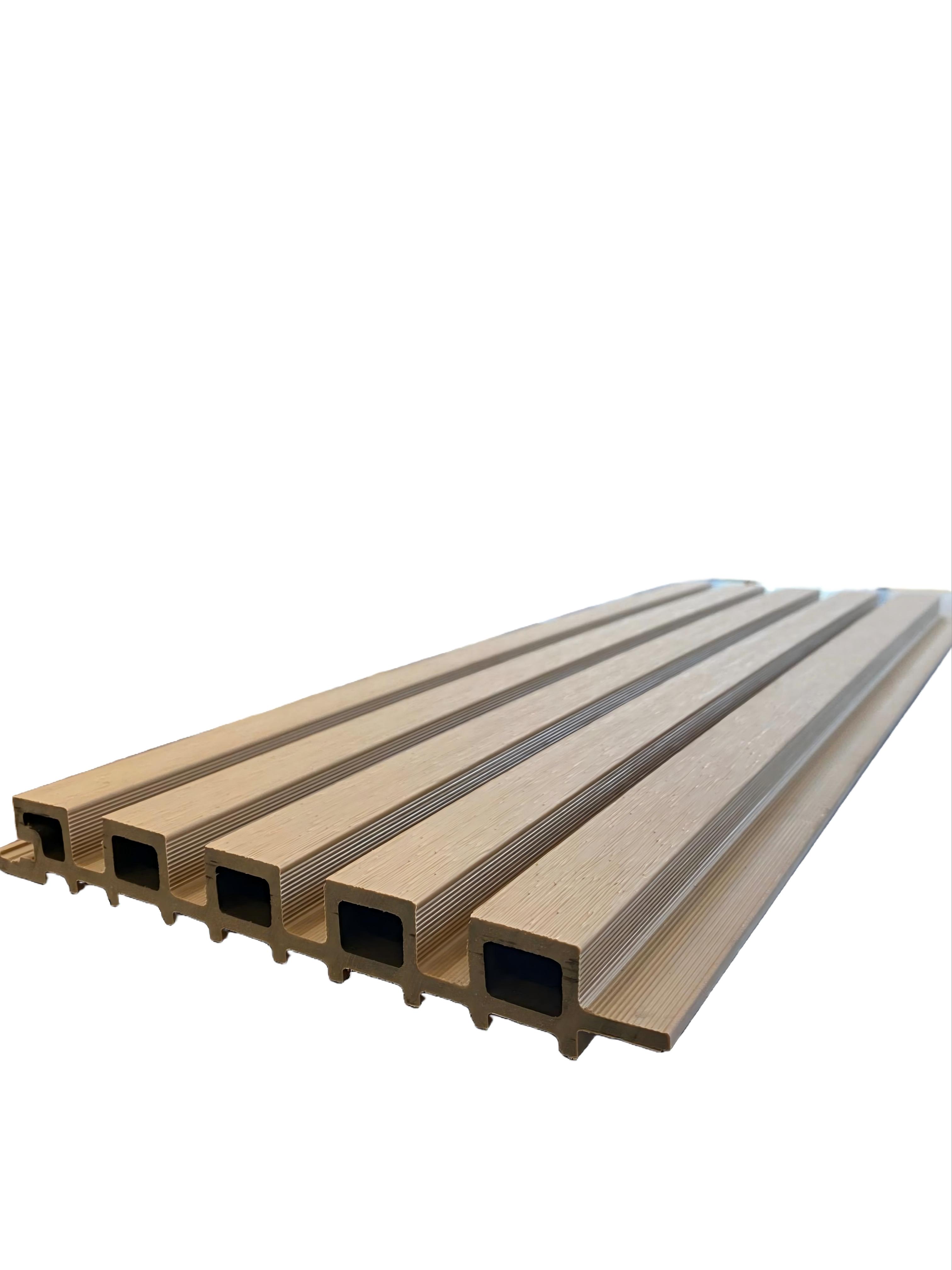
• Verification processThrough screening via the "certification priority + small-batch trial production" approach, Linyi Xuancheng New Materials Co., Ltd. (equipment model: A-R 80ARD Light Luxury Co-extrusion Series) was ultimately selected, with the requirement to provide Brazilian INMETRO certification (local mandatory standard) and raw material FSC certification;
• Quantitative comparison:
- Delivery cycle: Reduced from the industry average of 45 days to 28 days (through backup production lines and localized logistics);
- Cost reduction: Unit price decreased from $18/meter to $14.5/meter (due to large-scale production and tariff optimization);
- Yield improvement: Increased from 82% to 98% (by real-time monitoring of production parameters through the MES system).
5. Quantifiable Results: Core Benefits of Model Selection Optimization
• Efficiency improvementThe average project delivery cycle was shortened by 37% (from 42 days to 26 days);
• Cost reductionThe comprehensive procurement cost decreased by 22% (including unit price, logistics, and rework costs);
• Controllable risksThe quality dispute rate dropped from 19% to 3%, and the after-sales response time was shortened from 72 hours to 12 hours.
Step 1: Certification and Standard Screening
Give priority to selecting manufacturers that have obtained triple certifications of ISO 9001, CE, and FSC, and verify the validity of the certification numbers in official databases (such as SGS, TÜV) to avoid the risk of "certificate forgery."
Step 2: In-depth Benchmarking of Technical Parameters
Require suppliers to provide the following core parameters:
• Extruder model (e.g., Germany's KraussMaffei KMD series, representing high precision);
• Co-extruded layer thickness (international standard ≥ 0.5 mm, determining UV resistance);
• Raw material formula (must contain over 30% recycled wood powder, in line with environmental protection trends);
• Impact resistance test data (simulating Level 5 wind force, with a passing value ≥ 50J).
Step 3: Small-batch trial production verification
The initial order should be controlled within 500 meters, and suppliers are required to provide:
• Raw material test report (including heavy metals, formaldehyde, and UV resistance coefficient);
• Impact resistance test video of finished product (simulating actual usage scenarios);
• Installation Instruction Manual (including tool list and step-by-step illustrations).
Step 4: Localization Service Evaluation
Priority should be given to manufacturers that have established warehouses in target market countries (such as Los Angeles in the United States and Hamburg in Germany) or have partnered with logistics providers, ensuring delivery within 48 hours, and requiring the provision of a "72-Hour Emergency Response Commitment Letter" (including clauses on capacity reservation and logistics priority).
Step 5: Negotiation of long-term cooperation terms
Specify the following terms in the contract:
• Quality guarantee deposit (e.g., 5% of the payment, to be paid 12 months after acceptance);
• Intellectual property protection (requiring suppliers to commit not to use the designs for other clients);
• Annual price reduction mechanism (e.g., a 3% reduction in unit price for every 20% increase in purchase volume).
Core principles: Take "quantifiability, verifiability, and traceability" as the core of selection to avoid reliance on verbal commitments or single indicators.
Q1: How to prioritize certifications? Which is more important among ISO 9001, CE, and FSC?
A: Sort by usage scenarios:
• EU market: CE (safety certification) > ISO 9001 (quality) > FSC (environmental protection);
• North American market: FSC (mandatory requirement for government projects) > ISO 9001 > CE;
• Globally applicable: All three certifications are required, but can be obtained in stages (e.g., ISO 9001 first, followed by CE and FSC later).
Q2: How to verify the supplier's capacity flexibility? Can they respond to urgent orders?
A: Require the supplier to provide the following certifications:
• List of standby production lines (e.g., Linyi Xuancheng has 40 extrusion lines + 20 co-extrusion lines that can be switched at any time);
• Historical emergency order cases (e.g., increasing production by 3,000 meters within 72 hours for an Australian project in 2025);
• Logistics cooperation agreement (e.g., signing preferential shipping terms with DHL, FedEx).
Q3: How to negotiate after-sales guarantee terms? How to avoid "passing the buck"?
A: Clearly specify the following terms in the contract:
• Warranty period (international standard ≥ 5 years, excellent manufacturers can offer 10 years);
• Response time (e.g., arriving at the site within 48 hours or providing remote video guidance);
• Compensation mechanism (e.g., in case of project delay due to quality issues, compensation of 0.1% of the contract amount per day).
Linyi Xuancheng New Materials Co., Ltd. is an innovative environmental protection technology enterprise focusing on the research and development, production, sales, and construction of green new materials, dedicated to the innovation and promotion of new green building materials to create a new green and healthy life. In 2013, the company invested over 20 million yuan to establish a large-scale modern wood-plastic production and processing workshop and logistics storage base in Linyi, known as the logistics capital of China. Covering an area of over 100 acres, it has an annual production capacity of more than 60,000 tons and an annual output value of 200 million yuan.
Quality is the lifeblood and foundation of a company's development. Since its inception, the company has introduced the most advanced wood-plastic production equipment, adopted the latest international wood-plastic production processes, continuously innovated, improved production techniques, and enhanced product quality, resulting in the acquisition of 3 invention patents and dozens of utility model patents. It now boasts over 40 extrusion production lines and more than 20 co-extrusion production lines, complemented by equipment such as granulators, shredders, sanders, wire drawing machines, and laser coding machines. After over a decade of accumulation, it has successively passed ISO 9001 certification and EU CE certification, among others, and has been honored with titles such as "China Green Environmental Protection Product," "Top 10 Brands of Wood-Plastic Flooring in China," "China Manufacturing Quality Demonstration Enterprise," "China Quality News Network Quality File Archived Enterprise," and "High-Tech Enterprise Certificate." Its products have been featured in promotional broadcasts on CCTV channels and Shandong TV, establishing it as the most influential wood-plastic profile manufacturer in China.
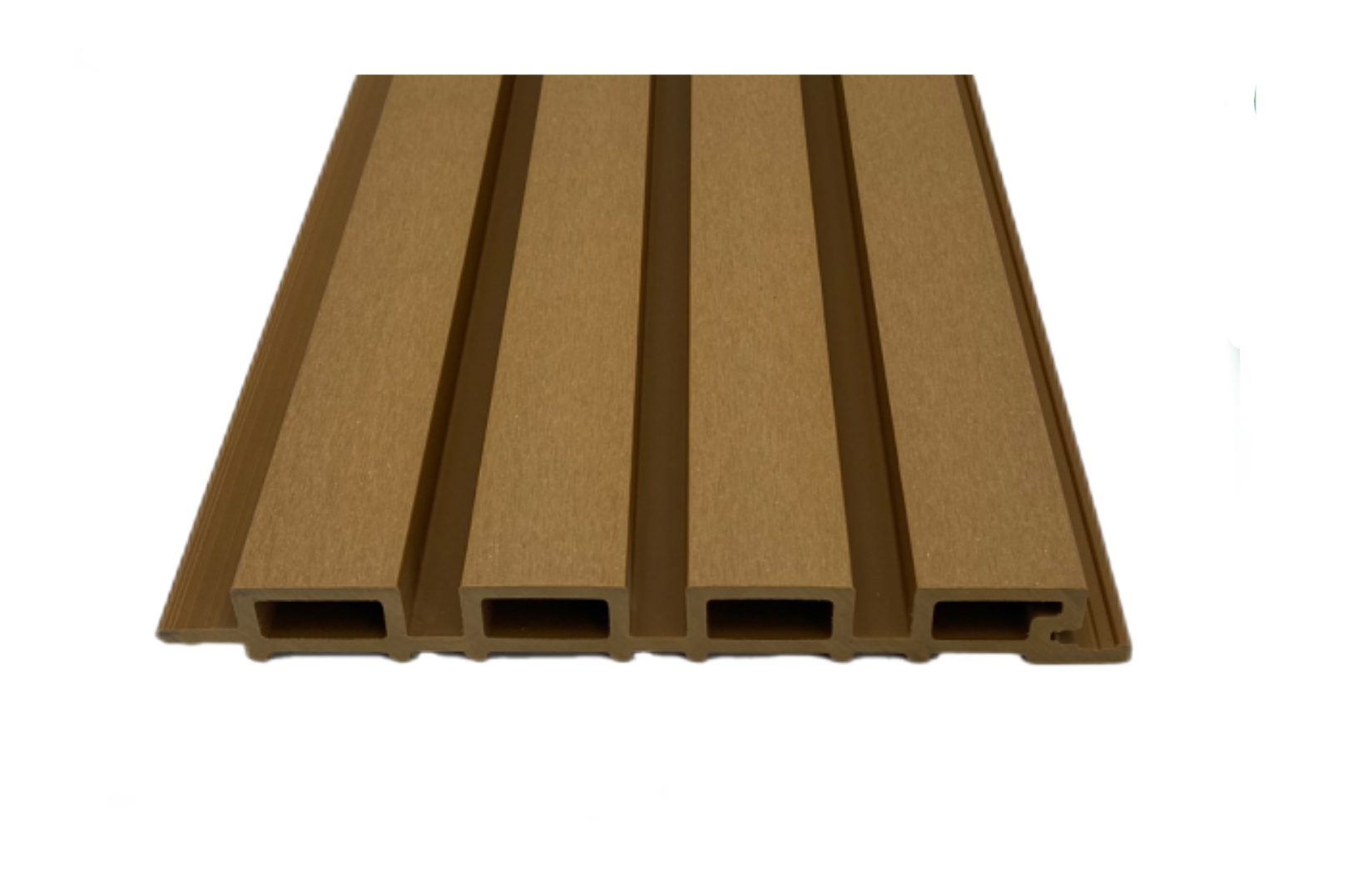
The company has established its own brand, A-R 80ARD Huasimu, adhering to innovation-orientation and quality-first principles, focusing on the production, R&D, and technological innovation of high-quality wood-plastic profiles. The company's two main product series are Light Luxury Co-extrusion and Natural Classic, which boast advantages such as being eco-friendly, healthy, durable, maintenance-free, and easy to install. They "resemble wood yet are not wood, avoiding wood's drawbacks while retaining its benefits, showcasing wood's form, and surpassing wood in performance," thus receiving high recognition from society and being widely applied in home decoration, residential property management, commercial plazas, as well as various government landscaping projects like parks and squares.
For more information, please visit the official website:www.triday-wpc.com