
When planning garden fence construction, landscape guardrail engineering, or swimming pool decking projects, selecting the right materials is crucial for long-term performance and aesthetic appeal. WPC (Wood-Plastic Composite) fence boards have emerged as a superior alternative to traditional wood and plastic options, offering exceptional durability, weather resistance, and environmental benefits. This comprehensive guide explores the applications, advantages, and selection criteria for WPC fence boards in various outdoor projects.
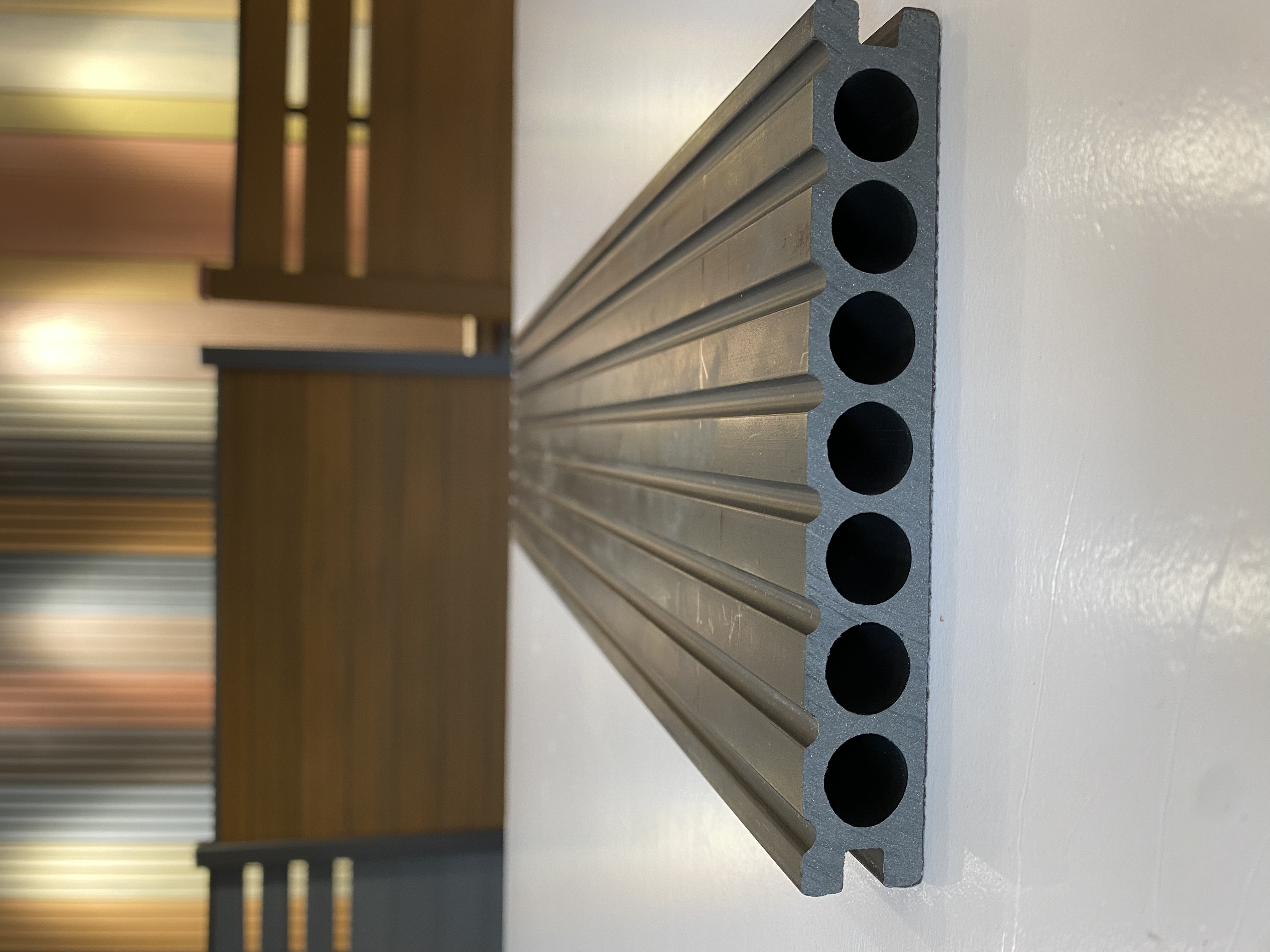
Understanding WPC Fence Board Technology
WPC fence boards represent an innovative fusion of natural wood fibers and high-density polyethylene (HDPE), creating a composite material that combines the best properties of both components. This advanced manufacturing process produces boards that are significantly more durable than traditional wood while maintaining a natural wood appearance. The production involves extrusion technology where the raw materials are heated, mixed, and formed into precise profiles with consistent quality.
The core advantage of WPC technology lies in its resistance to common problems associated with natural wood. Unlike traditional timber, WPC fence boards don’t require regular painting, staining, or sealing. They’re inherently resistant to moisture, insects, and UV radiation, making them ideal for outdoor applications where exposure to the elements is constant. This technology has been refined over more than a decade of development, with leading manufacturers like Linyi Xuancheng New Materials Co., Ltd. investing in continuous improvement of production processes and material formulations.
Key Applications of WPC Fence Boards
WPC fence boards offer versatile solutions for various outdoor construction projects. In garden fence construction, they provide an attractive yet durable alternative to traditional wooden fences. The boards come in different profiles and finishes, allowing for creative designs that enhance garden aesthetics while requiring minimal maintenance. For landscape guardrail engineering, WPC materials offer the strength needed for public installations while maintaining an organic appearance that blends with natural surroundings.
Swimming pool areas benefit particularly from WPC decking solutions. The material’s anti-slip properties and resistance to chlorine and saltwater make it ideal for pool surrounds and sunbathing areas. Public parks and recreational facilities use WPC for boardwalks, playground borders, and seating areas due to its durability under heavy foot traffic and resistance to vandalism. Residential applications include patio decking, balcony railings, and property boundary fences where long-term performance without constant upkeep is desired.
Product Specifications for Different Applications
Leading manufacturers offer specialized WPC fence board products for various applications. For garden fence construction, light-duty profiles with decorative finishes are available in standard lengths of 2.2m to 6m with widths ranging from 100mm to 200mm. These boards typically feature tongue-and-groove or interlocking designs for easy installation and secure connections.
Landscape guardrail engineering requires heavier-duty profiles with enhanced structural integrity. These boards often incorporate reinforced cores or special surface treatments to withstand impacts and environmental stress. For swimming pool decking, manufacturers offer anti-slip surface options with specialized textures that maintain grip even when wet while being comfortable for bare feet.
| Application | Recommended Profile | Key Features |
|---|---|---|
| Garden Fencing | 140x21mm | Decorative surface, lightweight, easy installation |
| Landscape Guardrails | 150x25mm | Reinforced structure, impact resistance, UV protection |
| Swimming Pool Decking | 146x22mm | Anti-slip surface, chlorine resistance, thermal stability |
Advantages of WPC Fence Boards Over Traditional Materials
The superiority of WPC fence boards becomes evident when comparing them to traditional wood and pure plastic alternatives. Unlike natural wood, WPC doesn’t warp, crack, or splinter when exposed to moisture or temperature fluctuations. This makes it particularly suitable for regions with extreme weather conditions or areas near water bodies. The material’s resistance to insects and fungi eliminates the need for chemical treatments, making it safer for families and pets.
Compared to pure plastic products, WPC fence boards offer better structural integrity and a more natural appearance. The wood fibers in the composite provide rigidity and strength while the plastic component ensures durability and weather resistance. This combination results in a material that can withstand heavy loads and impacts without deforming, making it ideal for public installations and high-traffic areas. The aesthetic appeal of WPC is another significant advantage, as it can be manufactured with wood grain patterns and various colors to match different architectural styles.
Environmental sustainability is another compelling reason to choose WPC fence boards. Leading manufacturers like Linyi Xuancheng New Materials Co., Ltd. source their wood fibers from sustainable forestry operations and use recycled plastics in their production processes. The long lifespan of WPC products (typically 25+ years) reduces the need for frequent replacements, further minimizing environmental impact. At the end of their service life, WPC boards can often be recycled, completing the sustainable lifecycle of the product.
Installation Best Practices for WPC Fence Boards
Proper installation is crucial to maximize the performance and lifespan of WPC fence boards. The process begins with careful site preparation, ensuring a level base and proper drainage to prevent water accumulation beneath the boards. For garden fence construction, this typically involves setting concrete posts at regular intervals and attaching the WPC boards using specialized clips or screws designed for composite materials.
Landscape guardrail engineering projects require more rigorous structural calculations to determine post spacing and foundation requirements based on anticipated loads and environmental conditions. Swimming pool decking installations must pay special attention to slope for water drainage while maintaining a comfortable walking surface. Manufacturers often provide detailed installation guides and may offer training for professional installers to ensure optimal results.
When working with WPC fence boards, it’s important to use the correct fasteners and tools. Standard woodworking tools can typically be used, but carbide-tipped blades are recommended for cutting to ensure clean edges. Pre-drilling holes for screws helps prevent splitting, especially near board ends. The expansion and contraction properties of WPC should be accounted for during installation, with appropriate gaps left between boards to accommodate temperature-induced movement.
Maintenance Requirements for Long-Term Performance
One of the most significant advantages of WPC fence boards is their low maintenance requirements compared to traditional materials. Regular cleaning with mild soap and water is typically sufficient to keep the boards looking their best. For garden fence construction in areas with heavy pollen or dust, an occasional rinse with a garden hose may be all that’s needed. Stains from food, beverages, or other substances can usually be removed with a soft brush and mild detergent.
Unlike wood, WPC doesn’t require painting, staining, or sealing to protect it from the elements. This not only saves time and money over the product’s lifespan but also eliminates the need for potentially harmful chemicals. In swimming pool areas, the chlorine resistance of WPC ensures that the boards maintain their appearance and structural integrity despite constant exposure to pool chemicals. For landscape guardrail engineering projects in coastal areas, the saltwater resistance of quality WPC products prevents corrosion and degradation.
Periodic inspection of the installation is recommended to check for any loose fasteners or signs of movement. While WPC is highly durable, heavy impacts can occasionally cause damage that may require board replacement. When this occurs, the modular nature of WPC fence board systems makes repairs straightforward, as individual boards can be replaced without affecting the entire installation. This ease of maintenance contributes significantly to the long-term cost-effectiveness of WPC solutions.
FAQ
What makes WPC fence boards suitable for swimming pool decking?
WPC fence boards are ideal for swimming pool areas due to their excellent anti-slip properties, resistance to chlorine and saltwater, and thermal stability. The composite material maintains its structural integrity even when exposed to pool chemicals and temperature fluctuations, while specialized surface textures provide grip for wet feet. These properties make WPC safer and more durable than traditional wood or concrete pool surrounds.
How do WPC fence boards compare in cost to traditional wood fencing?
While the initial cost of WPC fence boards may be higher than traditional wood, they offer significant long-term savings. WPC requires no painting, staining, or sealing, and its resistance to rot, insects, and weathering means it lasts 2-3 times longer than wood. When considering the total cost of ownership over 25+ years, including maintenance and replacement costs, WPC fence boards often prove more economical than wood alternatives.
Can WPC fence boards be used in coastal areas?
Yes, high-quality WPC fence boards are specifically designed for coastal applications. They feature enhanced resistance to saltwater corrosion, UV radiation, and high humidity conditions common in coastal environments. Manufacturers like Linyi Xuancheng New Materials Co., Ltd. produce specialized formulations with additional UV stabilizers and corrosion inhibitors to ensure long-term performance in marine climates.
What certifications should I look for when selecting WPC fence board suppliers?
Reputable WPC fence board suppliers should hold international certifications such as ISO 9001 for quality management systems and CE certification for compliance with European safety standards. Additional certifications like “China Green Environmental Protection Product” and “High-Tech Enterprise Certificate” indicate adherence to strict environmental and technological standards. These certifications ensure you’re getting products that meet global quality and safety requirements.
How do I calculate the required quantity of WPC fence boards for my project?
To calculate the required quantity, measure the total linear footage of your fence line and divide by the length of each board (typically 6 meters), accounting for any gates or openings. Add approximately 5-10% extra for cutting and waste. For landscape guardrail projects, consider both linear footage and any special corner or end pieces needed. Most suppliers provide project calculators or can assist with quantity estimates based on your project drawings.
Summary
WPC fence boards represent a superior solution for garden fence construction, landscape guardrail engineering, and swimming pool decking projects. Their combination of durability, weather resistance, and low maintenance requirements makes them ideal for both residential and commercial applications. With advanced manufacturing technology and continuous product development, leading suppliers like Linyi Xuancheng New Materials Co., Ltd. offer a wide range of WPC products that meet the highest international standards for quality and environmental sustainability.
When selecting WPC fence boards for your project, consider the specific application requirements, product certifications, and the manufacturer’s track record in the industry. Proper installation and occasional maintenance will ensure your WPC fence boards provide decades of reliable performance and aesthetic appeal, making them a cost-effective investment in your property’s long-term value and functionality.