
When it comes to outdoor flooring, choosing the right material is crucial for both functionality and aesthetics. Lightweight round hole decking has emerged as a popular choice for homeowners, contractors, and commercial developers alike. This innovative solution combines the natural look of wood with the durability of plastic, offering a sustainable and low-maintenance alternative to traditional decking materials. In this comprehensive guide, we’ll explore everything you need to know about lightweight round hole decking, from its benefits and applications to installation tips and product recommendations.
Understanding Lightweight Round Hole Decking
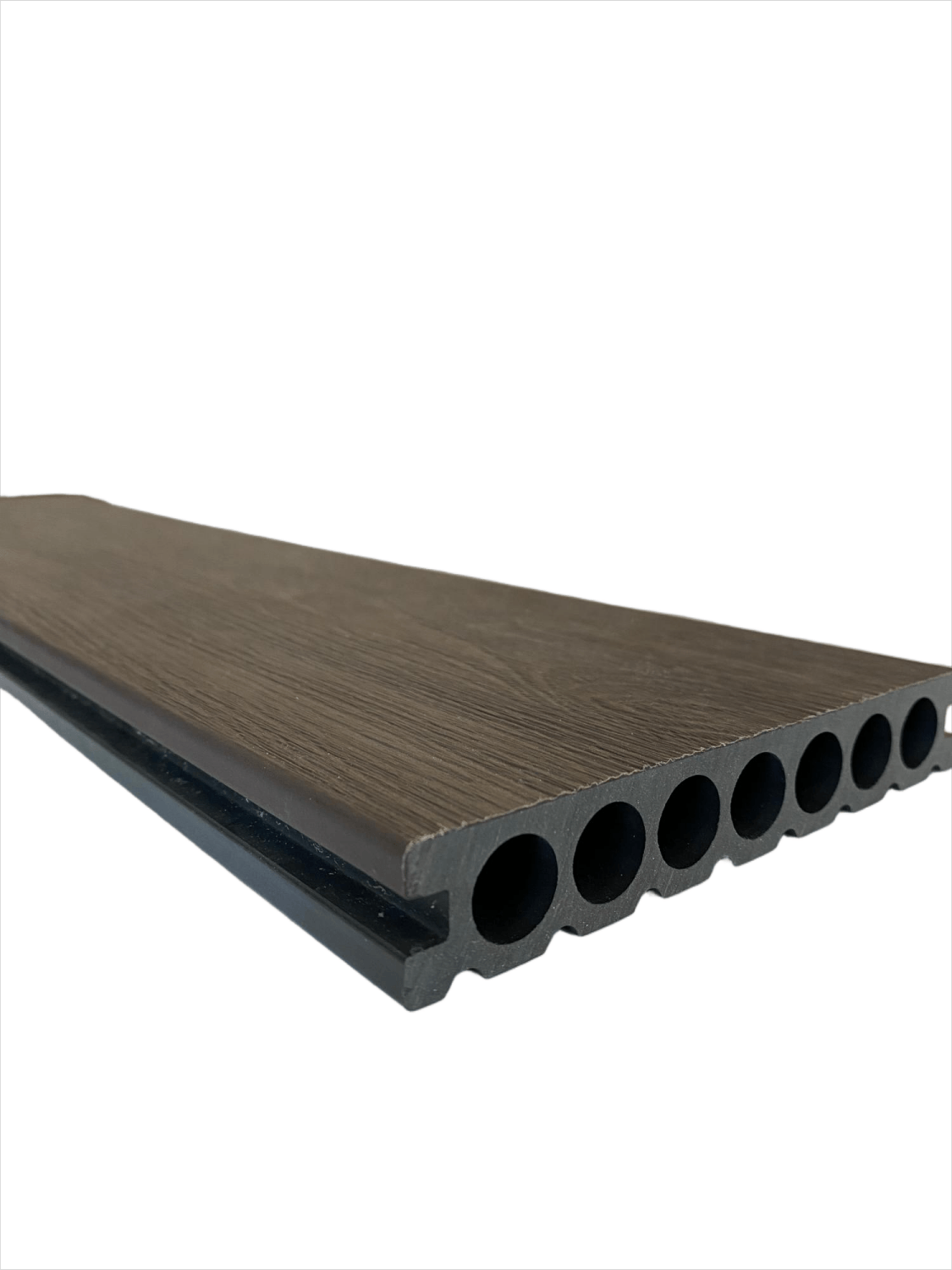
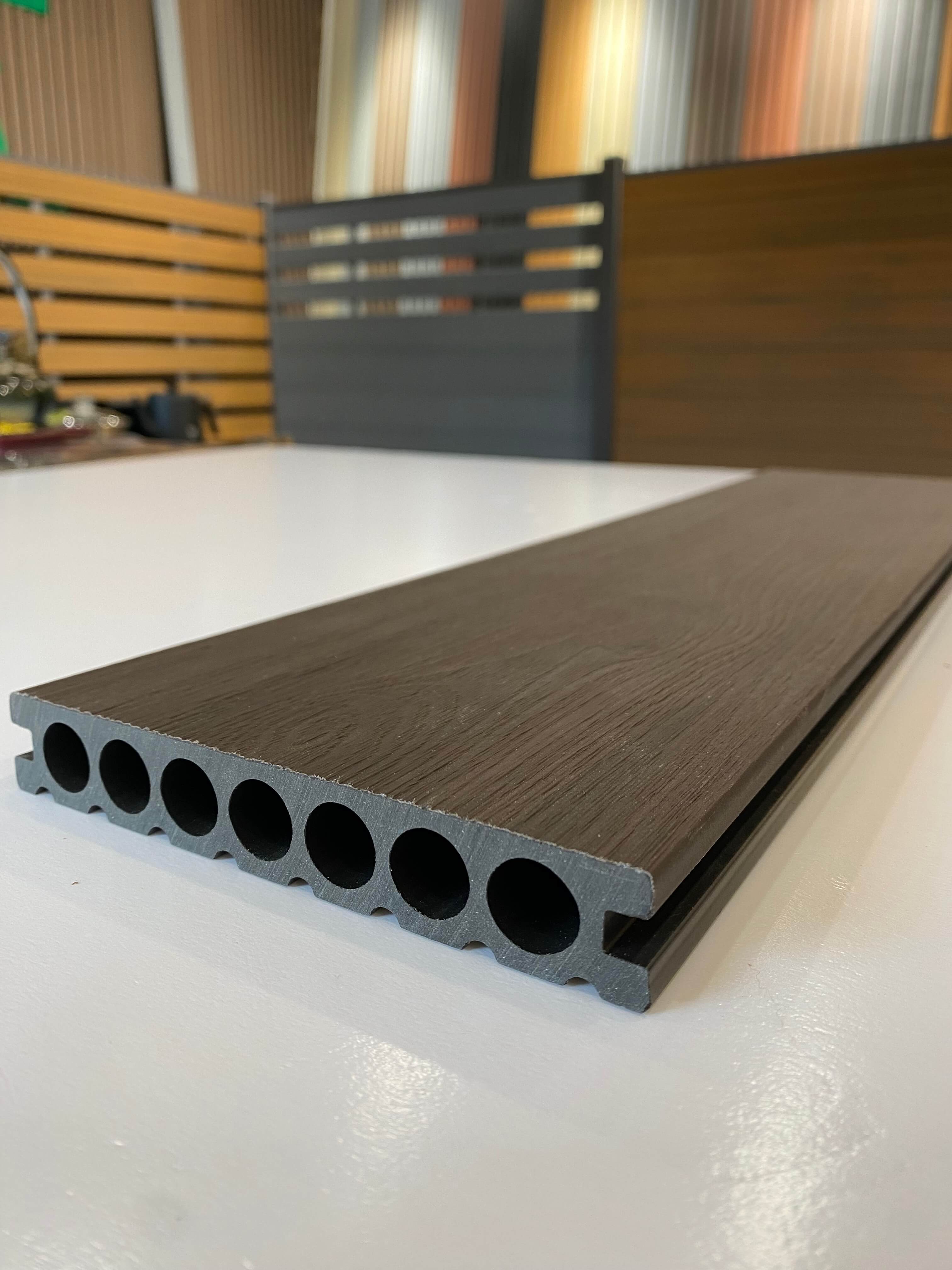
Lightweight round hole decking is a type of Wood-Plastic Composite (WPC) flooring designed specifically for outdoor use. The “round hole” refers to the circular perforations in each decking board, which serve multiple purposes. These holes reduce the overall weight of the material while improving drainage and ventilation. The lightweight nature makes installation easier and reduces stress on supporting structures, while the round holes enhance the deck’s performance in wet conditions by preventing water accumulation.
This type of decking is manufactured using a blend of wood fibers and thermoplastics, typically recycled materials. The combination creates a product that is resistant to rot, insects, and UV damage while maintaining a natural wood appearance. The manufacturing process involves extrusion, where the material is heated and forced through a die to create the desired profile with the characteristic round holes.
Key Benefits of Round Hole Decking
Lightweight round hole decking offers several advantages over traditional decking materials and even other types of WPC decking:
- Enhanced Drainage: The round holes allow water to pass through easily, preventing puddles and reducing slip hazards.
- Improved Ventilation: Air circulation beneath the decking helps prevent moisture buildup, which can lead to mold and mildew.
- Reduced Weight: The perforated design makes the decking significantly lighter, simplifying transportation and installation.
- Cost-Effective: Less material is used in production, often resulting in lower costs without compromising quality.
- Eco-Friendly: Many manufacturers use recycled materials in production, making it a sustainable choice.
- Low Maintenance: Unlike natural wood, round hole decking doesn’t require staining, sealing, or painting.
- Durability: Resistant to rot, insects, and fading, it offers long-lasting performance in various weather conditions.
Applications of Lightweight Round Hole Decking
The versatility of round hole decking makes it suitable for a wide range of outdoor applications:
Residential Projects
For homeowners, round hole decking is ideal for creating beautiful, functional outdoor living spaces. It’s perfect for patios, balconies, and pool decks where water drainage is essential. The lightweight nature makes it a great choice for elevated decks or rooftop terraces where weight considerations are crucial. The natural wood appearance enhances the aesthetic appeal of any backyard or garden area.
Commercial Applications
Businesses can benefit from round hole decking in various ways. Restaurants and cafes can create attractive outdoor seating areas that are easy to clean and maintain. Hotels and resorts can use it for poolside walkways and beach access paths. The durability and slip-resistant properties make it suitable for high-traffic areas like public parks and recreational facilities.
Marine and Waterfront Projects
The excellent drainage and anti-slip properties of round hole decking make it particularly well-suited for marine applications. It’s an excellent choice for dock walkways, boat decks, and waterside promenades. The material’s resistance to saltwater corrosion ensures long-lasting performance in coastal environments.
Choosing the Right Round Hole Decking
When selecting lightweight round hole decking for your project, several factors should be considered to ensure you get the best product for your needs:
| Factor | Consideration |
|---|---|
| Material Composition | Look for a high percentage of recycled content and quality wood fibers for better performance. |
| Hole Size and Pattern | Consider the drainage needs of your project and choose an appropriate hole size and spacing. |
| Color Options | Select from a range of natural wood tones or modern colors to match your design aesthetic. |
| Certifications | Look for products with quality certifications like ISO 9001 and environmental certifications. |
| Warranty | A longer warranty period indicates the manufacturer’s confidence in product durability. |
Installation Guide for Round Hole Decking
Proper installation is crucial for the performance and longevity of your round hole decking. While it’s recommended to hire professionals for large projects, here’s a general overview of the installation process:
1. Site Preparation
Ensure the installation area is level and free of debris. For ground-level installations, consider using a weed barrier fabric and a gravel base for proper drainage.
2. Frame Construction
Build a sturdy frame using pressure-treated lumber or aluminum. The joist spacing should typically be 12-16 inches on center, depending on the decking manufacturer’s recommendations.
3. Decking Placement
Start laying the decking boards, ensuring the round holes align for optimal drainage. Use hidden fasteners or corrosion-resistant screws to secure the boards to the frame.
4. Edge Treatment
Install fascia boards or trim pieces to cover the exposed ends of the decking boards for a finished look.
5. Finishing Touches
Add any desired railings, lighting, or other accessories to complete your outdoor space.
FAQ
What makes lightweight round hole decking different from solid decking?
Lightweight round hole decking features circular perforations that reduce weight, improve drainage, and enhance ventilation compared to solid decking boards. This design makes it particularly suitable for wet areas and elevated structures while maintaining strength and durability.
How do I clean and maintain round hole decking?
Regular maintenance is simple: sweep away debris and wash with mild soap and water as needed. For tougher stains, a soft-bristle brush can be used. Unlike wood, round hole decking doesn’t require staining, sealing, or painting, making it virtually maintenance-free.
Is round hole decking slip-resistant?
Yes, most high-quality round hole decking is designed with slip resistance in mind. The texture of the material combined with the drainage provided by the holes helps prevent water accumulation, reducing slip hazards even when wet.
Can round hole decking be used around swimming pools?
Absolutely. The excellent drainage properties of round hole decking make it an ideal choice for pool decks. It prevents puddles, reduces slip risks, and dries quickly after rain or splashes.
Summary
Lightweight round hole decking represents a significant advancement in outdoor flooring technology. By combining the natural beauty of wood with the durability of plastic, it offers a sustainable, low-maintenance solution for a wide range of applications. Whether you’re creating a cozy backyard patio, a commercial outdoor seating area, or a marine walkway, round hole decking provides the performance and aesthetic appeal you need. With proper selection and installation, this innovative material can transform any outdoor space into a functional, beautiful, and long-lasting environment.