
In the realm of outdoor landscape engineering, the choice of materials significantly impacts project durability, maintenance requirements, and overall aesthetic appeal. Wood-Plastic Composite (WPC) materials have emerged as a revolutionary solution, combining the natural beauty of wood with the superior performance characteristics of plastics. This comprehensive guide explores the applications, advantages, and selection criteria for WPC materials in various outdoor settings, with a special focus on seaside projects, pool areas, and villa courtyards.
Understanding WPC Materials: Composition and Benefits
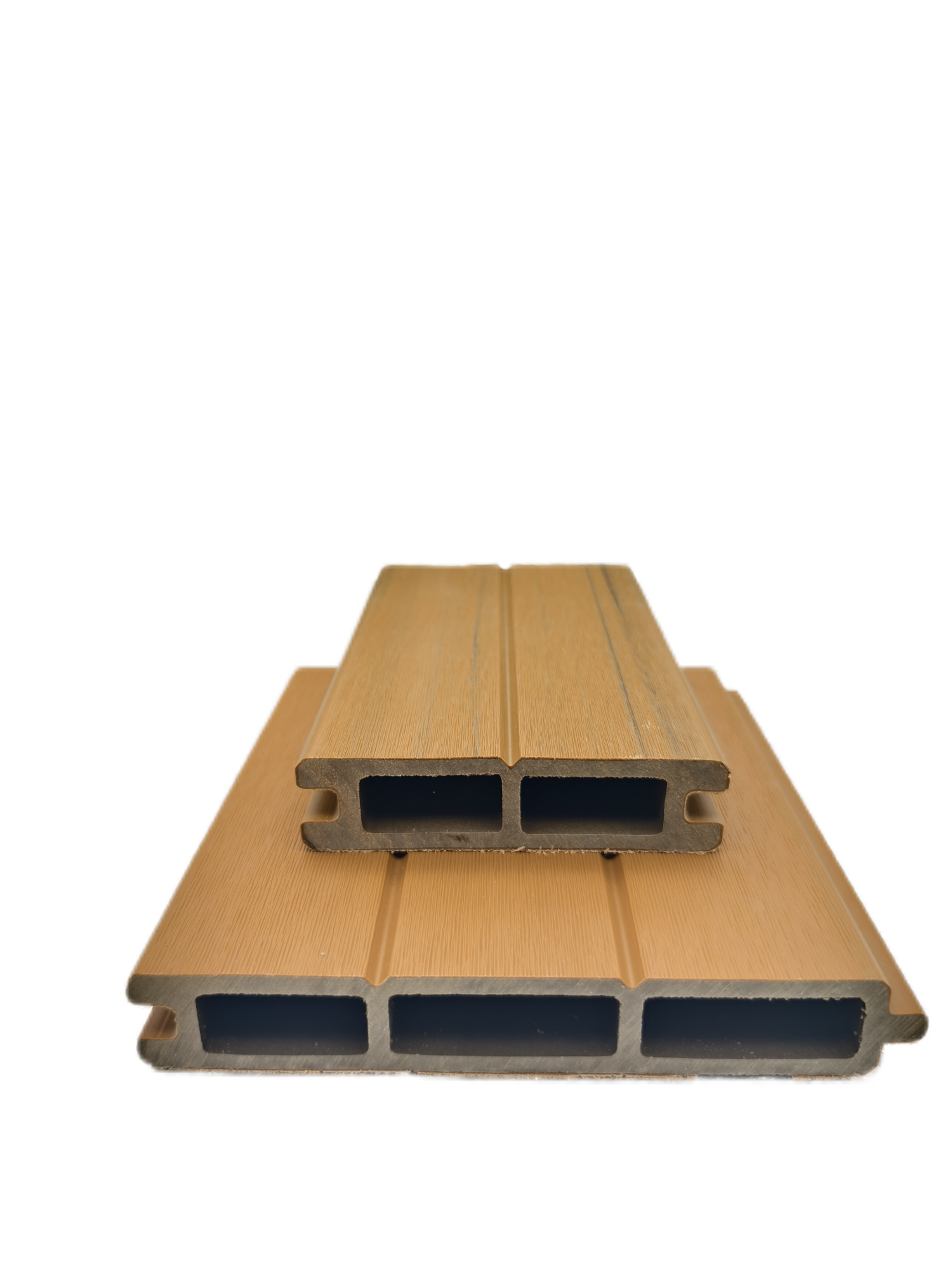
Wood-Plastic Composites are engineered by blending wood fibers or flour with thermoplastics (typically polyethylene, polypropylene, or PVC) and various additives. This combination results in materials that inherit wood’s workability and aesthetic while gaining plastic’s resistance to moisture, insects, and decay. The production process involves extrusion or injection molding, creating profiles with consistent quality and performance characteristics.
The primary advantages of WPC materials include:
- Weather Resistance: Unlike natural wood, WPC doesn’t warp, crack, or rot when exposed to moisture, making it ideal for humid environments and seaside applications.
- Low Maintenance: WPC requires no staining, sealing, or painting. Simple cleaning with soap and water maintains its appearance.
- Durability: The plastic component enhances impact resistance and extends the material’s lifespan compared to traditional wood.
- Eco-Friendly: Many WPC products incorporate recycled plastics and wood waste, reducing environmental impact.
- Aesthetic Versatility: Available in various colors and textures, WPC can mimic natural wood grains or offer contemporary solid colors.
WPC Applications in Seaside Projects
Seaside environments present unique challenges for building materials, including constant exposure to saltwater, high humidity, and intense UV radiation. WPC materials excel in these conditions due to their inherent resistance to corrosion, moisture, and fading.
For seaside projects, the choice of WPC formulation is crucial. Look for products specifically engineered with:
- Enhanced UV Stabilizers: To prevent color fading and material degradation from prolonged sun exposure.
- Corrosion-Resistant Fasteners: Stainless steel or coated screws that won’t rust in saltwater environments.
- Proper Drainage Design: Profiles with built-in drainage channels to prevent water accumulation and promote quick drying.
Common seaside applications include boardwalks, marina docks, beachfront pavilions, and coastal residential decks. The ability to withstand harsh marine conditions while maintaining aesthetic appeal makes WPC an ideal choice for these demanding environments.
Selecting WPC for Pool Areas
Poolside environments require materials that can withstand constant water exposure, chlorine, and varying temperatures while providing a safe, non-slip surface. WPC decking meets these requirements exceptionally well.
When choosing WPC for pool areas, consider:
- Slip Resistance: Opt for textures or patterns that provide adequate traction, even when wet.
- Heat Resistance: Some WPC formulations can become hot under direct sunlight. Look for products with heat-reflective properties or lighter colors that absorb less heat.
- Chemical Resistance: Ensure the material can withstand occasional exposure to pool chemicals without degrading.
- Drainage: Proper spacing between boards or profiles with built-in drainage help prevent water accumulation.
Round-hole WPC decking is particularly popular for pool areas due to its superior drainage capabilities and enhanced slip resistance compared to solid or square-hole profiles.
WPC Solutions for Villa Courtyards
Villa courtyards serve as private outdoor living spaces where aesthetics and functionality converge. WPC materials offer an attractive, durable solution that enhances the property’s value while requiring minimal upkeep.
For villa courtyard applications, consider these WPC options:
- Light Luxury Co-Extruded Series: These premium profiles feature a durable cap layer that provides enhanced resistance to scratches, stains, and fading. Ideal for high-end residential projects.
- Natural Classic Series: Offering a more traditional wood appearance, these profiles provide warmth and character while delivering modern WPC performance benefits.
- Square Hole Decking: A cost-effective option that provides excellent value for large courtyard areas. The square holes reduce material weight while maintaining structural integrity.
In addition to decking, WPC wall panels and fences can create cohesive design themes throughout the courtyard. These products offer the same durability and low maintenance as WPC decking while providing privacy and defining outdoor spaces.
| WPC Product Type | Best Applications | Key Advantages |
|---|---|---|
| Square Hole Decking | Courtyards, patios, general outdoor areas | Cost-effective, lightweight, variety of textures |
| Round Hole Decking | Pool areas, boardwalks, wet environments | Superior drainage, enhanced slip resistance |
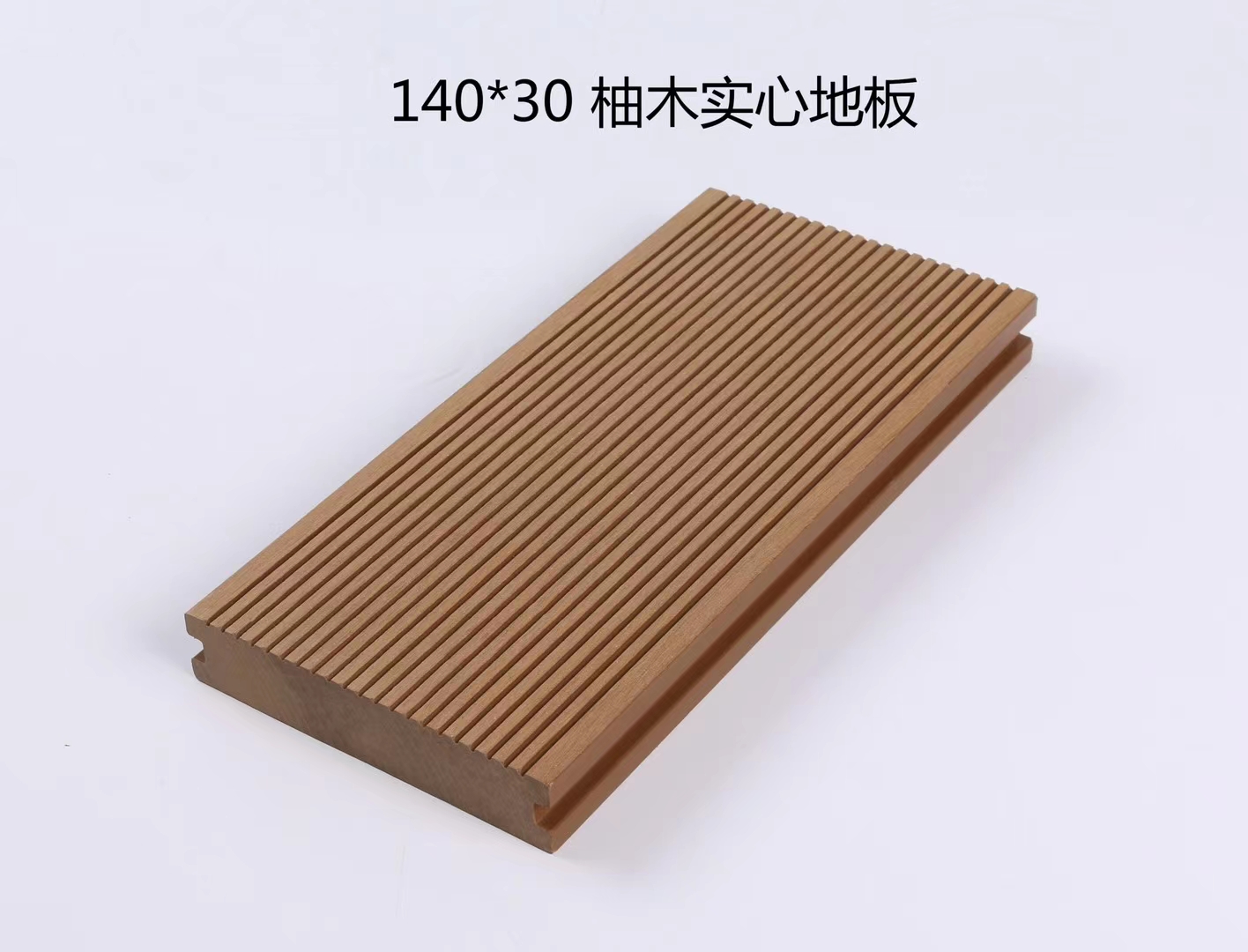
| Solid Decking | High-traffic areas, commercial projects | Maximum strength, minimal deformation |
| Wall Panels | Exterior cladding, privacy screens | Weather-resistant, low maintenance, versatile designs |
| Fence Systems | Boundary definition, security, aesthetic enhancement | Durable, customizable, rot-resistant |
Installation Best Practices for WPC Materials
Proper installation is crucial to maximize the performance and lifespan of WPC materials. Follow these guidelines for optimal results:
- Substructure Preparation: Use pressure-treated wood or aluminum frames designed for WPC decking. Ensure proper spacing between joists (typically 30-40cm) to allow for air circulation and drainage.
- Fastening Methods: Use corrosion-resistant screws specifically designed for WPC. Pre-drill holes to prevent splitting, especially near board ends.
- Spacing: Maintain consistent gaps between boards (5-10mm) to accommodate thermal expansion and contraction. Use spacing tools for uniformity.
- Edge Treatments: Install fascia boards or trim pieces to create clean, finished edges and protect board ends from moisture ingress.
- Drainage Considerations: Ensure adequate slope (at least 2% grade) for proper water runoff. Use specialized drainage accessories if needed.
For complex installations or large projects, consider hiring certified WPC installers who have experience with the specific product you’ve chosen. Proper installation techniques vary slightly between manufacturers and product lines.
FAQ
What makes WPC materials suitable for seaside projects?
WPC materials are ideal for seaside applications due to their exceptional resistance to moisture, saltwater corrosion, and UV radiation. Unlike natural wood, WPC doesn’t rot, warp, or require frequent maintenance in harsh marine environments. The plastic component provides a protective barrier against saltwater, while UV stabilizers prevent color fading from sun exposure.
How does WPC decking compare to traditional wood for pool areas?
WPC decking offers several advantages over traditional wood for pool environments: 1) Superior slip resistance when wet, 2) Resistance to chlorine and pool chemicals, 3) No risk of splintering, which could injure bare feet, 4) Better heat reflection properties (depending on color choice), and 5) Minimal maintenance requirements compared to regular sealing or staining needed for wood.
What maintenance does WPC decking require for villa courtyards?
WPC decking requires minimal maintenance for villa courtyards. Regular cleaning with mild soap and water is typically sufficient. For stubborn stains, a soft-bristle brush can be used. Unlike wood, WPC doesn’t need sealing, staining, or painting. Avoid using abrasive cleaners or pressure washers set too high, as these could damage the surface.
How long does WPC decking typically last in outdoor applications?
The lifespan of WPC decking varies based on product quality, installation methods, and environmental conditions. High-quality WPC products from reputable manufacturers like Linyi Xuancheng New Materials Co., Ltd. typically last 25-30 years or more in residential applications when properly installed and maintained. Commercial installations may have slightly shorter lifespans due to higher traffic.
Can WPC materials be used for both horizontal and vertical applications?
Yes, WPC materials are versatile enough for both horizontal (decking, flooring) and vertical (wall cladding, fencing) applications. The same material properties that make WPC excellent for decking—durability, weather resistance, and low maintenance—also apply to vertical installations. Specialized profiles are available for different applications to ensure optimal performance and aesthetics.
Summary
WPC materials represent a transformative solution for outdoor landscape engineering, offering unparalleled durability, low maintenance, and aesthetic versatility. From challenging seaside projects to high-traffic pool areas and elegant villa courtyards, WPC provides reliable performance across diverse applications. The ability to mimic natural wood while eliminating its drawbacks makes WPC an increasingly popular choice for discerning property owners and professional contractors worldwide.
When selecting WPC products, consider the specific demands of your project environment. Seaside applications require enhanced UV protection and corrosion resistance, while pool areas benefit from superior slip resistance and chemical tolerance. Villa courtyards offer more flexibility in aesthetic choices, with options ranging from traditional wood looks to contemporary designs.
Linyi Xuancheng New Materials Co., Ltd. stands out as a leading manufacturer of premium WPC materials, offering a comprehensive range of products engineered for various outdoor applications. With advanced production facilities, stringent quality control, and a commitment to innovation, the company delivers WPC solutions that meet the highest international standards for performance and sustainability.