
When selecting building materials for outdoor projects, durability and maintenance requirements are critical considerations. Wood-Plastic Composite (WPC) materials have emerged as a superior alternative to traditional wood, offering exceptional performance in various environmental conditions. This comprehensive guide explores the key aspects of WPC building materials, including maintenance requirements, waterproof capabilities, UV resistance, and comparisons with solid wood for outdoor applications.
Understanding WPC Building Materials
Wood-Plastic Composites (WPC) represent an innovative class of materials that combine the natural appearance of wood with the durability of synthetic polymers. At Linyi Xuancheng New Materials, we specialize in manufacturing high-quality WPC products through advanced production processes that ensure consistent quality and performance. Our state-of-the-art facility in Linyi, China, spans over 100 acres and features 40 extrusion lines, 20 co-extrusion lines, and comprehensive supporting equipment for granulation, crushing, sanding, and laser marking.
The manufacturing process begins with carefully selected raw materials that include recycled wood fibers and high-grade polymers. These components are combined using our proprietary formula that enhances the material’s structural integrity while maintaining its natural wood appearance. The mixture is then processed through our advanced extrusion equipment, which shapes the material into various profiles with precise dimensions and surface textures.
Our commitment to quality has earned us numerous certifications including ISO 9001 and CE certification, along with prestigious awards such as “China Green Environmental Protection Product” and “China Quality Demonstration Enterprise.” These accolades reflect our dedication to producing WPC materials that meet the highest international standards for performance and environmental sustainability.
WPC Flooring Maintenance: What You Need to Know
One of the most significant advantages of WPC flooring is its low maintenance requirements compared to traditional wood. While natural wood requires regular sealing, staining, and protection from pests, WPC flooring maintains its appearance with minimal upkeep. The polymer component in WPC creates a protective barrier that prevents moisture penetration, rot, and insect damage.
For routine maintenance, simply sweep or hose down your WPC flooring to remove dirt and debris. For more thorough cleaning, use a mild detergent solution with a soft-bristle brush to gently scrub the surface. Avoid using abrasive cleaners or pressure washers with excessive force, as these could damage the surface finish over time.
Unlike wood, WPC flooring doesn’t require periodic sealing or staining. The color and finish are integrated throughout the material, so scratches and wear are less noticeable. This makes WPC an ideal choice for high-traffic areas where maintenance time and costs need to be minimized.
In coastal or humid environments where salt air or moisture might affect other materials, WPC flooring maintains its structural integrity without special treatments. This resistance to environmental factors translates to long-term savings and consistent performance throughout the product’s lifespan.
Waterproof Performance of Outdoor WPC Flooring
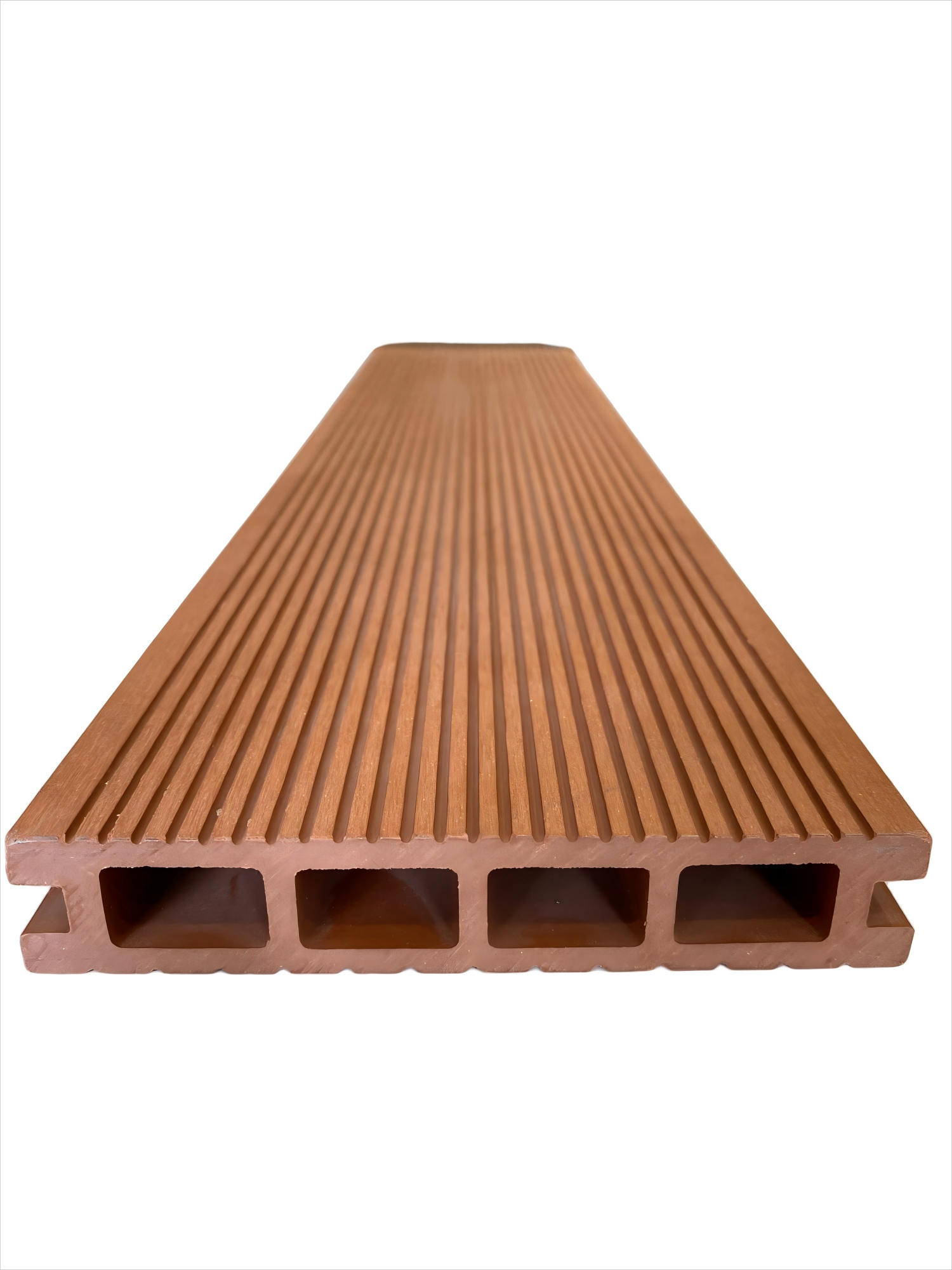
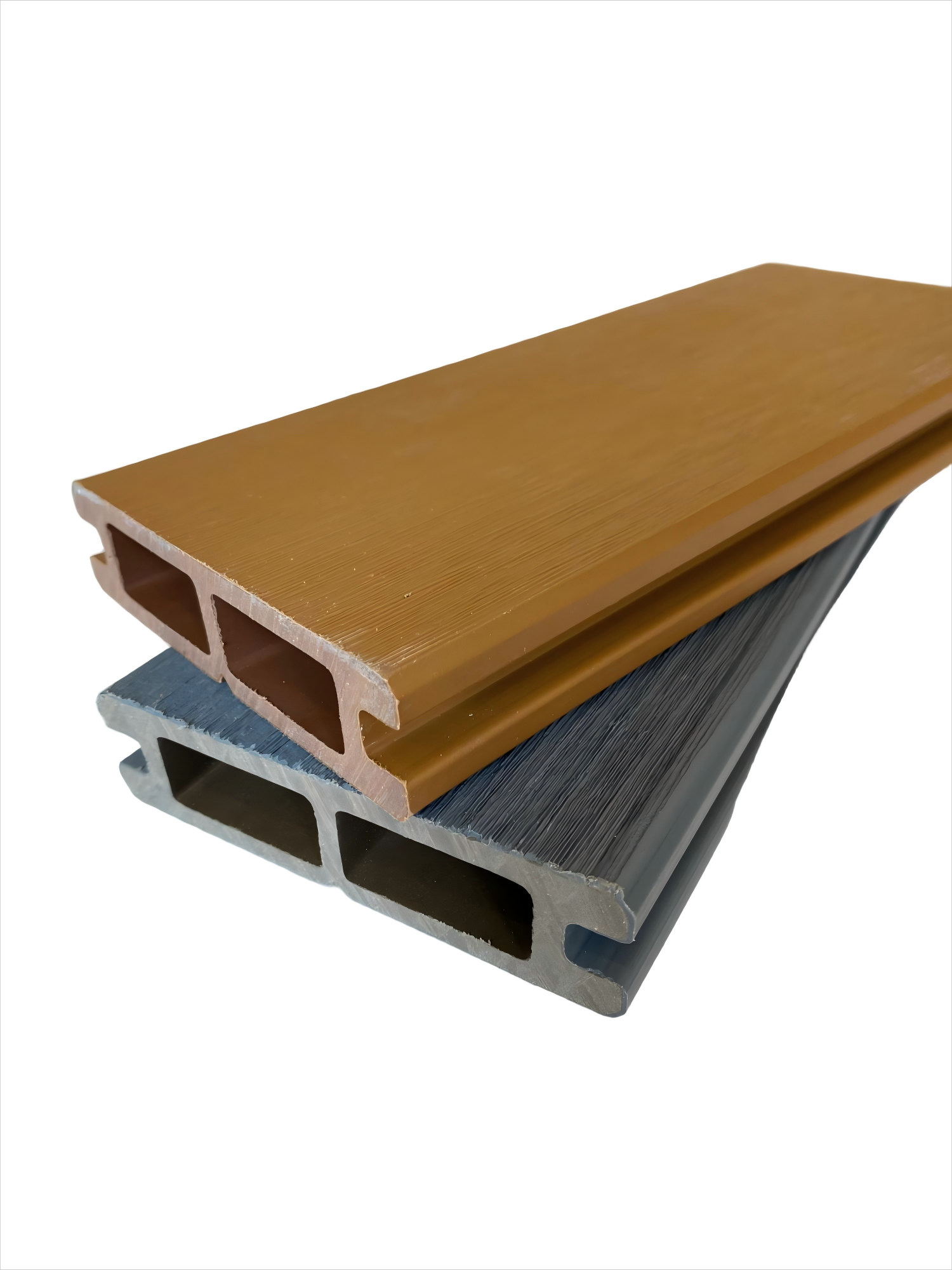
The waterproof nature of WPC flooring makes it an exceptional choice for outdoor applications where exposure to moisture is inevitable. Unlike natural wood that absorbs water, swells, and eventually rots, WPC materials are engineered to repel water completely. This waterproof characteristic extends to all our product lines, including square hole, round hole, and solid core flooring options.
Our square hole flooring, designed for cost-effective solutions, features drainage channels that prevent water accumulation while maintaining structural integrity. The round hole design incorporates circular hollow sections that enhance anti-bending performance while ensuring efficient water drainage, making it perfect for poolside applications and waterfront projects.
For heavy-duty applications requiring maximum durability, our solid core flooring offers superior load-bearing capacity and resistance to thermal expansion and contraction. This design prevents water penetration from all sides, making it suitable for high-traffic public spaces and industrial environments where moisture exposure is constant.
The waterproof properties of WPC flooring also prevent mold and mildew growth, which can be problematic with traditional wood materials. This feature is particularly valuable in humid climates or shaded areas where moisture tends to linger. By eliminating these concerns, WPC flooring provides a hygienic, long-lasting surface that maintains its appearance without the need for chemical treatments.
Coastal Application Considerations
For projects in coastal areas where salt spray and high humidity are common, WPC flooring offers distinct advantages over traditional materials. The polymer component in WPC creates a barrier that protects against salt corrosion, while the wood fibers provide natural resistance to UV degradation. This combination ensures that your flooring maintains its structural integrity and appearance even in harsh marine environments.
When selecting WPC products for coastal applications, consider our premium co-extruded options that feature an additional protective layer. This advanced manufacturing technique enhances the material’s resistance to salt, chemicals, and abrasion, extending its service life in demanding conditions. Our technical team can provide specific recommendations based on your project’s location and exposure levels.
UV Resistance of WPC Exterior Wall Panels
Prolonged exposure to sunlight can cause significant damage to traditional building materials, leading to fading, cracking, and structural degradation. WPC exterior wall panels from Linyi Xuancheng New Materials are engineered to withstand UV radiation while maintaining their aesthetic appeal and structural integrity over time.
The UV resistance of our WPC panels comes from specialized additives incorporated during the manufacturing process. These UV stabilizers absorb harmful ultraviolet rays, preventing them from penetrating the material and causing damage. Additionally, our co-extrusion technology applies a protective cap layer that provides an extra barrier against UV degradation, ensuring long-lasting color retention and surface durability.
Our product range includes several options specifically designed for exterior applications:
- 长城板 (Great Wall Panels): These unique凹凸 (concave-convex) grille panels offer excellent dimensional stability and impact resistance, making them ideal for外墙装饰 (exterior wall decoration),庭院围挡 (courtyard fencing), and门头饰面 (doorway cladding).
- 外墙板 (Exterior Wall Panels): Designed for easy installation and aesthetic appeal, these panels feature a simple拼接 (jointing) system that creates seamless surfaces. They’re perfect for自建房 (self-built housing),别墅外立面 (villa facades), and商铺门头改造 (storefront renovations).
- 围栏板 (Fence Panels): Available in全封闭 (fully enclosed),半封闭 (semi-enclosed), and全镂空 (fully hollow) styles, these versatile panels can create庭院护栏 (courtyard railings),景观围墙 (landscape walls),民宿隔断 (homestay partitions), and公园栅栏 (park fences).
All our exterior panels are manufactured using high-grade materials that resist fading, cracking, and warping from UV exposure. This durability translates to reduced maintenance costs and consistent appearance throughout the product’s lifespan, making WPC an cost-effective solution for exterior cladding projects.
WPC Boards vs. Solid Wood for Outdoor Use
When selecting materials for outdoor projects, the choice between WPC and solid wood involves considering several critical factors including durability, maintenance requirements, environmental impact, and long-term costs. WPC materials offer distinct advantages that make them superior to traditional wood for most outdoor applications.
Durability Comparison: Solid wood is susceptible to rot, insect damage, warping, and cracking when exposed to moisture and temperature fluctuations. WPC boards, by contrast, are engineered to resist these issues through their composite structure that combines wood fibers with durable polymers. This makes WPC more suitable for ground contact applications, wet environments, and areas with significant temperature variations.
Maintenance Requirements: Traditional wood requires regular sealing, staining, and protection from pests to maintain its appearance and structural integrity. WPC boards eliminate these maintenance tasks, requiring only occasional cleaning with soap and water. This low-maintenance characteristic translates to significant time and cost savings over the product’s lifespan.
| Feature | WPC Boards | Solid Wood |
|---|---|---|
| Water Resistance | Completely waterproof | Absorbs moisture, requires sealing |
| UV Resistance | Excellent with UV stabilizers | Fades and cracks without protection |
| Insect Resistance | Naturally resistant | Susceptible to termite damage |
| Maintenance | Minimal cleaning required | Regular sealing/staining needed |
| Lifespan | 25+ years with proper care | 10-15 years with maintenance |
Environmental Impact: While both materials have environmental considerations, WPC offers some advantages. Our production process utilizes recycled wood fibers and sustainable polymer components, reducing waste and conserving natural resources. Additionally, the long lifespan of WPC products means fewer replacements and less material consumption over time compared to traditional wood that requires more frequent maintenance and replacement.
Cost Analysis: Although WPC boards may have a higher initial cost than some wood options, their long-term value becomes apparent when considering maintenance savings and extended lifespan. When factoring in the costs of regular sealing, staining, and potential repairs for wood structures, WPC often proves to be the more cost-effective solution over its service life.
FAQ
How often does WPC flooring need maintenance?
WPC flooring requires minimal maintenance compared to traditional wood. We recommend regular sweeping or hosing down to remove debris, with occasional cleaning using mild detergent and water. Unlike wood, WPC doesn’t require sealing, staining, or chemical treatments, saving significant time and costs over its lifespan.
Is WPC flooring completely waterproof?
Yes, our WPC flooring is engineered to be completely waterproof. The composite structure prevents water absorption, making it ideal for wet environments, ground contact applications, and areas with frequent moisture exposure. This waterproof characteristic also prevents rot, mold, and mildew growth.
Can WPC products be used in coastal areas?
Absolutely. Our WPC materials are specifically designed to withstand harsh coastal environments. The polymer component provides excellent resistance to salt corrosion, while UV stabilizers protect against sun damage. For maximum durability in coastal applications, we recommend our co-extruded products with enhanced protective layers.
How long do WPC exterior panels last?
With proper installation and minimal maintenance, our WPC exterior panels can last 25 years or more. The actual lifespan depends on environmental conditions and application type, but our products consistently outperform traditional wood in durability tests, maintaining their appearance and structural integrity much longer.
Are WPC materials environmentally friendly?
Yes, our WPC materials incorporate sustainable practices in several ways. We use recycled wood fibers in our production process, reducing waste and conserving natural resources. The long lifespan of our products means fewer replacements over time, and our manufacturing facilities follow strict environmental standards to minimize ecological impact.
Summary
WPC building materials from Linyi Xuancheng New Materials represent a superior alternative to traditional wood for outdoor applications. Our comprehensive product range, including flooring, wall panels, and fencing systems, offers exceptional durability, low maintenance requirements, and environmental resistance that traditional materials cannot match. The waterproof nature of WPC makes it ideal for wet environments and coastal areas, while advanced UV protection ensures long-lasting color retention in sunny climates.
When comparing WPC to solid wood, the advantages become clear: WPC requires no sealing or staining, resists insects and rot, maintains its dimensions in temperature fluctuations, and offers a significantly longer service life. These benefits translate to reduced maintenance costs and greater value over time, making WPC the smart choice for discerning builders and property owners.
Our commitment to quality is reflected in our numerous certifications and awards, including ISO 9001, CE certification, and “China Green Environmental Protection Product” designation. With over 60,000 tons of annual production capacity and a dedicated research team continuously improving our formulations, we’re positioned to meet the growing global demand for sustainable, high-performance building materials.