
In today’s construction and decoration industry, the demand for eco-friendly, durable, and low-maintenance materials is growing rapidly. WPC (Wood Plastic Composite) wall panels have emerged as a popular choice for outdoor applications, offering a perfect blend of natural wood aesthetics and plastic’s superior performance. This comprehensive guide will explore the benefits, applications, and installation considerations of WPC wall panels, helping you make informed decisions for your next project.

Understanding WPC Wall Panels: Composition and Advantages
WPC wall panels are innovative building materials that combine wood fibers or flour with thermoplastic polymers (typically HDPE or PVC) through a specialized extrusion process. This unique composition gives WPC panels several advantages over traditional materials:
1. Eco-Friendly Nature: WPC panels are made from recycled wood and plastic materials, reducing waste and promoting sustainable construction practices. Linyi Xuancheng New Materials Co., Ltd., a leading manufacturer in this field, has obtained multiple certifications including “China Green Environmental Protection Product” and “High-tech Enterprise Certificate,” demonstrating their commitment to environmental protection.
2. Superior Durability: Unlike natural wood, WPC panels are resistant to rot, decay, and insect damage. They can withstand harsh weather conditions including heavy rain, strong sunlight, and extreme temperatures without warping, cracking, or fading. This makes them ideal for long-term outdoor use.
3. Waterproof Performance: The plastic component in WPC panels creates a completely waterproof barrier, preventing moisture penetration that could lead to structural damage. This property makes WPC panels particularly suitable for areas with high humidity or frequent rainfall.
4. Low Maintenance Requirements: WPC wall panels require minimal upkeep compared to traditional wood. They don’t need painting, staining, or sealing, and can be easily cleaned with water and mild detergent. This saves both time and money over the product’s lifespan.
5. Aesthetic Appeal: WPC panels come in various finishes that mimic natural wood grains and textures, providing a warm, organic look without the drawbacks of real wood. They can be designed to match different architectural styles and personal preferences.
6. Easy Installation: Most WPC wall panels feature interlocking designs or hidden fastening systems that simplify the installation process. This reduces labor costs and allows for quicker project completion.
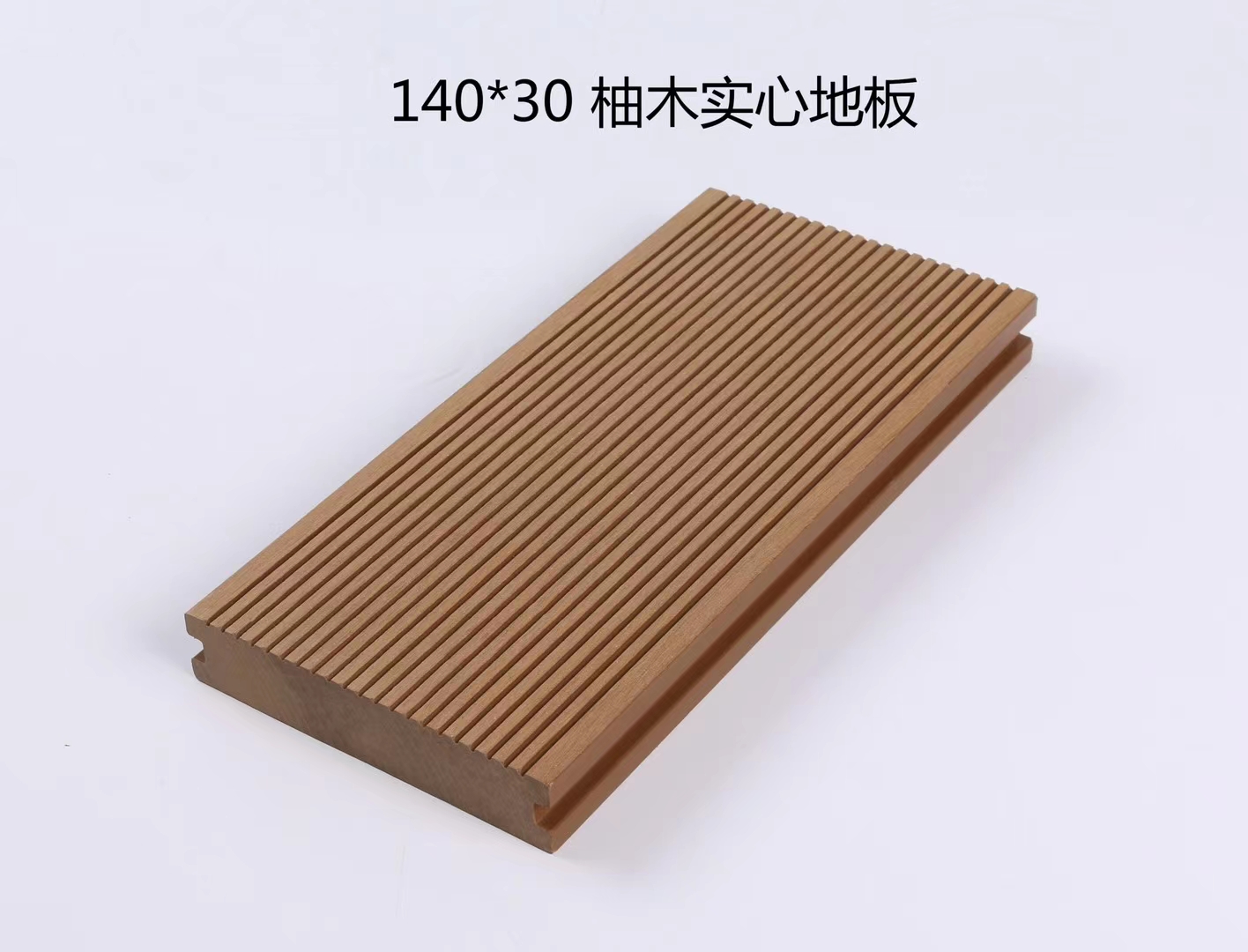
Types of WPC Wall Panels: Choosing the Right Solution
Linyi Xuancheng New Materials Co., Ltd. offers a diverse range of WPC wall panels to meet different project requirements. Understanding the characteristics of each type can help you select the most suitable product:
1. WPC Great Wall Panels (长城板)
These panels feature a unique concave-convex grille design that adds visual interest and dimensionality to walls. They’re versatile enough for various applications:
- Exterior wall decoration
- Courtyard fencing
- Door head decoration
- Ceiling installation
The distinctive pattern creates attractive shadow effects and can be arranged in different orientations for customized looks.
2. WPC Exterior Wall Panels (外墙板)
Designed specifically for building facades, these panels offer:
- Simple and elegant拼接 (jointing) for clean lines
- Moderate pricing for cost-effective solutions
- Excellent weather resistance for long-lasting performance
They’re commonly used for renovating self-built houses, villa exteriors, and commercial storefronts, providing an instant facelift with minimal effort.
3. WPC Fence Panels (围栏板)
These panels provide flexible fencing solutions with multiple style options:
- Fully enclosed for privacy and security
- Semi-enclosed for partial visibility
- Fully openwork for decorative purposes
Applications include garden fences, landscape walls, B&B partitions, and park barriers, offering both functionality and aesthetic appeal.
Technical Specifications and Quality Assurance
When selecting WPC wall panels, understanding their technical specifications is crucial for ensuring project success. Linyi Xuancheng New Materials Co., Ltd. maintains strict quality control throughout the production process:
| Parameter | Specification |
|---|---|
| Material Composition | Wood fiber + HDPE/PVC plastic |
| Water Absorption | < 2% (after 24-hour immersion) |
| Bending Strength | ≥ 22 MPa |
| Heat Aging Resistance | No cracking or deformation after 100 hours at 70°C |
| UV Resistance | Color fastness ≥ 4 (after 500-hour accelerated weathering) |
| Fire Rating | B1 (difficult to burn) |
The company’s commitment to quality is evidenced by its numerous certifications and honors, including ISO 9001 certification, EU CE certification, and recognition as a “China Quality Demonstration Enterprise.” Their production facility in Linyi, China, features over 40 extrusion lines and 20 co-extrusion lines, ensuring consistent product quality and large-scale production capacity.
Application Scenarios: Where to Use WPC Wall Panels
The versatility of WPC wall panels makes them suitable for a wide range of applications across different sectors:
1. Residential Projects
For homeowners seeking durable yet attractive exterior solutions, WPC panels offer:
- House facade renovation: Transform outdated exteriors with modern, low-maintenance panels
- Garden walls: Create beautiful, rot-resistant boundaries for outdoor living spaces
- Patio enclosures: Build weatherproof screens that enhance privacy and comfort
- Balcony cladding: Add style and protection to elevated outdoor areas
2. Commercial Developments
Businesses can benefit from WPC panels’ professional appearance and longevity:
- Shop fronts: Create eye-catching store exteriors that require minimal upkeep
- Office buildings: Enhance corporate images with sleek, modern wall treatments
- Hotel exteriors: Provide guests with attractive, welcoming first impressions
- Restaurant patios: Build durable, easy-to-clean outdoor dining areas
3. Public Infrastructure
Municipal and public projects can leverage WPC panels’ durability and cost-effectiveness:
- Park facilities: Construct long-lasting benches, kiosks, and information boards
- Transportation hubs: Create attractive, vandal-resistant wall treatments for stations
- Educational institutions: Build safe, low-maintenance exterior walls for schools
- Government buildings: Provide elegant, sustainable solutions for public offices
4. Landscape Architecture
Landscape designers appreciate WPC panels’ ability to blend functionality with aesthetics:
- Garden pavilions: Build beautiful, weatherproof structures for outdoor relaxation
- Water features: Create attractive, rot-resistant surrounds for ponds and fountains
- Vertical gardens: Install durable, easy-to-maintain living walls
- Theme parks: Construct themed elements that withstand heavy use and weather
Installation Guide: Best Practices for WPC Wall Panels
Proper installation is crucial for maximizing the performance and lifespan of WPC wall panels. Follow these guidelines for optimal results:
1. Surface Preparation
Ensure the installation surface is clean, dry, and level. Remove any debris, oil, or old paint that could affect adhesion. For concrete or masonry surfaces, repair any cracks or uneven areas.
2. Frame Construction
Build a sturdy frame using treated wood or metal studs spaced according to the panel manufacturer’s recommendations (typically 400-600mm centers). The frame should be perfectly vertical and plumb to prevent panel distortion.
3. Panel Installation
Start installation from the bottom up, leaving a 10-15mm expansion gap at the base to accommodate thermal movement. Use recommended fasteners (often stainless steel screws) to secure panels to the frame, ensuring proper spacing between panels for drainage and ventilation.
4. Finishing Details
Install trim pieces at corners, edges, and tops to create clean, finished looks while protecting panel ends from moisture ingress. Use silicone sealant in joints where water penetration could occur, following manufacturer guidelines.
5. Cleaning and Maintenance
After installation, clean panels with water and mild detergent to remove any construction residue. Regular cleaning (every 6-12 months) will help maintain their appearance. Avoid using abrasive cleaners or pressure washers that could damage the surface.
FAQ
What makes WPC wall panels more eco-friendly than traditional materials?
WPC wall panels are made from a combination of recycled wood fibers and plastic, reducing waste in landfills. They require no toxic treatments like paints or stains that can harm the environment, and their long lifespan means fewer replacements and less resource consumption over time.
How do WPC wall panels perform in extreme weather conditions?
Our WPC panels are engineered to withstand temperatures from -40°C to 60°C without warping, cracking, or fading. They’re UV-stabilized to maintain color fastness and contain additives that enhance their resistance to moisture, freeze-thaw cycles, and salt spray in coastal areas.
Can WPC wall panels be painted or stained?
While our panels come in attractive wood-like finishes that don’t require painting, they can be painted if desired using high-quality exterior acrylic paints. However, painting is generally unnecessary and may require more maintenance over time.
What is the expected lifespan of WPC wall panels?
With proper installation and minimal maintenance, our WPC wall panels can last 25 years or more in most outdoor environments. Their resistance to rot, insects, and weathering contributes to this exceptional longevity.
Are WPC wall panels fire-resistant?
Our panels have a B1 fire rating (difficult to burn) and won’t propagate flames. While no material is completely fireproof, WPC panels offer better fire performance than many traditional wood products.
How do WPC wall panels compare in cost to real wood?
While the initial cost of WPC panels may be slightly higher than some wood options, their total cost of ownership is typically lower when considering maintenance, replacement, and treatment costs over the product’s lifespan.
Can WPC wall panels be used for interior applications?
Absolutely! While designed with outdoor durability in mind, our panels’ attractive finishes and eco-friendly properties make them excellent choices for interior walls, especially in moisture-prone areas like bathrooms, basements, or laundry rooms.
What maintenance is required for WPC wall panels?
WPC panels require minimal maintenance – simply wash them annually with water and mild detergent to remove dirt and grime. Unlike wood, they don’t need sealing, staining, or painting, saving time and money over their lifespan.
Are WPC wall panels suitable for coastal installations?
Yes, our panels are specifically engineered for coastal environments. They contain UV stabilizers and corrosion inhibitors to withstand salt spray, high humidity, and intense sunlight without degrading.
How do I choose between different WPC wall panel styles?
Consider your project’s specific requirements: Great Wall panels for decorative applications, exterior panels for facades, and fence panels for boundaries. Our team can help you select the best style based on your design preferences, performance needs, and budget.
Summary
WPC wall panels represent a significant advancement in outdoor building materials, offering the beauty of natural wood with the performance benefits of modern composites. Linyi Xuancheng New Materials Co., Ltd. stands at the forefront of this innovation, providing high-quality, eco-friendly WPC panels that meet the demands of diverse projects worldwide.
With their exceptional durability, waterproof properties, and low maintenance requirements, WPC wall panels offer a cost-effective, sustainable solution for residential, commercial, and public applications. Whether you’re renovating a home exterior, designing a commercial space, or creating public infrastructure, our WPC panels provide the perfect combination of form and function.
Choose Linyi Xuancheng New Materials Co., Ltd. for your next project and experience the difference that quality WPC products can make. Our commitment to innovation, environmental responsibility, and customer satisfaction ensures you’ll receive materials that perform beautifully for decades to come.