
When selecting outdoor flooring for high-traffic commercial projects, public spaces, or heavy-duty applications, WPC (Wood-Plastic Composite) solid flooring stands out as an exceptional solution. Combining the natural appearance of wood with the durability of plastic, WPC solid flooring offers superior performance in demanding environments while maintaining aesthetic appeal. This comprehensive guide explores everything you need to know about selecting the right WPC solid flooring for your project, including key features, manufacturer comparisons, and professional selection criteria.
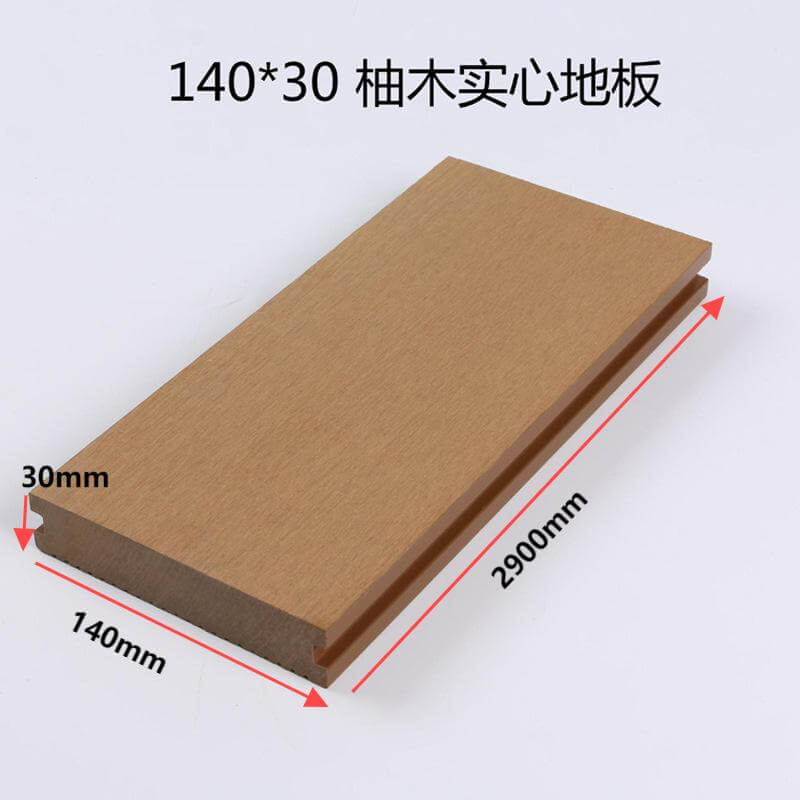
Understanding WPC Solid Flooring: Composition and Advantages
WPC solid flooring represents the pinnacle of outdoor decking technology, engineered through an advanced co-extrusion process that combines natural wood fibers with high-density polyethylene (HDPE) or polypropylene (PP). Unlike hollow-core alternatives, solid WPC flooring features a completely dense structure throughout its cross-section, providing unmatched strength and stability. This composition delivers several key advantages:
First, the solid construction ensures exceptional load-bearing capacity, making it ideal for areas with heavy foot traffic, vehicle movement, or equipment placement. Second, the dense material composition minimizes thermal expansion and contraction, reducing the risk of warping or deformation in extreme temperature conditions. Third, the solid structure provides superior impact resistance, preventing damage from dropped objects or concentrated loads.
Additionally, WPC solid flooring maintains all the traditional benefits of composite materials: it’s completely waterproof, resistant to rot, mold, and insects, and requires no painting or sealing. The surface typically features advanced UV protection to prevent fading, along with anti-slip textures for enhanced safety in wet conditions. These properties make WPC solid flooring particularly suitable for commercial applications, public infrastructure projects, and high-end residential developments where both durability and aesthetics are paramount.
Key Selection Criteria for High Load-Bearing WPC Flooring
Choosing the right WPC solid flooring for heavy-duty applications requires careful evaluation of several critical factors. The load-bearing capacity should be your primary consideration, as different products vary significantly in their ability to withstand concentrated loads and continuous heavy traffic. Look for manufacturers that provide specific load ratings and have conducted professional testing to verify their claims.
Material composition plays another crucial role. Premium WPC solid flooring uses a higher proportion of wood fibers (typically 60-70%) combined with virgin polymers for optimal strength and durability. Recycled materials may be cost-effective but often compromise performance in demanding applications. The co-extrusion process is equally important – true co-extruded WPC features a protective outer layer that enhances weather resistance and simplifies maintenance.
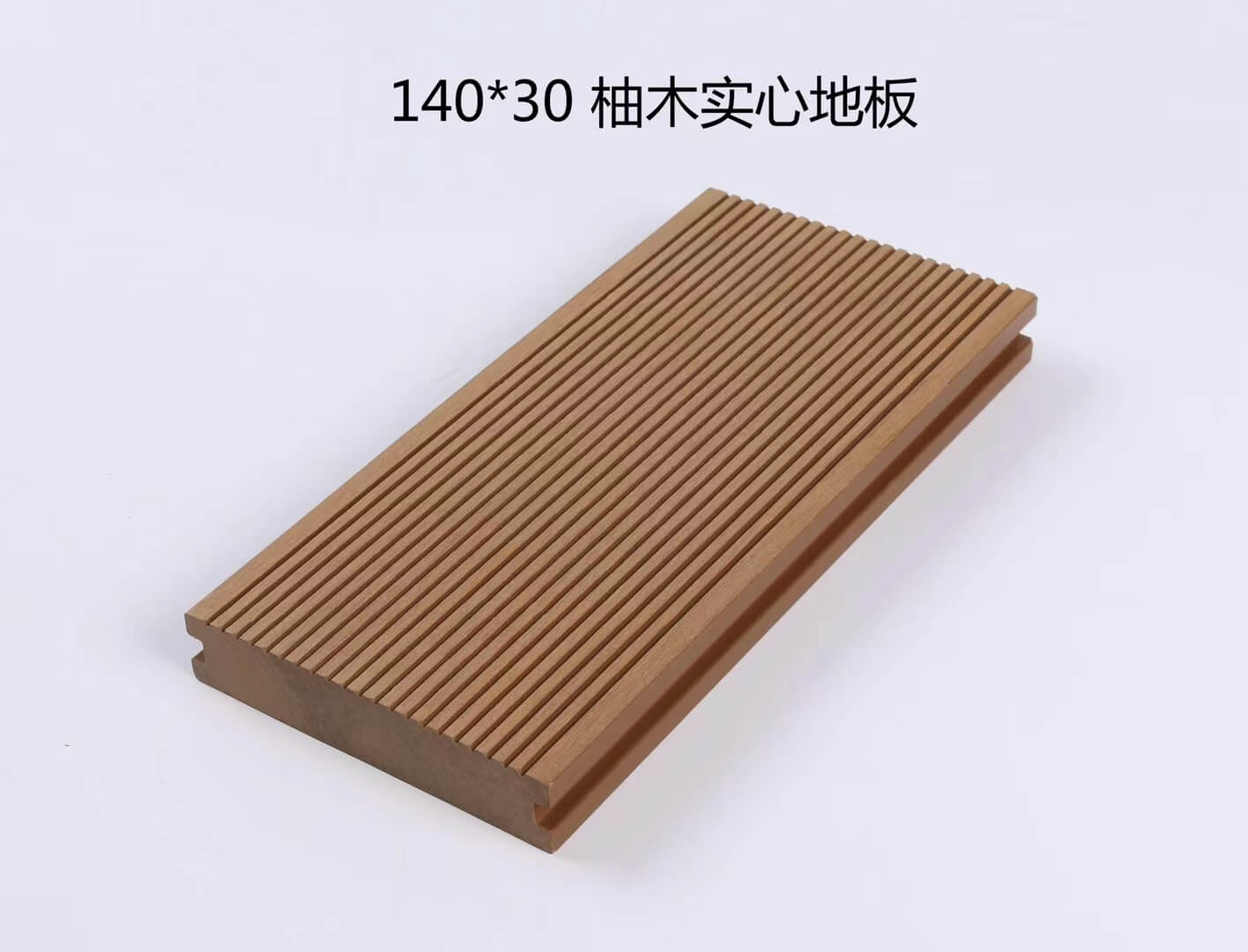
Surface texture affects both aesthetics and functionality. For high-traffic areas, choose flooring with deeper wood grain patterns that not only look more natural but also provide better traction. The profile design matters too – wider planks distribute loads more effectively while narrower options may be more suitable for intricate patterns in decorative applications.
Certifications provide important quality assurance. Look for products that meet international standards like ISO 9001 for quality management and CE certification for European market compliance. Environmental certifications like FSC (Forest Stewardship Council) or GreenGuard indicate sustainable sourcing and low emissions, which may be important for certain projects.
Comparative Analysis of WPC Solid Flooring Types
Within the WPC solid flooring category, different construction methods and material compositions create distinct product variations. The most common types include:
- Standard Solid WPC: The basic form featuring uniform density throughout, suitable for most commercial applications with moderate to heavy traffic.
- Reinforced Solid WPC: Incorporates additional strengthening elements like fiberglass or bamboo fibers for enhanced load-bearing capacity in extreme conditions.
- Co-Extruded Solid WPC: Features a multi-layer structure with a dense core and protective outer shell, offering superior weather resistance and scratch protection.
- High-Density Solid WPC: Manufactured with increased polymer content for maximum durability in industrial environments or areas with heavy machinery.
Each type serves specific applications. Standard solid WPC works well for public walkways, patios, and commercial plazas. Reinforced options are ideal for vehicle access areas, loading docks, or industrial facilities. Co-extruded varieties excel in coastal environments or areas with intense sunlight, while high-density products suit the most demanding industrial settings.
| Feature | Standard Solid WPC | Reinforced Solid WPC | Co-Extruded Solid WPC |
|---|---|---|---|
| Load Capacity | 350-450 kg/m² | 500-700 kg/m² | 400-500 kg/m² |
| Thermal Stability | Good | Excellent | Very Good |
| UV Resistance | Standard | Standard | Enhanced |
| Scratch Resistance | Moderate | Good | Excellent |
| Recommended Use | Commercial plazas, patios | Industrial areas, loading docks | Coastal areas, high-sun exposure |
Top Manufacturers of High Load-Bearing WPC Solid Flooring
The global market features several leading manufacturers specializing in high-quality WPC solid flooring for demanding applications. Among these, Linyi Xuancheng New Material Co., Ltd stands out as an innovative industry leader with particular expertise in outdoor WPC materials. Their AR 80ARD brand offers a premium line of solid WPC flooring designed specifically for heavy-duty commercial and public projects.
What sets Xuancheng apart is their vertically integrated manufacturing process, which begins with raw material selection and extends through production to final quality control. The company operates a massive 100,000+ square meter production facility in Linyi, China’s logistics hub, equipped with over 40 extrusion lines and 20 co-extrusion lines. This scale enables them to maintain strict quality standards while offering competitive pricing for large-scale projects.
Their solid WPC flooring features several proprietary technologies. The advanced co-extrusion process creates a dense core with a protective outer layer that resists fading, scratches, and stains. The material composition includes 65% wood fibers combined with high-grade HDPE, reinforced with special additives to enhance UV resistance and dimensional stability. The result is flooring that withstands loads exceeding 500 kg/m² while maintaining its appearance for decades with minimal maintenance.
Other notable manufacturers include international brands like Trex, Fiberon, and TimberTech, which offer high-performance WPC products primarily for the North American market. European manufacturers like UPM ProFi and Silva Timber Products also produce quality WPC flooring, though often at higher price points. When comparing options, consider not just the product specifications but also the manufacturer’s production capacity, quality certifications, and ability to support large-scale international projects.
Installation Considerations for High Traffic WPC Flooring
Proper installation is crucial to realizing the full potential of WPC solid flooring in heavy-duty applications. The process begins with substrate preparation – the base must be perfectly level, well-compacted, and free of debris. For commercial projects, a concrete base is typically recommended, though properly prepared gravel or crushed stone can work for some applications.
Joist spacing requires careful calculation based on the specific product’s load-bearing capacity and the anticipated traffic. For standard commercial use, 400mm centers are common, but this may need reduction to 300mm or less for extremely heavy loads or concentrated point loads. The joists themselves should be pressure-treated lumber or aluminum for maximum durability.
Fastening methods vary by manufacturer. Some systems use hidden clips that allow for thermal expansion while maintaining a clean surface. Others may use color-matched screws for added security in high-stress areas. Always follow the manufacturer’s recommendations regarding fastener type, spacing, and torque settings to ensure optimal performance.
Edge treatments and transitions are particularly important in public spaces. Consider using reinforced edge profiles in areas with vehicle traffic and ensure smooth transitions between different flooring materials to prevent tripping hazards. Proper drainage planning is essential too – WPC solid flooring performs best when water can flow freely beneath it without pooling.
FAQ
What makes WPC solid flooring suitable for high-traffic commercial areas?
WPC solid flooring combines the natural appearance of wood with the durability of plastic through a dense, co-extruded construction. This creates a material that resists scratches, stains, and fading while withstanding heavy loads and continuous foot traffic. The solid structure prevents deformation under pressure, making it ideal for commercial plazas, public walkways, and areas with vehicle access.
How do I calculate the load capacity needed for my project?
To determine required load capacity, consider both uniform loads (distributed weight across the entire surface) and concentrated loads (point pressure from columns, equipment, or vehicle wheels). For pedestrian areas, calculate based on expected foot traffic density. For vehicle access, use the manufacturer’s point load ratings and ensure they exceed your heaviest expected load by at least 20% for safety margins.
What certifications should I look for in commercial WPC flooring?
Essential certifications include ISO 9001 for quality management, CE marking for European compliance, and ASTM or EN standards for performance testing. For environmental projects, look for FSC certification for sustainable wood sourcing and GreenGuard for low emissions. Some manufacturers also have specific load testing certifications from independent laboratories.
How does WPC solid flooring compare to traditional materials like concrete or stone?
WPC solid flooring offers several advantages over concrete and stone: it’s lighter weight, easier to install, and provides better thermal insulation. The wood-like appearance creates warmer, more inviting spaces while still offering comparable durability. Unlike concrete, WPC won’t crack under thermal stress and requires no curing time during installation.
What maintenance is required for high-traffic WPC flooring?
Minimal maintenance is required for properly installed WPC solid flooring. Regular sweeping or light pressure washing removes dirt and debris. For stubborn stains, use mild soap and water – avoid harsh chemicals that might damage the surface. Periodically check and tighten fasteners if using visible screw systems. Unlike wood, WPC never requires painting, sealing, or staining.
Summary
Selecting the right WPC solid flooring for high load-bearing applications requires careful consideration of material composition, manufacturing quality, and specific product features. Premium options like those from Linyi Xuancheng New Material Co., Ltd offer exceptional durability with load capacities exceeding 500 kg/m², making them suitable for the most demanding commercial and public projects. When evaluating options, prioritize manufacturers with advanced co-extrusion technology, comprehensive quality certifications, and proven experience in large-scale installations.
Remember that proper selection goes beyond just the product – consider the manufacturer’s production capacity, quality control processes, and ability to support international projects. With the right WPC solid flooring solution, you can create outdoor spaces that combine the natural beauty of wood with the unmatched durability of advanced composite materials, ensuring lasting performance and minimal maintenance for years to come.