
When it comes to outdoor flooring, durability, eco-friendliness, and aesthetics are key considerations. WPC (Wood-Plastic Composite) solid flooring has emerged as a popular choice for homeowners, businesses, and municipal projects due to its unique combination of benefits. In this comprehensive guide, we will explore the features, advantages, applications, and installation of WPC solid flooring, helping you make an informed decision for your next outdoor project.
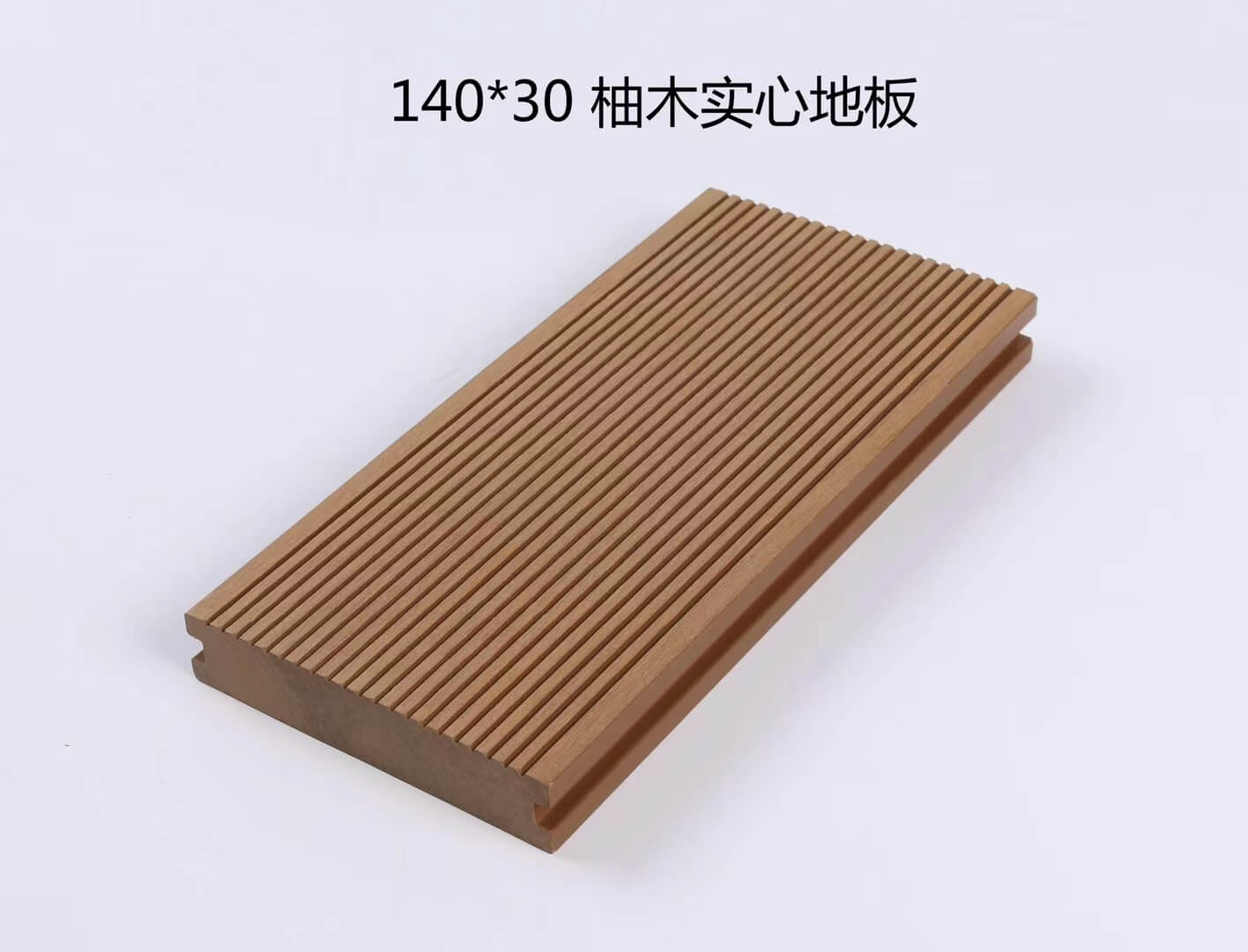
What is WPC Solid Flooring?
WPC solid flooring is a type of composite material made from a blend of wood fibers and thermoplastic polymers. This combination results in a product that offers the natural appearance of wood with the durability and low maintenance of plastic. Unlike traditional wood flooring, WPC solid flooring is resistant to moisture, rot, insects, and fading, making it an ideal choice for outdoor applications.
One of the key features of WPC solid flooring is its solid construction. Unlike hollow or perforated WPC flooring, solid WPC flooring is dense and robust, providing superior load-bearing capacity and resistance to deformation. This makes it suitable for high-traffic areas and projects that require extra strength, such as commercial plazas, public parks, and heavy-duty walkways.
Advantages of WPC Solid Flooring
WPC solid flooring offers a range of advantages that make it a preferred choice for outdoor flooring projects. Here are some of the key benefits:
1. Durability and Longevity
WPC solid flooring is designed to withstand the rigors of outdoor use. Its solid construction and high-density material ensure that it can handle heavy loads, foot traffic, and environmental factors without warping, cracking, or fading. This durability translates to a longer lifespan, reducing the need for frequent replacements and maintenance.
2. Eco-Friendly
As a composite material, WPC solid flooring is an eco-friendly alternative to traditional wood flooring. It utilizes wood fibers that would otherwise go to waste, reducing the demand for virgin timber. Additionally, the thermoplastic component can be made from recycled plastics, further minimizing its environmental impact. WPC solid flooring is also free from harmful chemicals like formaldehyde, making it safe for both humans and the environment.
3. Low Maintenance
One of the biggest advantages of WPC solid flooring is its low maintenance requirements. Unlike wood, which requires regular staining, sealing, and sanding, WPC solid flooring can be cleaned with simple soap and water. Its resistance to moisture and stains means that it won’t absorb spills or develop mold and mildew, reducing the need for intensive cleaning and upkeep.
4. Aesthetic Appeal
WPC solid flooring offers the natural beauty of wood with a wide range of colors and textures to choose from. Whether you prefer a classic wood grain finish or a modern solid color, there is a WPC solid flooring option to suit your style. Its consistent appearance and lack of knots or imperfections make it an attractive choice for both residential and commercial projects.
5. Versatility
WPC solid flooring is highly versatile and can be used in a variety of outdoor applications. From patios and decks to walkways and pool surrounds, its durability and aesthetic appeal make it suitable for any setting. Its solid construction also allows it to be used in areas with heavy foot traffic or vehicle traffic, such as driveways and parking lots.
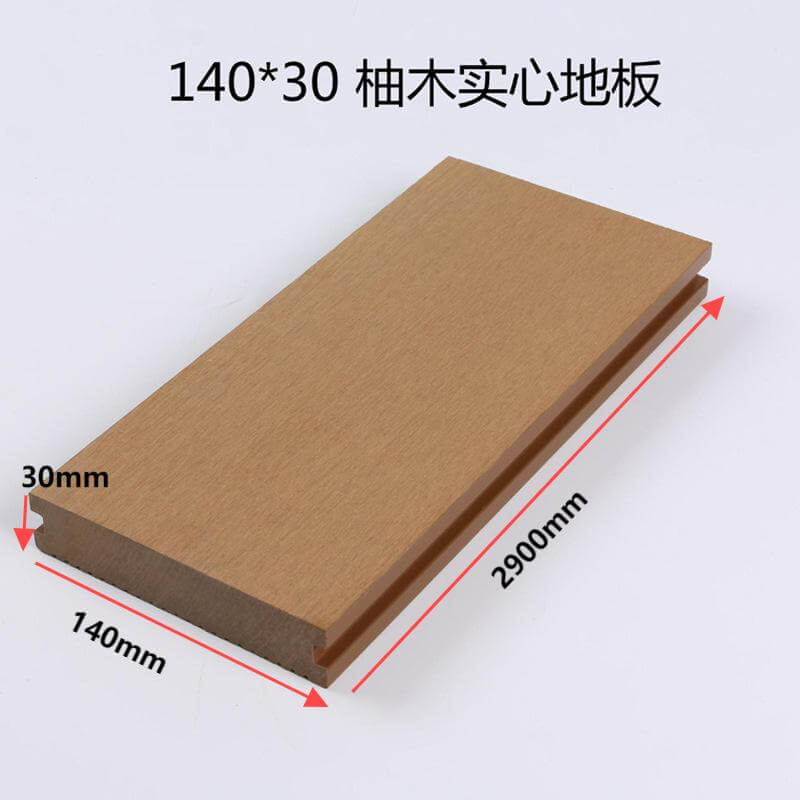
Applications of WPC Solid Flooring
WPC solid flooring is suitable for a wide range of outdoor applications, thanks to its durability, eco-friendliness, and aesthetic appeal. Here are some of the most common uses for WPC solid flooring:
1. Residential Projects
For homeowners, WPC solid flooring is an excellent choice for patios, decks, balconies, and walkways. Its low maintenance requirements and resistance to moisture make it ideal for areas that are exposed to the elements. Additionally, its natural wood appearance adds warmth and charm to any outdoor space, enhancing the overall aesthetic of the home.
2. Commercial Projects
In commercial settings, WPC solid flooring is often used in plazas, shopping centers, restaurants, and hotels. Its durability and ability to withstand heavy foot traffic make it a practical choice for high-traffic areas. Its aesthetic appeal also helps create a welcoming and inviting atmosphere for customers and visitors.
3. Municipal Projects
Municipal projects, such as parks, playgrounds, and public walkways, can also benefit from WPC solid flooring. Its resistance to moisture, rot, and insects makes it suitable for outdoor environments where traditional wood flooring may not hold up well. Additionally, its eco-friendly nature aligns with the sustainability goals of many municipalities.
4. Heavy-Duty Applications
For projects that require extra strength and load-bearing capacity, such as driveways, parking lots, and industrial walkways, WPC solid flooring is an ideal choice. Its solid construction and high-density material ensure that it can handle heavy vehicles and equipment without deforming or cracking.
| Parameter | Description |
|---|---|
| Material | Wood-Plastic Composite (WPC) |
| Construction | Solid |
| Durability | High resistance to moisture, rot, insects, and fading |
| Maintenance | Low; requires simple soap and water cleaning |
| Aesthetic Appeal | Natural wood appearance with a variety of colors and textures |
| Applications | Residential, commercial, municipal, and heavy-duty projects |
FAQ
What is the difference between WPC solid flooring and traditional wood flooring?
WPC solid flooring is made from a blend of wood fibers and thermoplastic polymers, offering the natural appearance of wood with the durability and low maintenance of plastic. Traditional wood flooring, on the other hand, is made entirely from wood and requires regular staining, sealing, and sanding to maintain its appearance and durability. WPC solid flooring is also more resistant to moisture, rot, insects, and fading, making it a better choice for outdoor use.
How long does WPC solid flooring last?
The lifespan of WPC solid flooring depends on various factors, such as the quality of the material, the installation method, and the level of maintenance. However, with proper installation and maintenance, WPC solid flooring can last for decades. Its resistance to environmental factors and heavy use ensures that it remains in good condition for an extended period.
Is WPC solid flooring eco-friendly?
Yes, WPC solid flooring is an eco-friendly choice for outdoor flooring. It utilizes wood fibers that would otherwise go to waste, reducing the demand for virgin timber. Additionally, the thermoplastic component can be made from recycled plastics, further minimizing its environmental impact. WPC solid flooring is also free from harmful chemicals like formaldehyde, making it safe for both humans and the environment.
Can WPC solid flooring be installed over existing concrete or wood surfaces?
Yes, WPC solid flooring can be installed over existing concrete or wood surfaces, provided that the surface is clean, level, and free from debris. However, it is important to use a suitable underlayment or adhesive to ensure proper adhesion and stability. Consult with a professional installer to determine the best installation method for your specific project.
Summary
WPC solid flooring is a durable, eco-friendly, and aesthetically appealing choice for outdoor flooring projects. Its solid construction and high-density material make it suitable for high-traffic areas and heavy-duty applications, while its natural wood appearance adds warmth and charm to any outdoor space. With low maintenance requirements and resistance to environmental factors, WPC solid flooring offers a long-lasting and cost-effective solution for residential, commercial, and municipal projects. Whether you are looking to enhance the beauty of your home or create a welcoming atmosphere for your business, WPC solid flooring is an excellent choice that delivers both style and substance.