
When it comes to outdoor fencing solutions, WPC (Wood-Plastic Composite) fence panels have emerged as a superior alternative to traditional wood and vinyl options. Combining the natural appearance of wood with the durability of plastic, WPC fence panels offer a perfect balance of aesthetics and functionality. However, with numerous suppliers and product variations in the market, selecting the right WPC fence panels for your project can be challenging. This comprehensive guide will walk you through everything you need to know about WPC fence panels, including their types, quality factors, and why Linyi Xuancheng New Materials stands out as a top supplier.
Understanding WPC Fence Panels
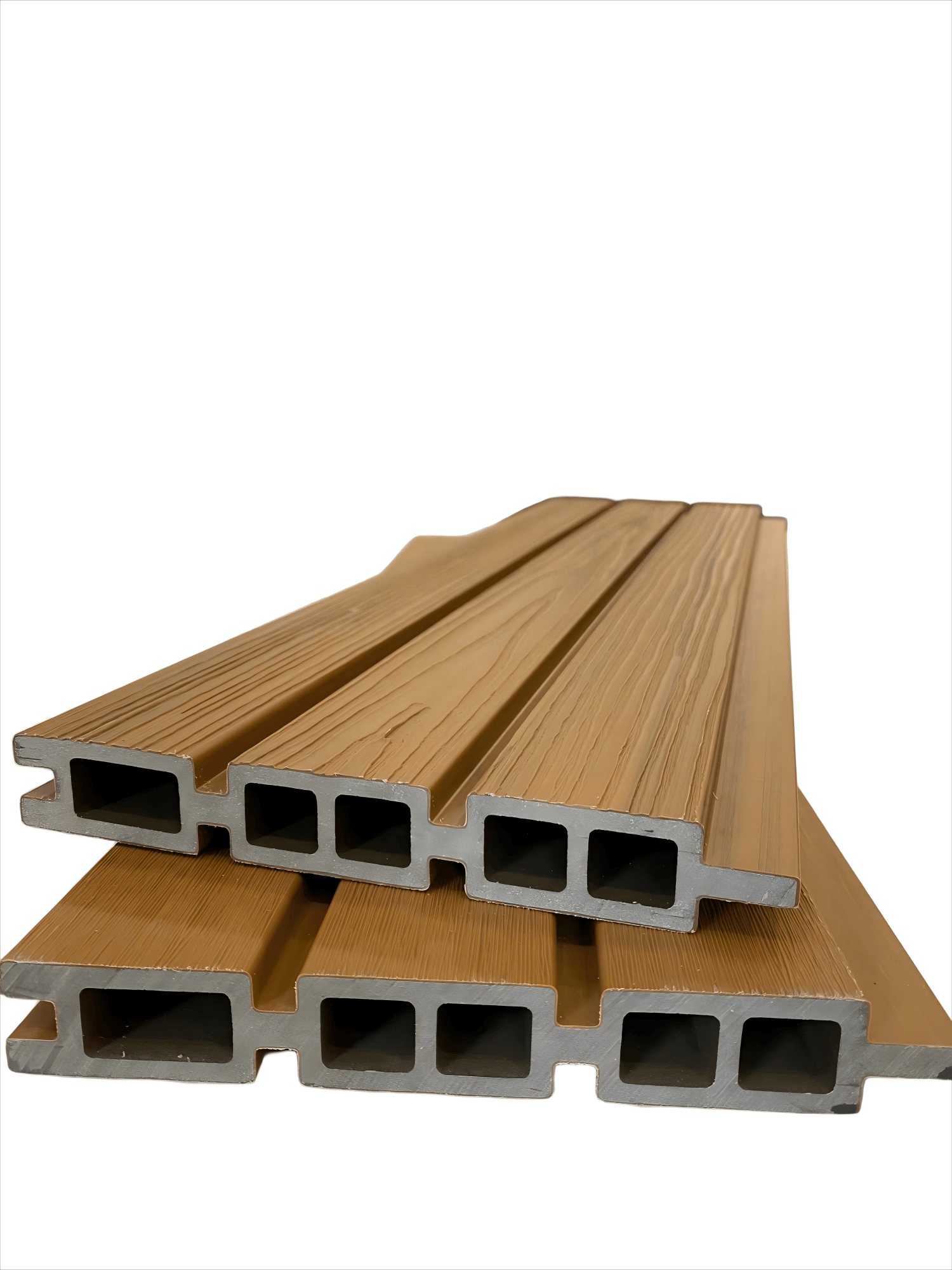
WPC fence panels are engineered products made from a blend of wood fibers and thermoplastics. This composite material is designed to mimic the look of natural wood while providing enhanced resistance to moisture, insects, and UV rays. The production process involves extruding the composite material into various fence panel profiles, creating a versatile product suitable for different applications.
The key advantage of WPC fence panels lies in their low maintenance requirements. Unlike traditional wood fences that need regular staining or painting, WPC panels retain their color and structural integrity with minimal upkeep. This makes them an ideal choice for residential, commercial, and public landscaping projects where durability and aesthetics are equally important.
Types of WPC Fence Panels
WPC fence panels come in various styles and configurations to suit different design preferences and functional requirements. Understanding the different types available can help you make an informed decision for your project:
1. Solid WPC Fence Panels
Solid WPC fence panels are completely filled with composite material, offering maximum strength and durability. These panels are ideal for high-traffic areas or locations where security is a primary concern. Their robust construction makes them resistant to impact and bending, ensuring long-lasting performance even in harsh weather conditions.
2. Hollow WPC Fence Panels
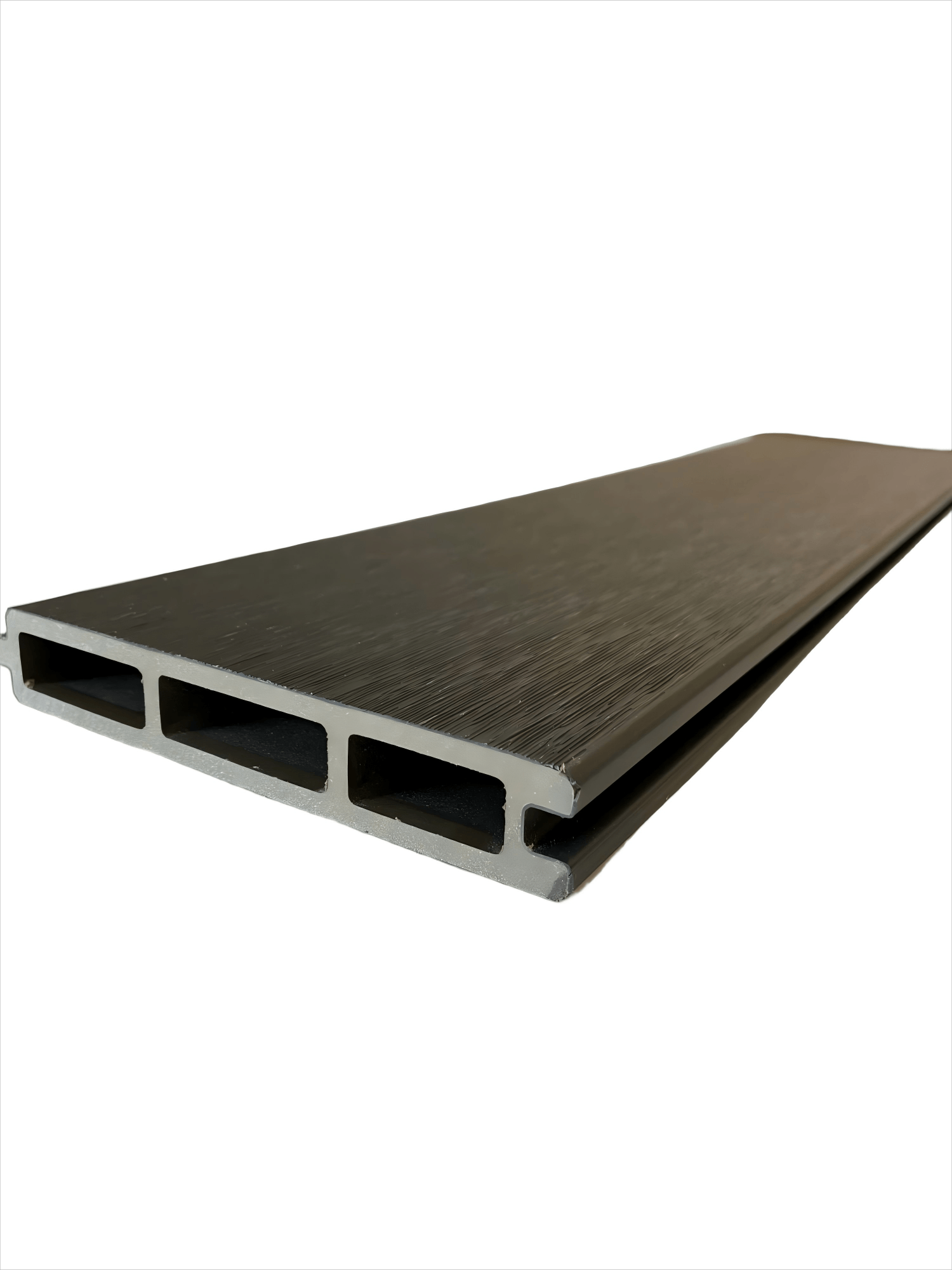
Hollow WPC fence panels feature a hollow core design, which reduces material usage while maintaining structural integrity. These panels are lighter in weight and often more cost-effective than solid panels. The hollow design also allows for better air circulation, which can be beneficial in humid environments to prevent moisture buildup.
3. Lattice-Top WPC Fence Panels
Lattice-top WPC fence panels combine solid lower sections with decorative lattice patterns at the top. This design provides both privacy and visual appeal, making it popular for residential gardens and patios. The lattice pattern allows for partial visibility while still offering some protection from wind and debris.
4. Privacy WPC Fence Panels
Privacy WPC fence panels are designed with minimal gaps between slats or panels, providing complete visual separation from neighboring properties or public areas. These panels are available in various heights and can be customized with different textures or colors to match your landscape design.
Key Factors Affecting WPC Fence Panel Quality
Not all WPC fence panels are created equal. The quality of these products can vary significantly based on several factors. When evaluating different suppliers and products, consider the following aspects to ensure you’re getting the best value for your investment:
1. Material Composition
The ratio of wood fibers to plastic in the composite material affects the panel’s strength, flexibility, and appearance. High-quality WPC fence panels typically contain a balanced mix of recycled wood fibers and virgin or recycled plastics, ensuring optimal performance and longevity.
2. Manufacturing Process
Advanced extrusion technology and precise temperature control during manufacturing are crucial for producing consistent, high-quality WPC fence panels. Look for suppliers that invest in state-of-the-art equipment and quality control measures to ensure each panel meets strict standards.
3. UV Stabilization
Outdoor exposure to sunlight can cause fading and degradation of WPC materials over time. Top-quality WPC fence panels incorporate UV stabilizers that protect against color fading and maintain the panel’s structural integrity even after years of sun exposure.
4. Surface Treatment
The surface finish of WPC fence panels affects both their appearance and durability. Some panels feature a textured surface that mimics natural wood grain, while others have a smooth finish. Additionally, some manufacturers apply protective coatings that enhance resistance to scratches, stains, and moisture penetration.
5. Certifications and Standards
Reputable WPC fence panel suppliers adhere to international quality standards and obtain relevant certifications. Look for products that comply with ISO 9001 quality management systems and have passed tests for factors like impact resistance, weatherability, and fire safety.
| Quality Factor | Importance | How to Identify |
|---|---|---|
| Material Composition | Affects strength and durability | Check product specifications for wood-to-plastic ratio |
| UV Stabilization | Prevents color fading | Look for UV resistance claims in product descriptions |
| Certifications | Ensures compliance with standards | Verify ISO 9001, CE, or other relevant certifications |
Why Choose Linyi Xuancheng New Materials for WPC Fence Panels
As a leading innovator in green building materials, Linyi Xuancheng New Materials has established itself as a premier supplier of high-quality WPC fence panels. Here’s why their products stand out in the market:
1. Advanced Manufacturing Capabilities
With over 40 extrusion lines and 20 co-extrusion lines, Linyi Xuancheng New Materials has the production capacity to meet large-scale project requirements while maintaining consistent quality. Their state-of-the-art facilities in Linyi, China, feature the latest technology for precise material blending and panel formation.
2. Proprietary A-R 80ARD Brand
The company’s proprietary A-R 80ARD brand of WPC products represents their commitment to innovation and quality. These fence panels are engineered to deliver superior performance in various outdoor environments, combining the natural beauty of wood with the practical benefits of plastic composites.
3. Comprehensive Product Range
Linyi Xuancheng New Materials offers a wide selection of WPC fence panels to suit different applications and design preferences. Their product line includes:
- Solid fence panels for maximum privacy and security
- Hollow fence panels for cost-effective solutions
- Lattice-top panels for decorative applications
- Customizable panels with various textures and colors
4. Quality Assurance
The company’s dedication to quality is evident in their numerous certifications and awards, including ISO 9001, CE certification, and recognition as a “China Green Environmental Protection Product.” Their products have undergone rigorous testing to ensure they meet international standards for durability, safety, and environmental impact.
5. Environmental Responsibility
Linyi Xuancheng New Materials is committed to sustainable manufacturing practices. Their WPC fence panels are made from recycled materials, reducing waste and minimizing the environmental footprint of their products. This eco-friendly approach aligns with the growing demand for sustainable building solutions worldwide.
FAQ
What makes WPC fence panels better than traditional wood fences?
WPC fence panels offer several advantages over traditional wood fences, including superior durability, resistance to rot and insects, low maintenance requirements, and consistent quality. Unlike wood, WPC panels don’t require regular staining or sealing and won’t warp, crack, or splinter over time.
How long do WPC fence panels typically last?
The lifespan of WPC fence panels depends on factors like material quality, installation, and environmental conditions. High-quality WPC panels from reputable manufacturers like Linyi Xuancheng New Materials can last 20-25 years or more with proper care, significantly longer than most traditional wood fences.
Can WPC fence panels be painted or stained?
While WPC fence panels come in various colors and finishes, painting or staining is generally not necessary or recommended. The color is integrated throughout the material, so scratches are less noticeable than with wood. If you want to change the color, consult with the manufacturer for compatible paint options.
Are WPC fence panels environmentally friendly?
Yes, WPC fence panels are considered more environmentally friendly than traditional wood fences. They’re often made from recycled materials, reducing waste and the demand for virgin timber. Additionally, their long lifespan means less frequent replacement, further reducing environmental impact.
Summary
Selecting the right WPC fence panels for your project requires careful consideration of material quality, manufacturing standards, and supplier reputation. Linyi Xuancheng New Materials emerges as a top choice in the market, offering a comprehensive range of high-quality WPC fence panels backed by advanced manufacturing capabilities and a commitment to sustainability. Their A-R 80ARD brand products provide the perfect combination of natural aesthetics, durability, and low maintenance, making them ideal for residential, commercial, and public landscaping applications. By choosing Linyi Xuancheng New Materials as your WPC fence panel supplier, you’re investing in a solution that will enhance your property’s appearance and value for decades to come.