
In the realm of outdoor construction materials, Wood-Plastic Composites (WPC) have emerged as a revolutionary solution that combines the aesthetic appeal of natural wood with the superior durability of plastic polymers. As a leading innovator in this field, Linyi Xuancheng New Material Co., Ltd. has dedicated over a decade to perfecting WPC technology through its A-R 80ARD brand, offering high-quality outdoor solutions that redefine sustainable construction.
This comprehensive guide explores the technical advantages, maintenance requirements, and diverse applications of WPC materials, drawing on the extensive expertise and product offerings of Linyi Xuancheng New Material Co., Ltd. Whether you’re considering WPC for residential landscaping, commercial outdoor spaces, or large-scale municipal projects, this resource provides essential insights to help you make informed decisions.
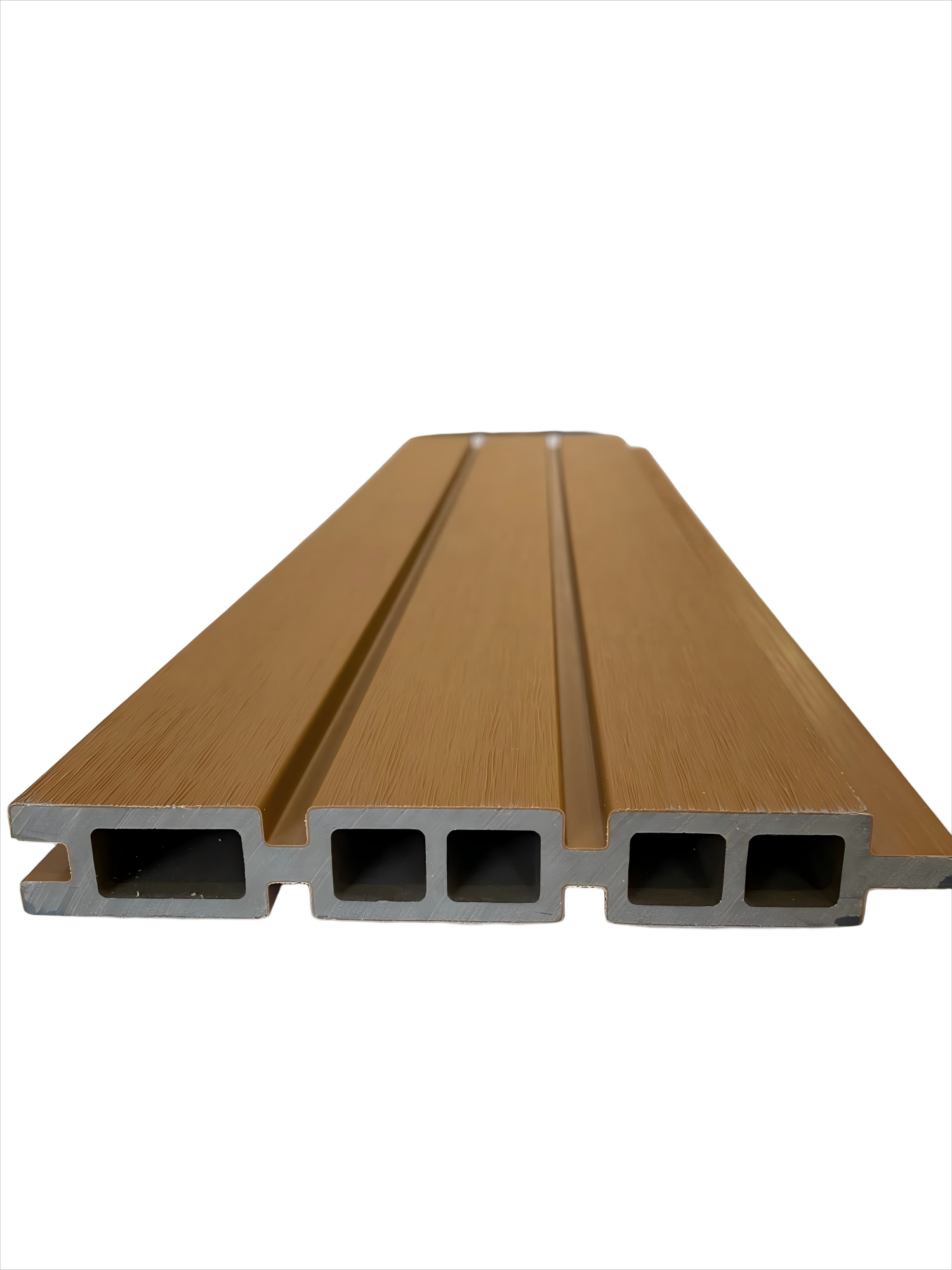
Understanding WPC Material Composition
WPC represents a sophisticated blend of approximately 60% wood fibers (typically from recycled wood waste) and 40% high-density polyethylene (HDPE) or other thermoplastics. This combination creates a material that inherits wood’s workability while gaining plastic’s resistance to moisture, insects, and decay. The manufacturing process involves extrusion or injection molding under high pressure and temperature, resulting in consistent quality and precise dimensional control.
Linyi Xuancheng’s advanced production facilities, featuring over 40 extrusion lines and 20 co-extrusion lines, enable precise control over material composition and structural properties. This technological edge allows the company to produce WPC products with optimized performance characteristics for specific applications, from heavy-duty flooring to decorative wall panels.
WPC Outdoor Flooring: Types and Applications
The company’s flagship WPC outdoor flooring comes in three primary configurations, each engineered for specific performance requirements and aesthetic preferences:
1. Square Hole Flooring
This high-value option features a lightweight design with square perforations that reduce material usage while maintaining structural integrity. The square hole pattern provides excellent drainage and ventilation, making it ideal for:
- Residential patios and terraces
- Park walkways and boardwalks
- Garden landscaping paths
- Poolside decking (when combined with proper drainage systems)
The variety of surface textures available allows for creative design patterns while maintaining slip resistance. With proper installation, square hole flooring can support moderate loads while offering significant cost savings compared to solid boards.
2. Round Hole Flooring
Engineered with circular perforations, this design offers superior bending resistance and enhanced drainage capabilities. The rounded holes distribute stress more evenly than square openings, making this type particularly suitable for:
- Marina walkways and docks
- Swimming pool surrounds
- Waterfront promenades
- Elevated栈道 (boardwalks) in wet environments
The improved drainage prevents water accumulation, reducing the risk of slip hazards and material degradation. The circular design also provides better acoustic properties, minimizing noise from foot traffic.
3. Solid Flooring
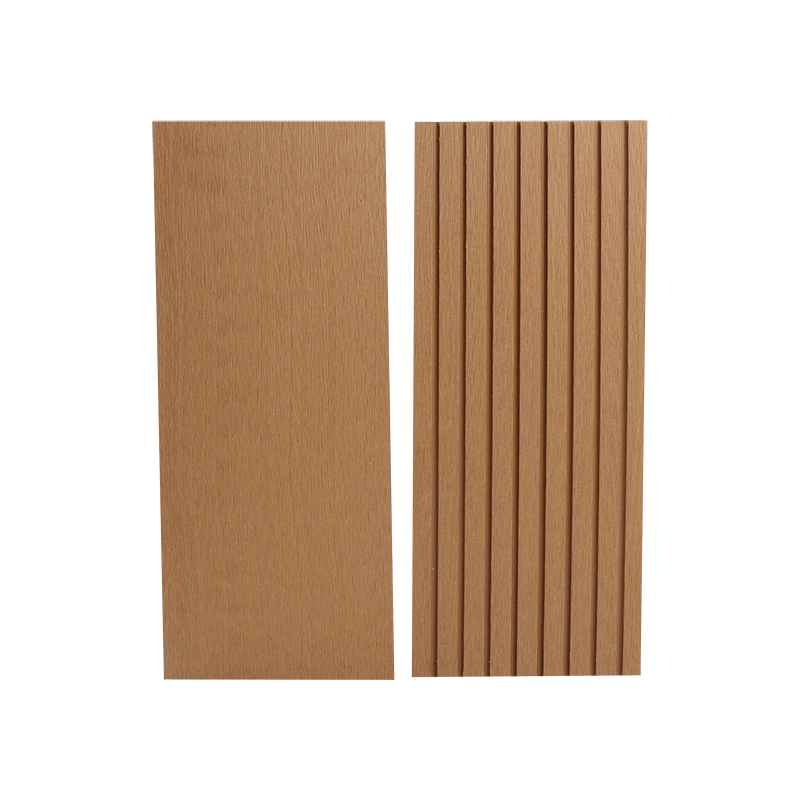
For applications demanding maximum durability and load-bearing capacity, solid WPC flooring offers unmatched performance. This configuration features:
- Exceptional impact resistance
- Minimal thermal expansion/contraction
- Superior load distribution
- Long-term dimensional stability
Ideal for high-traffic areas such as commercial plazas, public transportation platforms, and industrial walkways, solid WPC flooring maintains its integrity under heavy loads while requiring minimal maintenance. Its uniform structure also provides excellent thermal insulation properties.
WPC Wall Panels and Fencing Systems
Beyond flooring, Linyi Xuancheng’s product range includes sophisticated WPC solutions for vertical surfaces and perimeter security:
1. Great Wall Panels
Characterized by their distinctive concave-convex grille pattern, these panels offer both functional and aesthetic benefits:
- Exterior wall cladding for residential and commercial buildings
- Decorative garden screens and partitions
- Ceiling treatments for covered patios and pergolas
- Acoustic panels for noise reduction in public spaces
The three-dimensional profile creates visual interest while providing excellent ventilation and moisture management. The panels’ interlocking design simplifies installation and ensures weather-tight joints.
2. Exterior Wall Panels
Designed for straightforward installation and cost-effective renovation projects, these panels feature:
- Simple tongue-and-groove connection system
- Mid-range pricing for value-conscious projects
- Suitable for self-built housing and villa exteriors
- Ideal for commercial storefront renovations
The panels’ smooth surface accepts paint finishes easily, allowing customization to match architectural styles. Their lightweight nature reduces structural load requirements compared to traditional brick or stone cladding.
3. Fence Panels
Offering versatile privacy solutions, WPC fence panels come in multiple configurations:
- Fully enclosed designs for maximum security
- Semi-open patterns for partial visibility
- Fully perforated styles for decorative screening
- Customizable heights and lengths
These panels provide an attractive alternative to wooden fencing without the maintenance headaches. The material’s resistance to warping, cracking, and insect damage ensures long-term performance in diverse climates.
Technical Advantages of WPC Materials
The superior performance of WPC products stems from several key material properties that address common challenges with traditional outdoor materials:
| Property | WPC Advantage | Traditional Wood Comparison |
|---|---|---|
| Moisture Resistance | Non-absorbent surface prevents swelling, warping, and rot | Prone to moisture damage without chemical treatment |
| Insect Resistance | Inorganic composition repels termites and other wood-boring insects | Requires regular chemical treatment to prevent infestation |
| UV Stability | Advanced formulations with UV stabilizers maintain color and strength | Fades and becomes brittle with prolonged sun exposure |
| Thermal Performance | Low thermal conductivity reduces heat buildup in direct sunlight | Can become uncomfortably hot in sunny climates |
| Slip Resistance | Textured surfaces provide excellent traction even when wet | Can become slippery when wet or with algae growth |
Maintenance Guidelines for WPC Outdoor Products
One of the most compelling advantages of WPC materials is their reduced maintenance requirements compared to traditional wood. While not entirely maintenance-free, WPC products demand significantly less upkeep, translating to long-term cost savings and convenience:
Cleaning Procedures
Regular cleaning prevents dirt accumulation and maintains appearance:
- Use a soft-bristle brush or broom to remove loose debris
- For stubborn dirt, mix mild detergent with warm water (avoid harsh chemicals)
- Apply solution with a soft cloth or mop, then rinse thoroughly with clean water
- For oil-based stains, use a degreasing agent specifically formulated for composites
Frequency: Clean surfaces every 6-12 months, or more frequently in high-traffic or industrial areas.
Stain Prevention
While WPC resists most staining agents better than wood, some substances may cause discoloration:
- Wipe up spills immediately, especially from red wine, coffee, or oil-based products
- Avoid prolonged contact with rubber-backed mats or furniture feet, which may leave marks
- Use protective pads under grills or fire pits to prevent heat damage
Long-Term Protection
Although WPC contains UV stabilizers, prolonged sun exposure may cause gradual fading:
- Consider applying a UV-resistant sealer every 2-3 years in extremely sunny climates
- Rotate movable furniture periodically to ensure even exposure
- For coastal installations, rinse with fresh water weekly to remove salt deposits
Environmental Benefits of WPC Materials
Linyi Xuancheng’s commitment to sustainability extends beyond product performance to environmental responsibility. WPC materials offer several ecological advantages:
Resource Conservation
By utilizing recycled wood fibers and plastic waste, WPC production diverts materials from landfills while reducing demand for virgin timber. The company’s manufacturing process recycles approximately 95% of production waste, minimizing environmental impact.
Longevity and Durability
The extended service life of WPC products (typically 25+ years) means fewer replacements and less material consumption over time. This durability reduces the lifecycle environmental footprint compared to traditional materials that require more frequent replacement.
Energy Efficiency
WPC’s superior thermal insulation properties can contribute to building energy efficiency when used as cladding or decking. The material’s low thermal conductivity helps maintain more stable indoor temperatures, potentially reducing heating and cooling demands.
FAQ
How does WPC outdoor flooring perform in coastal environments?
WPC flooring excels in coastal applications due to its complete resistance to saltwater corrosion and moisture damage. The non-porous surface prevents salt accumulation, while the material’s stability ensures it won’t warp or crack from humidity changes. For optimal performance in direct salt spray zones, we recommend our solid flooring configuration with regular freshwater rinsing to remove salt deposits.
What maintenance does WPC wall paneling require?
WPC wall panels demand minimal maintenance compared to traditional wood siding. Annual cleaning with mild soap and water keeps them looking new, while their UV-stabilized formulation prevents fading. Unlike wood, they never require painting, staining, or sealing, saving significant time and material costs over their 25+ year lifespan.
Can WPC fencing withstand extreme weather conditions?
Absolutely. Our WPC fencing systems are engineered to endure harsh weather including heavy rain, intense sunlight, and freezing temperatures. The material won’t rot, warp, or crack like wood, and its impact resistance stands up to wind-blown debris. In snowy regions, the smooth surface prevents ice buildup that can damage traditional fences.
Is WPC suitable for high-traffic commercial applications?
Definitely. Our solid WPC flooring configuration is specifically designed for heavy-duty commercial use. It supports pedestrian loads exceeding 500 kg/m² and vehicle loads up to 2.5 tons, making it ideal for plazas, walkways, and transportation platforms. The material’s scratch resistance maintains appearance even under constant use.
How does WPC compare to real wood in terms of environmental impact?
WPC offers superior environmental performance in several ways. First, it utilizes recycled wood fibers and plastic waste, diverting materials from landfills. Second, its 25+ year lifespan means fewer replacements and less resource consumption compared to wood’s 5-10 year replacement cycle. Finally, WPC requires no chemical treatments for pest resistance or weather protection, eliminating hazardous runoff.
Summary
WPC outdoor materials represent a paradigm shift in sustainable construction, offering unmatched durability, low maintenance, and environmental benefits compared to traditional wood. Linyi Xuancheng New Material Co., Ltd.’s extensive expertise in WPC technology ensures products that meet the highest standards for performance and reliability across diverse applications.
From residential landscaping to large-scale commercial projects, WPC solutions provide cost-effective, eco-friendly alternatives that deliver lasting value. The company’s commitment to innovation continues to push the boundaries of what’s possible with composite materials, ensuring customers receive cutting-edge products backed by rigorous quality control and international certifications.
As outdoor construction evolves toward more sustainable practices, WPC materials emerge as the clear choice for professionals seeking to balance performance, aesthetics, and environmental responsibility. With proper installation and basic maintenance, WPC products from Linyi Xuancheng offer decades of trouble-free service, redefining expectations for outdoor building materials.