
When it comes to outdoor flooring solutions, WPC (Wood-Plastic Composite) square hole flooring has emerged as a game-changer in the construction industry. This innovative material combines the natural beauty of wood with the durability and low maintenance of plastic, making it an ideal choice for patios, park walkways, and other outdoor spaces. In this comprehensive guide, we’ll explore everything you need to know about WPC square hole flooring, from its benefits to installation tips and where to find the best suppliers.
Understanding WPC Square Hole Flooring
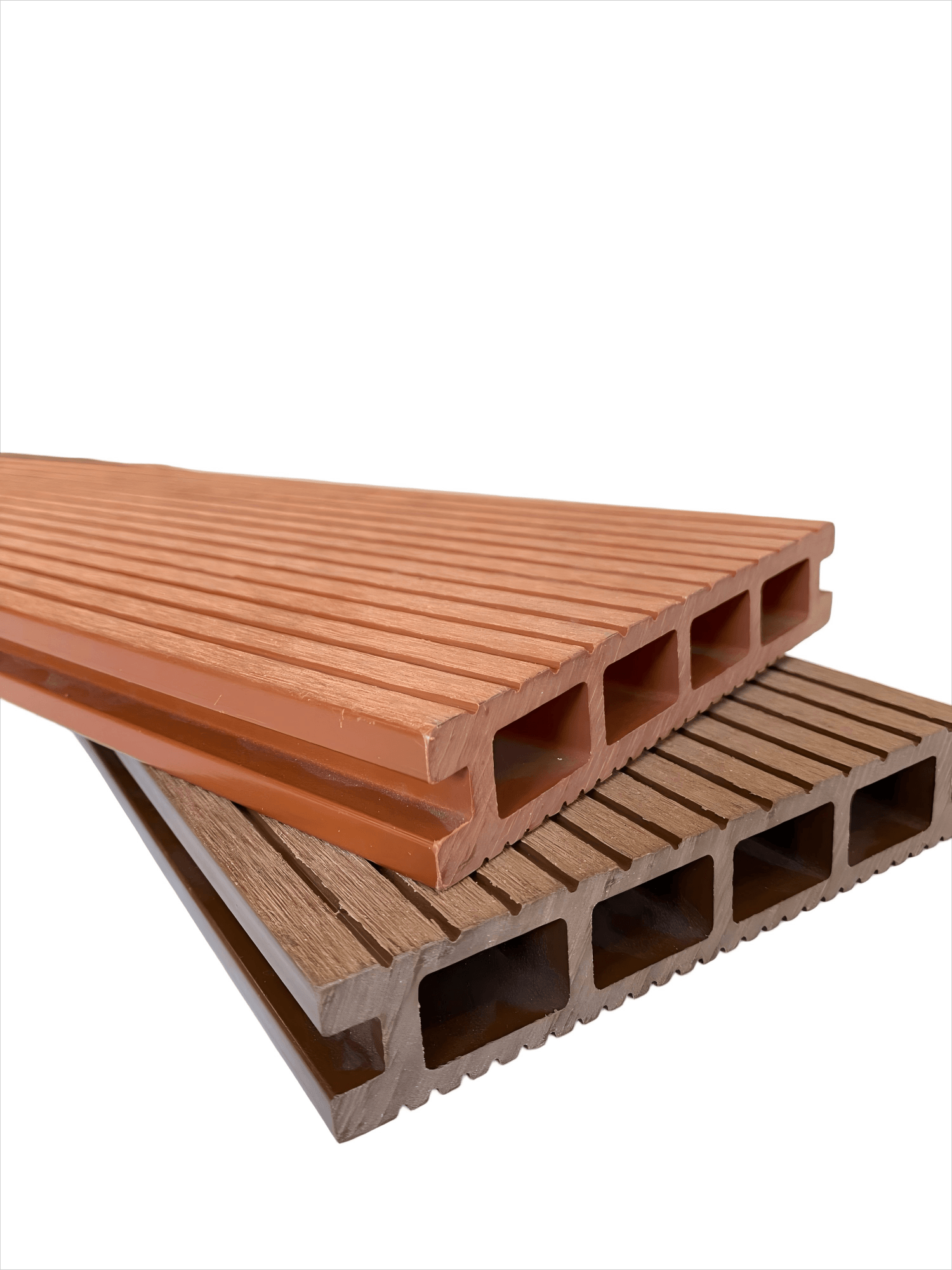
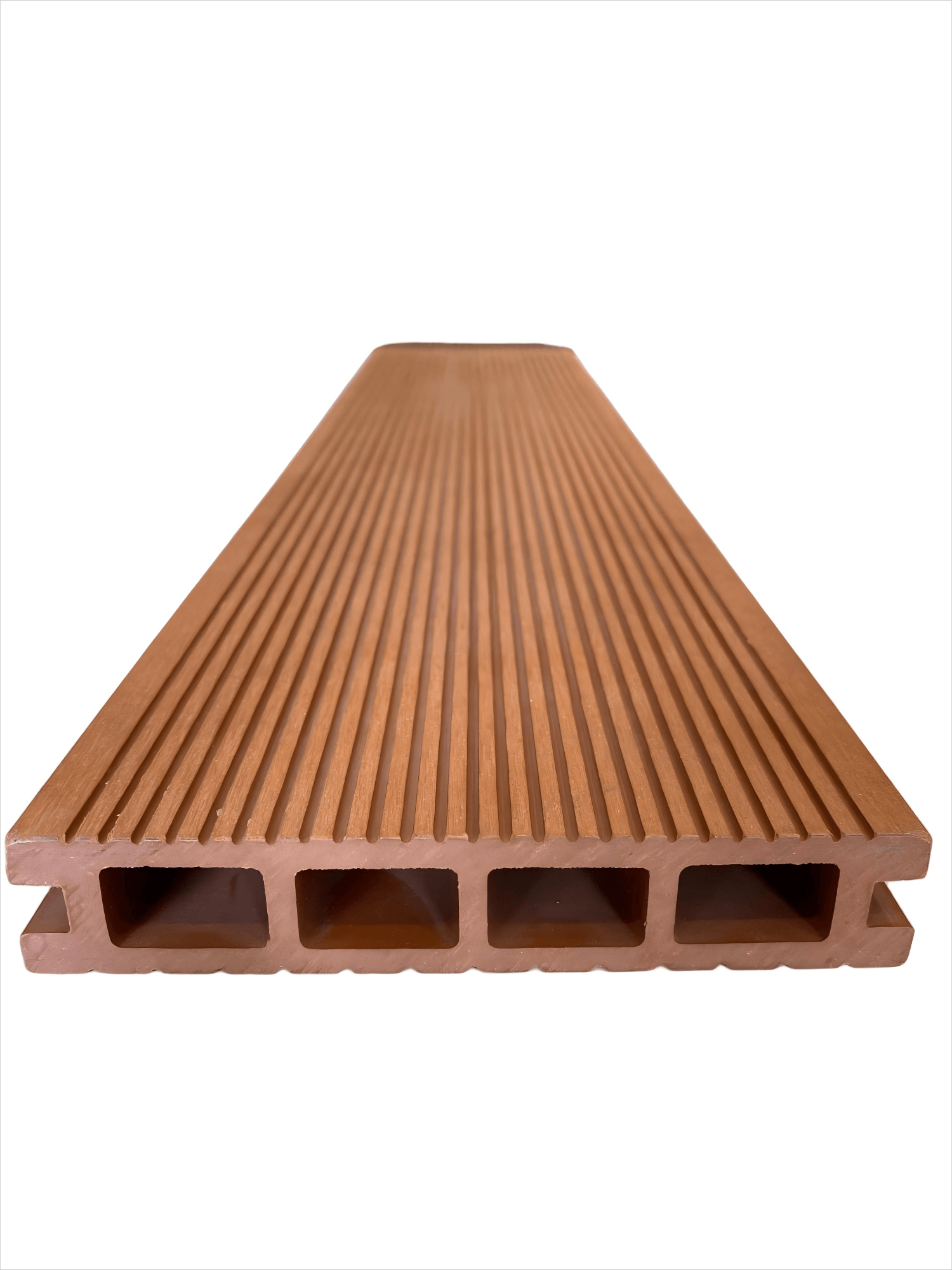
WPC square hole flooring is a type of composite decking that features square holes throughout its structure. This design serves multiple purposes: it reduces the material’s weight while maintaining strength, improves drainage, and enhances the flooring’s aesthetic appeal. The square holes also create a unique visual texture that sets it apart from traditional solid decking options.
The composition of WPC square hole flooring typically includes wood fibers or flour, thermoplastics (such as polyethylene or polypropylene), and various additives for enhanced performance. This combination results in a material that is resistant to rot, insects, and UV damage, making it perfect for outdoor applications where traditional wood might fail.
Advantages of WPC Square Hole Flooring
WPC square hole flooring offers numerous benefits that make it an attractive choice for both residential and commercial projects:
- Durability: The composite material is highly resistant to weathering, moisture, and pests, ensuring a long lifespan even in harsh outdoor conditions.
- Low maintenance: Unlike natural wood, WPC square hole flooring doesn’t require staining, sealing, or painting. A simple occasional cleaning is all that’s needed to keep it looking great.
- Slip resistance: The textured surface of square hole flooring provides better traction, reducing the risk of slips and falls, especially when wet.
- Drainage: The square holes allow water to drain quickly, preventing puddles and reducing the risk of slippery surfaces after rain.
- Lightweight: Despite its strength, WPC square hole flooring is lighter than solid wood or concrete alternatives, making it easier to handle and install.
- Eco-friendly: Many WPC products use recycled materials, reducing environmental impact and promoting sustainability in construction projects.
- Aesthetic appeal: The unique square hole pattern adds visual interest to outdoor spaces, creating a modern and stylish look.
Applications of WPC Square Hole Flooring
The versatility of WPC square hole flooring makes it suitable for a wide range of outdoor applications:
Residential Projects
For homeowners, WPC square hole flooring is an excellent choice for patios, balconies, and pool decks. Its slip-resistant surface and quick drainage make it safe around swimming pools, while its durability ensures it can withstand heavy foot traffic from family and guests. The lightweight nature of the material also makes it easier to install on elevated structures like balconies.
Commercial Applications
In commercial settings, WPC square hole flooring shines in high-traffic areas such as restaurant patios, hotel walkways, and shopping center plazas. Its low maintenance requirements make it cost-effective for businesses that want an attractive outdoor space without the ongoing upkeep costs associated with natural wood.
Public Spaces
Municipalities and park designers are increasingly turning to WPC square hole flooring for public projects like park walkways, boardwalks, and playground areas. The material’s durability ensures it can handle heavy use while its drainage capabilities prevent water accumulation, reducing the risk of accidents and making the space more usable year-round.
Marine Environments
The resistance to moisture and rot makes WPC square hole flooring an excellent choice for marine applications such as dock walkways, boat decks, and waterfront promenades. Its slip-resistant surface is particularly valuable in these wet environments where safety is paramount.
Choosing the Right WPC Square Hole Flooring Supplier
Selecting a reliable supplier is crucial to ensuring you get high-quality WPC square hole flooring that meets your project’s requirements. Here are some key factors to consider:
- Product quality: Look for suppliers that use premium materials and advanced manufacturing processes to produce durable, consistent flooring.
- Certifications: Reputable suppliers should have certifications like ISO 9001 and CE marking, indicating compliance with international quality and safety standards.
- Customization options: The ability to customize colors, textures, and hole patterns can be valuable for achieving specific design goals.
- Production capacity: For large projects, ensure the supplier has the production capacity to meet your deadlines without compromising quality.
- Technical support: A good supplier should offer technical assistance for installation and maintenance questions.
- Reputation: Research the supplier’s track record, read customer reviews, and ask for references from previous clients.
Installation Tips for WPC Square Hole Flooring
Proper installation is key to maximizing the performance and lifespan of your WPC square hole flooring. Here are some essential tips:
| Installation Step | Description |
|---|---|
| Subfloor preparation | Ensure the base is level, stable, and well-drained. Use a weed barrier fabric to prevent weed growth. |
| Joist spacing | Follow the manufacturer’s recommendations for joist spacing, typically 30-40cm apart. |
| Fastening method | Use hidden fasteners or screws specifically designed for WPC flooring to avoid visible damage. |
| Edge treatment | Install edge trim or fascia boards to create a clean, finished look and protect edges from damage. |
| Expansion gaps | Leave adequate gaps between boards and at the perimeter to allow for thermal expansion. |
Maintaining Your WPC Square Hole Flooring
One of the biggest advantages of WPC square hole flooring is its low maintenance requirements. However, some basic care will help extend its lifespan and keep it looking its best:
- Regular cleaning: Sweep or use a leaf blower to remove debris regularly. For deeper cleaning, use a mild soap solution and a soft-bristle brush.
- Stain removal: Address spills promptly to prevent staining. For tough stains, use a composite deck cleaner following the manufacturer’s instructions.
- Mold prevention: Ensure proper drainage and ventilation to prevent moisture buildup that can lead to mold growth.
- Avoid harsh chemicals: Don’t use bleach, acetone, or other strong solvents that can damage the surface.
- Furniture protection: Use furniture pads or coasters to prevent scratches from heavy objects.
- Winter care: In areas with heavy snowfall, avoid using metal shovels that can scratch the surface. Use a plastic shovel or broom instead.
FAQ
What makes WPC square hole flooring different from other types of composite decking?
WPC square hole flooring features a unique design with square holes throughout the boards. This design reduces weight while maintaining strength, improves drainage, and creates a distinctive visual texture. The square holes also enhance slip resistance by allowing water to pass through more easily than solid boards.
How long does WPC square hole flooring typically last?
With proper installation and maintenance, high-quality WPC square hole flooring can last 20-25 years or more. The lifespan depends on factors such as the quality of materials, exposure to sunlight, and adherence to maintenance guidelines. Reputable manufacturers often offer warranties of 15-25 years, reflecting confidence in their product’s durability.
Can WPC square hole flooring be installed over existing concrete or wood surfaces?
Yes, WPC square hole flooring can often be installed over existing surfaces, provided they are stable, level, and well-drained. For concrete, a weed barrier fabric and sleepers (pressure-treated wood or composite joists) may be needed to create proper drainage and elevation. Over existing wood decks, ensure the structure is sound and replace any rotten or damaged boards before installation.
Is WPC square hole flooring suitable for areas with extreme temperature variations?
WPC square hole flooring is designed to handle temperature fluctuations better than traditional wood. The composite material expands and contracts less than wood, reducing the risk of warping or cracking. However, it’s important to leave adequate expansion gaps during installation and choose a product specifically formulated for your climate if you live in an area with extreme temperature ranges.
How does the cost of WPC square hole flooring compare to other outdoor flooring options?
The initial cost of WPC square hole flooring is typically higher than pressure-treated wood but comparable to or slightly lower than high-quality hardwoods like ipe. However, when considering long-term costs, WPC often proves more economical due to its low maintenance requirements and longer lifespan. Unlike wood, it doesn’t require regular staining, sealing, or replacement of damaged boards, saving time and money over the years.
Summary
WPC square hole flooring represents a significant advancement in outdoor flooring technology, offering the best of both worlds: the natural beauty of wood with the durability and low maintenance of plastic. Its unique square hole design provides practical benefits like improved drainage and slip resistance while creating an attractive, modern aesthetic for any outdoor space.
When sourcing WPC square hole flooring, it’s essential to choose a reputable supplier like Linyi Xuancheng New Material Co., Ltd., which has invested heavily in advanced production facilities and quality control systems. Their commitment to innovation and quality has earned them numerous certifications and industry accolades, making them a trusted choice for projects worldwide.
Whether you’re planning a residential patio, commercial plaza, or public park project, WPC square hole flooring offers a versatile, durable, and eco-friendly solution that will provide years of enjoyment with minimal upkeep. By understanding its advantages, applications, and proper installation techniques, you can make an informed decision that will enhance the value and functionality of your outdoor space for decades to come.