
When creating sustainable outdoor living spaces, the choice of materials significantly impacts both aesthetics and environmental footprint. WPC (Wood-Plastic Composite) circular hole flooring has emerged as a revolutionary solution that combines the natural beauty of wood with the durability of plastic. This comprehensive guide explores why this innovative material is transforming gardens, patios, and public spaces worldwide, with insights from Linyi Xuancheng New Materials Co., Ltd., a pioneer in eco-friendly garden solutions.
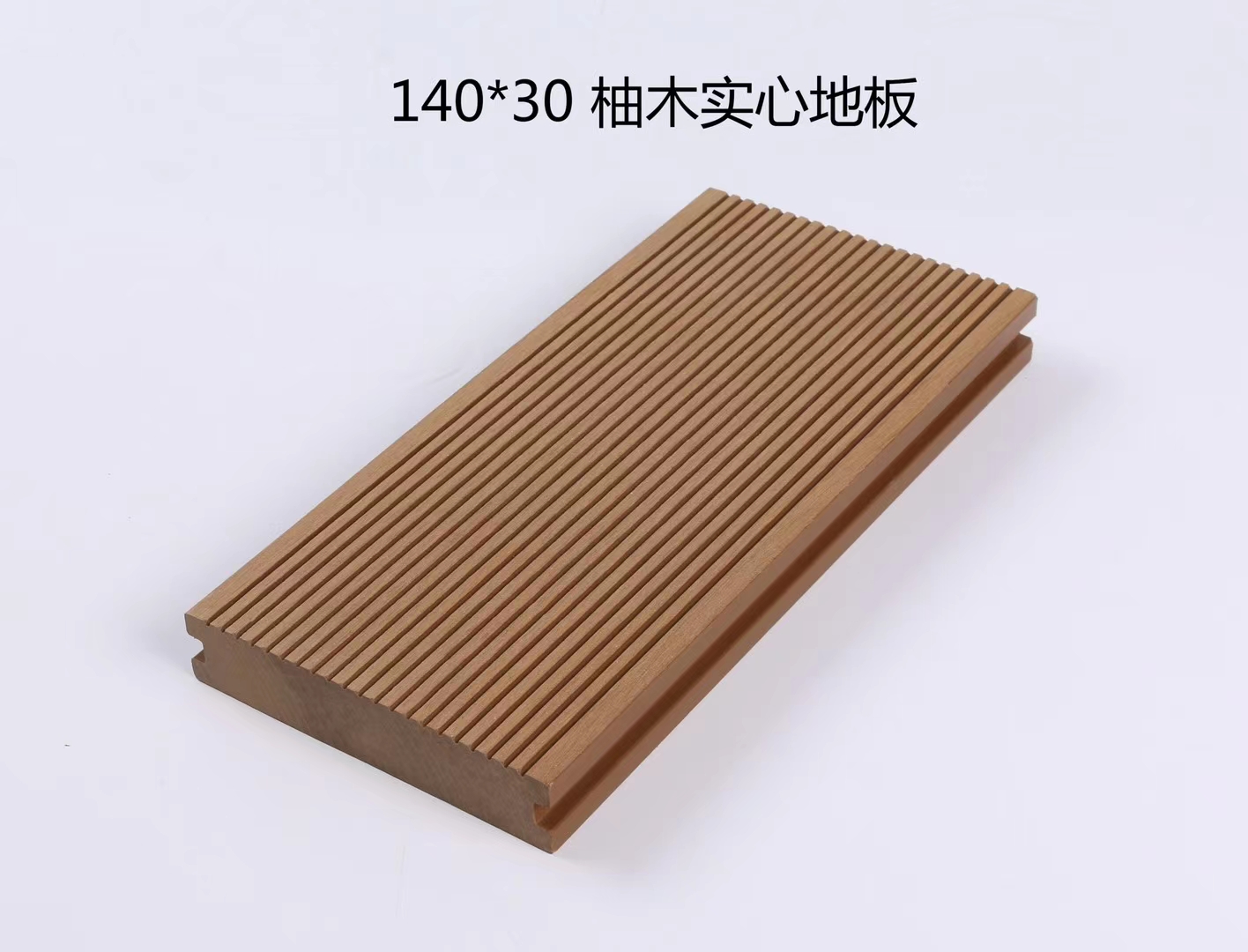
Understanding WPC Circular Hole Flooring Technology
WPC circular hole flooring represents the pinnacle of material engineering in outdoor construction. This composite material typically consists of 60% wood fiber (from sustainable sources) and 40% high-density polyethylene (HDPE) plastic, combined with special additives that enhance performance. The circular hole design isn’t merely aesthetic—it serves critical functional purposes that make this flooring ideal for outdoor applications.
The manufacturing process begins with precise blending of raw materials in specialized extruders. Linyi Xuancheng employs state-of-the-art German technology in their 40+ extrusion lines and 20+ co-extrusion lines, ensuring consistent quality across all products. The circular holes are formed during extrusion through carefully designed molds that maintain structural integrity while creating optimal drainage channels.
This production method results in flooring that’s 30% lighter than solid WPC boards while maintaining comparable strength. The circular holes reduce material usage by 25% compared to solid designs, making it both cost-effective and environmentally responsible. Each board undergoes rigorous quality control, including laser marking for traceability and sanding for perfect surface finish.
Key Advantages of Circular Hole Design
The circular hole pattern in WPC flooring offers multiple benefits that solve common outdoor flooring challenges:
1. Superior Drainage System
The evenly spaced circular holes allow water to drain quickly, preventing puddle formation that can lead to slip hazards and material degradation. This is particularly valuable in areas with heavy rainfall or near swimming pools where water accumulation is common. The drainage efficiency reduces the risk of mold and mildew growth beneath the flooring.
2. Enhanced Slip Resistance
Contrary to what one might expect, the circular holes actually improve traction. The textured surface around the holes provides better grip for footwear, while the drainage channels prevent water from pooling on the surface. This makes circular hole flooring safer than many traditional outdoor materials, especially in wet conditions.
3. Lightweight Construction
By removing material to create the circular holes, the overall weight of each board is significantly reduced. This makes installation easier and reduces transportation costs. The lightweight nature also puts less stress on supporting structures, making it suitable for elevated decks and balconies.
4. Thermal Regulation
The air gaps created by the circular holes allow for better air circulation beneath the flooring. This helps regulate temperature, keeping the surface cooler in summer and preventing excessive heat buildup that can warp materials. The improved ventilation also reduces the risk of condensation-related issues.
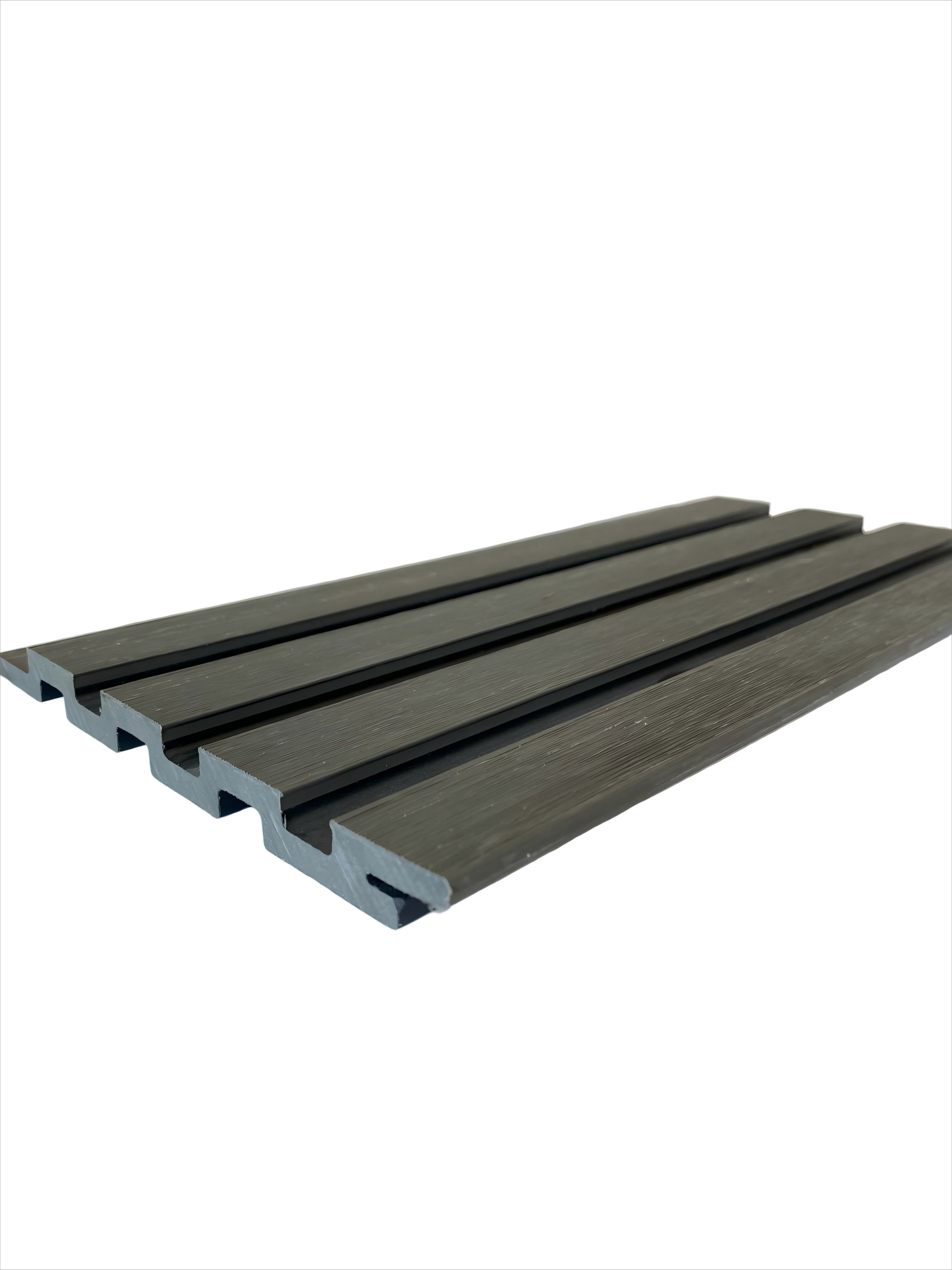
Product Specifications and Variations
Linyi Xuancheng offers a comprehensive range of WPC circular hole flooring to meet diverse project requirements:
| Specification | Details |
|---|---|
| Standard Dimensions | 140mm width × 25mm thickness (custom sizes available) |
| Hole Configuration | 6 circular holes per board (diameter 18mm) |
| Material Composition | 60% wood fiber, 35% HDPE, 5% additives |
| Color Options | Natural wood tones, gray, black, custom colors |
| Surface Finish | Brushed, embossed, or smooth options |
| Weight | 2.2kg per linear meter (30% lighter than solid boards) |
The company’s co-extrusion technology enables the creation of boards with different surface and core materials. For example, a cap layer of high-wear-resistant polymer can be applied to the surface while maintaining a standard WPC core, enhancing durability without significantly increasing weight.
Ideal Applications for Circular Hole Flooring
The versatility of WPC circular hole flooring makes it suitable for virtually any outdoor space:
- Residential Gardens: Perfect for patios, walkways, and pool surrounds where safety and aesthetics are priorities. The natural wood appearance complements landscaping while the slip-resistant surface ensures family safety.
- Commercial Plazas: Heavy foot traffic areas in shopping centers benefit from the durability and easy maintenance of this flooring. The drainage holes prevent water accumulation that could damage merchandise or create hazards.
- Public Parks: Municipal projects appreciate the cost-effectiveness and longevity of WPC circular hole flooring. The lightweight nature reduces installation costs, while the material’s resistance to vandalism and weather makes it ideal for high-use areas.
- Marine Applications:
- Elevated Decks: The reduced weight puts less stress on supporting structures compared to solid boards, making it safer for balconies and rooftop terraces where load capacity is a concern.
The excellent drainage and corrosion resistance make this flooring suitable for dockside walkways, boat decks, and coastal promenades. The material won’t rot or warp from saltwater exposure.
Installation Guide and Best Practices
Proper installation is crucial to maximize the benefits of WPC circular hole flooring. Linyi Xuancheng provides comprehensive installation manuals and training for contractors:
1. Substructure Preparation
Create a level base using concrete pads or adjustable pedestals, ensuring proper drainage away from the installation area. The substructure should allow for air circulation beneath the flooring to prevent moisture buildup.
2. Joist Spacing
For residential applications, space joists at 400mm centers. Commercial projects may require 300mm spacing for heavier loads. Use treated wood or aluminum joists for best results.
3. Fastening System
Use stainless steel clips and screws designed specifically for WPC flooring. The clips fit into the circular holes, providing secure attachment while allowing for natural expansion and contraction of the material.
4. Edge Treatment
Install matching fascia boards to cover joist ends and create a finished look. The circular holes in the fascia align with the flooring for consistent drainage around the perimeter.
5. Thermal Expansion
Leave a 10-15mm gap between boards and at building edges to accommodate temperature-related expansion. Use expansion joints every 3-4 meters in large installations.
Maintenance and Longevity
One of the most compelling advantages of WPC circular hole flooring is its minimal maintenance requirements:
- Cleaning: Regular sweeping or occasional washing with mild soap and water keeps the surface looking new. The drainage holes prevent dirt accumulation.
- Stain Removal: Most stains can be removed with a soft brush and non-abrasive cleaner. Oil-based stains may require specialized WPC cleaners.
- Mold Prevention: The excellent drainage and ventilation minimize mold growth. Any surface mold can be easily removed with a vinegar solution.
- Scratch Repair: Minor scratches can be sanded out carefully. For deeper damage, the affected board can be replaced individually.
- Longevity: With proper installation, WPC circular hole flooring can last 15-25 years outdoors, depending on climate and usage.
FAQ
What makes WPC circular hole flooring more suitable for outdoor use than solid WPC boards?
The circular holes provide superior drainage, preventing water accumulation that can lead to slip hazards and material degradation. They also reduce weight by 30% compared to solid boards, making installation easier and reducing stress on supporting structures. The air gaps created by the holes improve thermal regulation and ventilation beneath the flooring.
How does the circular hole design affect the slip resistance of the flooring?
Contrary to what one might expect, the circular holes actually enhance slip resistance. The textured surface around the holes provides better grip for footwear, while the drainage channels prevent water from pooling on the surface. This makes circular hole flooring safer than many traditional outdoor materials, especially in wet conditions.
Can WPC circular hole flooring be installed over existing concrete patios?
Yes, this flooring can be installed over existing concrete with proper preparation. First ensure the concrete is level and free of cracks. Install a vapor barrier and then use adjustable pedestals to create the necessary air gap for drainage and ventilation. The lightweight nature of circular hole boards makes this installation method particularly effective.
What maintenance is required to keep WPC circular hole flooring looking new?
Regular sweeping or occasional washing with mild soap and water is usually sufficient. The drainage holes prevent dirt accumulation, making cleaning easier than with solid boards. For stubborn stains, a soft brush and non-abrasive cleaner can be used. The material’s resistance to mold and rot means no special treatments are needed beyond basic cleaning.
How does Linyi Xuancheng ensure the quality of their WPC circular hole flooring?
The company implements strict quality control throughout production. Each board undergoes multiple inspections, including laser marking for traceability and sanding for perfect surface finish. Their manufacturing facility is ISO 9001 certified, and products carry CE certification for European markets. The use of German extrusion technology ensures consistent quality across all products.
Summary
WPC circular hole flooring represents a significant advancement in outdoor material technology, offering the perfect balance of aesthetics, functionality, and sustainability. The innovative circular hole design addresses common challenges in outdoor flooring, providing superior drainage, enhanced safety, and improved thermal performance while reducing material usage and weight.
Linyi Xuancheng New Materials Co., Ltd. has established itself as an industry leader by combining this innovative material design with rigorous quality control and a commitment to environmental responsibility. Their production facility in Linyi, China, produces over 60,000 tons of WPC materials annually, serving clients worldwide with eco-friendly solutions for gardens, patios, and public spaces.
For architects, contractors, and property owners seeking durable, low-maintenance outdoor flooring that doesn’t compromise on style, WPC circular hole flooring offers an unbeatable combination of benefits. Its versatility makes it suitable for residential, commercial, and municipal projects alike, while the material’s longevity ensures a wise investment that will provide beauty and functionality for decades to come.