
When selecting materials for outdoor decking projects, durability and maintenance requirements rank among the top considerations for both residential and commercial clients. WPC (Wood-Plastic Composite) flooring has emerged as a leading solution that combines the aesthetic appeal of natural wood with the superior performance of engineered materials. This comprehensive guide explores the technical specifications, performance characteristics, and practical applications of different WPC flooring types, with a special focus on square hole designs and solid WPC options.
Understanding WPC Flooring Composition and Manufacturing
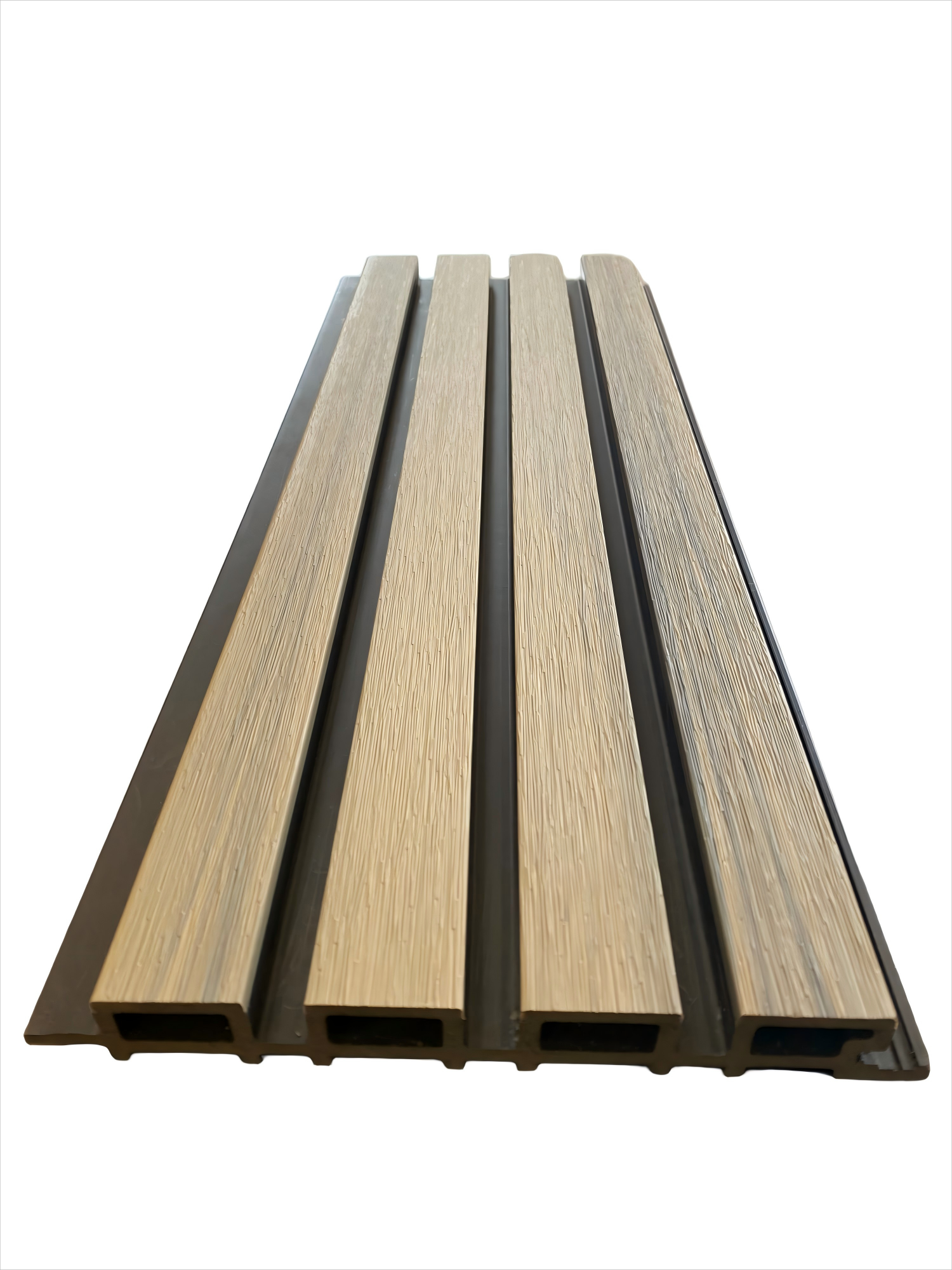
WPC flooring represents an advanced composite material typically composed of 60% wood fibers, 30% high-density polyethylene (HDPE), and 10% additive compounds including UV stabilizers, color pigments, and bonding agents. This precise formulation creates a material that maintains wood’s natural appearance while eliminating many of its weaknesses. The manufacturing process involves extrusion technology where heated composite material is forced through precision dies to create consistent profiles with specific structural features.
Linyi Xuancheng New Material Co., Ltd., a leading WPC manufacturer, employs state-of-the-art production facilities including over 40 extrusion lines and 20 co-extrusion lines. Their vertically integrated operation ensures complete control over material quality from raw fiber processing to final product finishing. The company’s advanced laser marking technology allows for permanent identification codes on each plank, enabling complete traceability throughout the product lifecycle.
Square Hole WPC Flooring: Performance Analysis
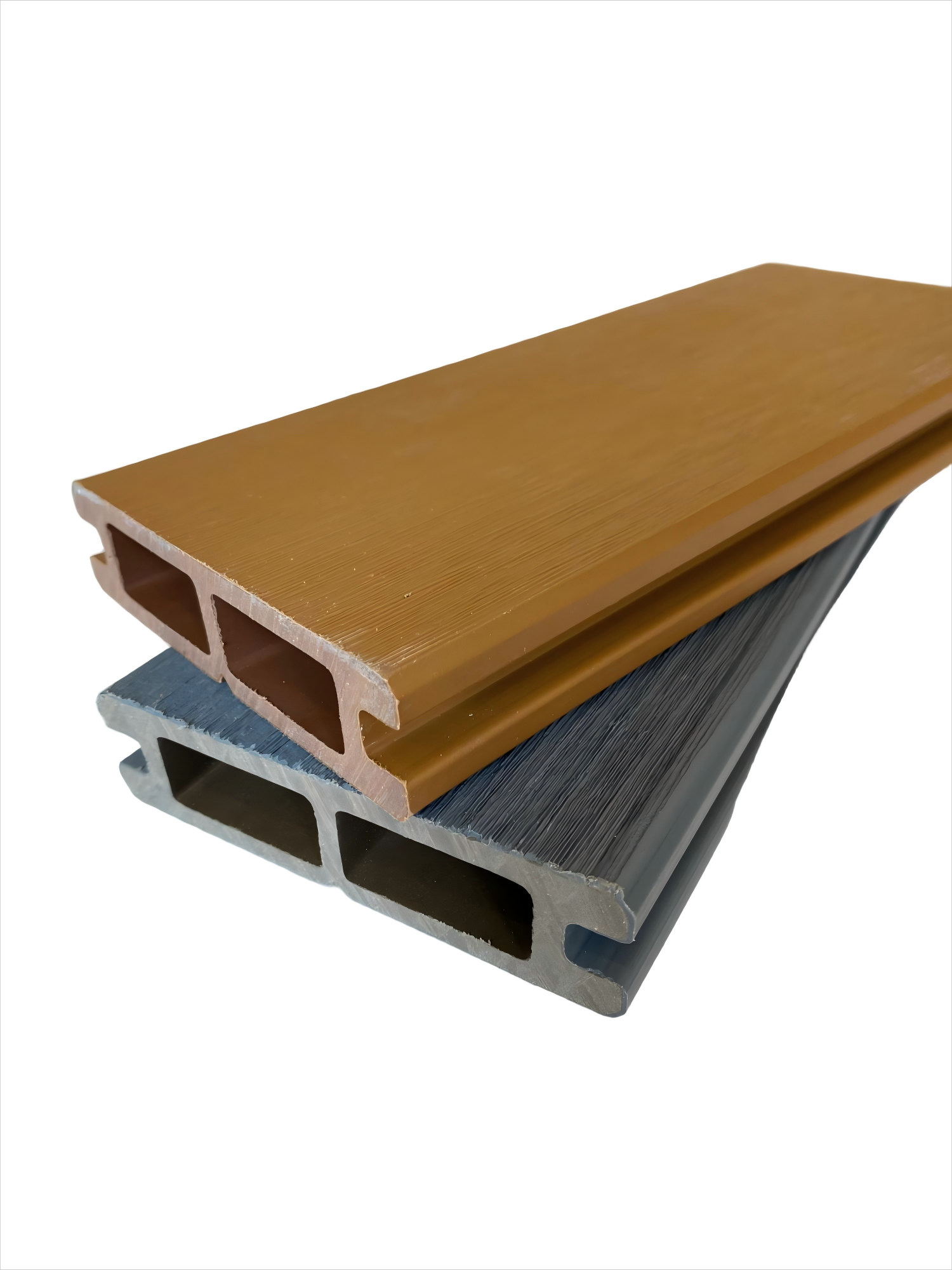
Square hole WPC flooring has become particularly popular for residential decking projects due to its balanced combination of structural integrity and cost efficiency. The square perforation design serves multiple functional purposes while maintaining aesthetic appeal. These hollow-core planks typically measure 140mm wide × 25mm thick with standard square hole dimensions of 20mm × 20mm spaced at 40mm centers.
The load capacity of square hole WPC flooring depends on several factors including plank span, joist spacing, and support structure. When properly installed with joists spaced at 400mm centers, these planks can safely support concentrated loads up to 300kg per square meter, making them suitable for residential patios, balconies, and garden walkways. The hollow design reduces material usage by approximately 30% compared to solid planks while maintaining 85% of the structural strength.
Deformation Resistance Characteristics
One common concern with hollow-core flooring relates to potential deformation under heavy loads or temperature fluctuations. Square hole WPC flooring addresses this through engineered reinforcement ribs that run perpendicular to the hole pattern. These internal supports distribute stress evenly across the plank surface while maintaining the weight advantages of hollow construction. When tested according to ASTM D7032 standards, properly manufactured square hole WPC planks show less than 2mm deflection under 500kg static load applied over 24 hours.
Thermal expansion coefficients for quality WPC materials typically range between 0.03-0.04mm/m°C. This means a 4-meter plank would expand approximately 1.2-1.6mm for every 10°C temperature increase. The square hole design provides built-in expansion channels that accommodate this movement without causing buckling or warping. When installing in areas with extreme temperature variations, leaving 5-8mm expansion gaps between planks ensures long-term stability.
Solid WPC Flooring: Advantages and Applications
For commercial projects and high-traffic areas requiring maximum durability, solid WPC flooring presents the optimal solution. These planks contain no internal voids, creating a homogeneous structure that distributes loads evenly across the entire surface. The manufacturing process for solid WPC involves higher material density and specialized co-extrusion techniques that apply a protective cap layer during production.
The cracking resistance of solid WPC stems from its material composition and manufacturing process. The HDPE content in quality solid WPC formulations typically exceeds 35%, creating a more flexible matrix that absorbs impact without fracturing. Additionally, the co-extruded cap layer (0.5-1mm thick) provides enhanced surface protection against UV degradation and moisture penetration, which are primary causes of cracking in inferior composite materials.
| Feature | Square Hole WPC | Solid WPC |
|---|---|---|
| Weight (kg/m²) | 12-14 | 18-22 |
| Load Capacity (kg/m²) | 300-400 | 600-800 |
| Thermal Expansion (mm/m°C) | 0.03-0.04 | 0.02-0.03 |
| Installation Cost | Lower | Higher |
Maintenance Requirements Compared
While both WPC types require significantly less maintenance than traditional wood decking, solid WPC offers distinct advantages in harsh environments. The non-porous surface of solid WPC resists staining from food, beverages, and chemicals, making it ideal for restaurant patios and poolside applications. Cleaning typically requires only mild soap and water, with occasional pressure washing (≤1200psi) for heavy soil accumulation.
Square hole WPC flooring may require slightly more frequent cleaning, particularly in areas with leaf litter or debris that can accumulate in the holes. However, the open design facilitates natural drainage and air circulation, preventing moisture retention that could lead to mold growth. For both types, avoiding abrasive cleaners and metal brushes preserves the surface finish and extends product lifespan.
Selecting the Right WPC Flooring for Your Project
Choosing between square hole and solid WPC flooring depends on several project-specific factors. For residential applications with moderate foot traffic, square hole WPC provides excellent value with its balance of cost, performance, and aesthetic options. The variety of surface textures available – including wood grain, brushed, and embossed finishes – allows customization to match any architectural style.
Commercial projects and areas subject to heavy loads or constant use should specify solid WPC flooring. This includes public walkways, hotel balconies, and sports facility decking where safety and durability are paramount. The additional investment in solid WPC pays dividends through reduced maintenance costs and longer service life, often exceeding 25 years with proper installation.
Installation quality significantly impacts both types of WPC flooring performance. Proper subframe construction using treated lumber or aluminum joists ensures adequate support and drainage. For square hole WPC, maintaining consistent joist spacing prevents excessive deflection between supports. Solid WPC installations require precise leveling to prevent stress concentrations that could lead to premature failure.
FAQ
What makes square hole WPC flooring suitable for residential decking?
Square hole WPC flooring combines cost efficiency with adequate structural strength for residential applications. The hollow design reduces material usage while internal reinforcement ribs maintain load capacity. These planks typically support 300-400kg/m² when properly installed, making them ideal for patios, balconies, and garden walkways in private homes.
How does solid WPC flooring prevent cracking in cold climates?
Solid WPC flooring resists cracking through its homogeneous composition and specialized manufacturing process. The higher HDPE content (35%+) creates a flexible matrix that absorbs impact without fracturing. Additionally, co-extrusion technology applies a protective cap layer that shields against UV degradation and moisture penetration, both primary causes of cracking in composite materials.
What maintenance differences exist between hollow and solid WPC?
Solid WPC requires less frequent cleaning due to its non-porous surface that resists staining. Square hole WPC may need slightly more attention to prevent debris accumulation in the holes, though its open design promotes natural drainage. Both types should avoid abrasive cleaners and metal brushes to preserve surface finish.
Can square hole WPC flooring be used for commercial projects?
While square hole WPC works well for light commercial applications like café terraces or small retail walkways, heavy-duty commercial projects should specify solid WPC. The solid construction provides superior load capacity (600-800kg/m²) and impact resistance required for high-traffic areas like hotel balconies or public walkways.
How does WPC flooring compare to traditional wood in cold weather?
WPC flooring outperforms traditional wood in cold climates by eliminating warping, cracking, and splitting. The engineered material maintains dimensional stability through temperature fluctuations, expanding/contracting at approximately 1/3 the rate of natural wood. Solid WPC shows even better thermal stability due to its homogeneous structure.
Summary
The choice between square hole and solid WPC flooring depends on specific project requirements regarding load capacity, budget, and intended use. Square hole designs offer excellent value for residential applications with moderate traffic, combining cost savings with sufficient structural strength. Solid WPC provides unmatched durability for commercial projects and harsh environments, justifying its higher initial investment through extended service life and reduced maintenance. Both options deliver significant advantages over traditional wood decking, including superior weather resistance, longer lifespan, and lower environmental impact through sustainable manufacturing practices.