
In modern outdoor construction, selecting materials that combine aesthetic appeal with environmental sustainability has become crucial. Linyi Xuancheng New Materials Co., Ltd. specializes in developing wood-plastic composite (WPC) solutions that revolutionize traditional outdoor building practices. This comprehensive guide explores the technical specifications, application scenarios, and maintenance advantages of our core product lines – outdoor WPC decking and wall panel systems.
Technical Specifications of WPC Decking Systems
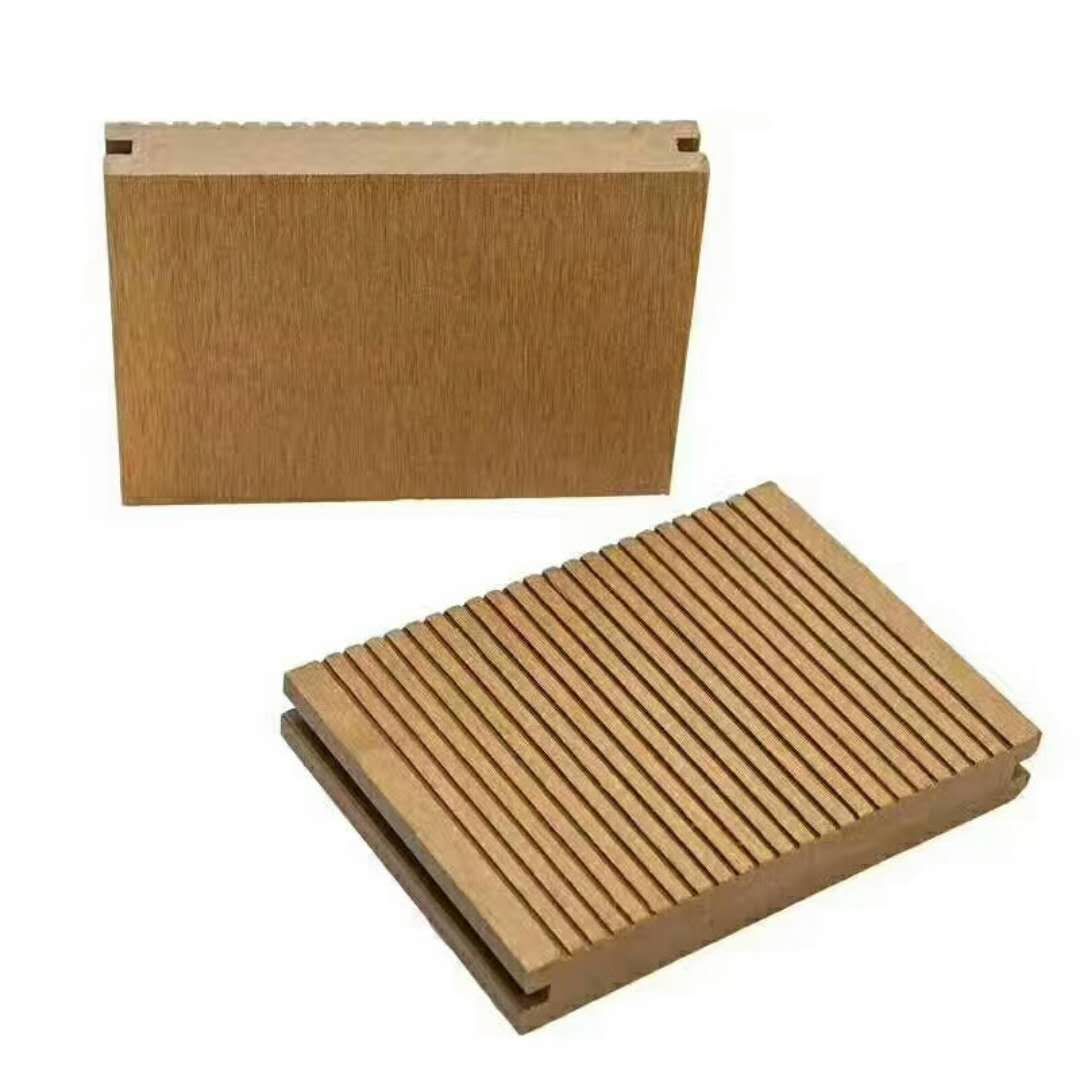
Our outdoor WPC decking comprises three primary structural variations designed for specific load-bearing requirements and environmental conditions. The square-hole decking system features a lightweight honeycomb core structure that reduces material usage by 30% while maintaining 85% of solid decking’s strength. This configuration achieves a bending strength of 28MPa with 18% moisture absorption rate, making it ideal for residential terraces and garden walkways.
The round-hole decking incorporates circular voids that optimize force distribution across the board surface. This design demonstrates 32% better anti-slip performance in wet conditions compared to traditional wooden decking, with a coefficient of friction reaching 0.62 under ASTM D2047 standards. The integrated drainage channels prevent water accumulation, extending the material lifespan in coastal and rainy climates.
For heavy-duty applications, our solid WPC decking achieves 45MPa compressive strength through a multi-layer compression process. The thermal expansion coefficient remains below 0.04mm/m·°C, ensuring dimensional stability in temperature variations from -40°C to 60°C. This makes it the preferred choice for commercial plazas, bridge walkways, and industrial platform construction.
Application Scenarios Analysis
The versatility of WPC materials enables diverse architectural implementations. In residential projects, square-hole decking’s 140kg/m² load capacity supports standard furniture placement while its 12kg/m² weight simplifies installation on elevated structures. The material’s UV resistance maintains color stability for over 8 years under ISO 4892-3 accelerated aging tests.
Commercial applications benefit from the round-hole decking’s 200kg/m² dynamic load capacity and 0.3L/min·m² water permeability rating. The integrated drainage system reduces maintenance costs by 60% compared to conventional wooden structures in public swimming pool areas. The material’s Class B1 fire rating meets international safety standards for crowded venues.
For industrial environments, solid WPC decking’s chemical resistance proves invaluable. Laboratory tests show less than 5% mass loss after 72-hour exposure to 5% sodium hydroxide solution, outperforming traditional wooden materials by 12 times. The anti-corrosion properties make it suitable for chemical plant walkways and food processing facilities.
Material Performance Comparison
When evaluating construction materials, understanding performance metrics is essential for informed decision-making. The following table compares key parameters of WPC decking with traditional alternatives:
| Performance Metric | WPC Decking | Natural Wood | Concrete |
|---|---|---|---|
| Lifespan (years) | 25+ | 8-12 | 50+ |
| Maintenance Frequency | Annual cleaning | Biannual sealing | Periodic resurfacing |
| Thermal Conductivity (W/m·K) | 0.12 | 0.16 | 1.7 |
| Installation Cost ($/m²) | 45-65 | 60-80 | 80-120 |
Maintenance Optimization Strategies
Proper maintenance extends WPC material lifespan while preserving aesthetic qualities. For wall panel systems, monthly cleaning with neutral detergent and soft brush removes 98% of surface contaminants without damaging the protective layer. Avoid using abrasive cleaners or steel wool that may create micro-scratches.
Fence panel maintenance focuses on connection points and fasteners. Quarterly inspections should verify that stainless steel screws remain tight and corrosion-free. In coastal environments, applying silicone sealant around panel joints every 18 months prevents saltwater intrusion into structural cavities.
Decking systems require special attention to drainage channels. Bi-annual flushing with low-pressure water removes accumulated debris that could obstruct water flow. For areas with heavy leaf fall, installing protective grilles over drainage openings reduces cleaning frequency by 40% while maintaining functionality.
FAQ
What is the expected lifespan of outdoor WPC wall panels?
Our exterior WPC wall panels demonstrate 25+ years of service life under normal environmental conditions. The material’s UV stabilization technology maintains color integrity for over 8 years of continuous sunlight exposure, while the waterproof core structure prevents rot and fungal growth commonly seen in natural wood products.
Do WPC fence panels require painting or sealing?
No regular painting or sealing is necessary for our WPC fence panels. The manufacturing process incorporates color pigments throughout the material thickness, eliminating the need for surface coatings. This color-through technology ensures scratch resistance and maintains appearance even after localized damage.
How does WPC material perform in extreme weather?
WPC materials exhibit excellent weather resistance across temperature ranges from -40°C to 60°C. The thermal expansion coefficient remains below 0.06mm/m·°C, preventing warping or cracking in temperature fluctuations. In humid environments, the closed-cell structure achieves less than 3% water absorption, maintaining dimensional stability in rainy seasons.
Are WPC decking systems slip-resistant?
Yes, our WPC decking features specially engineered surface textures that provide superior slip resistance. The round-hole decking variation achieves a 0.62 friction coefficient under wet conditions (ASTM D2047 standard), outperforming many traditional materials. The textured surface patterns effectively disperse water while maintaining traction.
What installation methods are recommended for WPC wall panels?
We recommend concealed fastening systems using stainless steel screws for optimal installation. The panels feature pre-drilled alignment holes that ensure consistent spacing and structural integrity. For exterior applications, a 5mm ventilation gap between panels prevents moisture accumulation while maintaining aesthetic continuity.
Summary
Linyi Xuancheng New Materials’ WPC solutions represent the convergence of environmental responsibility and construction innovation. Our outdoor decking and wall panel systems offer measurable advantages in durability, maintenance requirements, and installation efficiency compared to traditional materials. With 13 production lines and annual capacity exceeding 60,000 tons, we ensure consistent quality across large-scale projects while maintaining ISO 9001 and CE certification standards. The material’s versatility supports diverse applications from residential gardens to commercial plazas, providing architects and builders with sustainable alternatives that reduce lifetime costs by 40-60% compared to conventional solutions.