
When it comes to outdoor flooring, durability, water resistance, and ease of maintenance are key factors to consider. Round hole WPC (Wood-Plastic Composite) decking has emerged as a popular choice among homeowners, contractors, and landscape architects due to its exceptional performance in these areas. In this comprehensive guide, we will explore the features, benefits, applications, and maintenance tips for round hole WPC decking, helping you make an informed decision for your next outdoor project.
What is Round Hole WPC Decking?
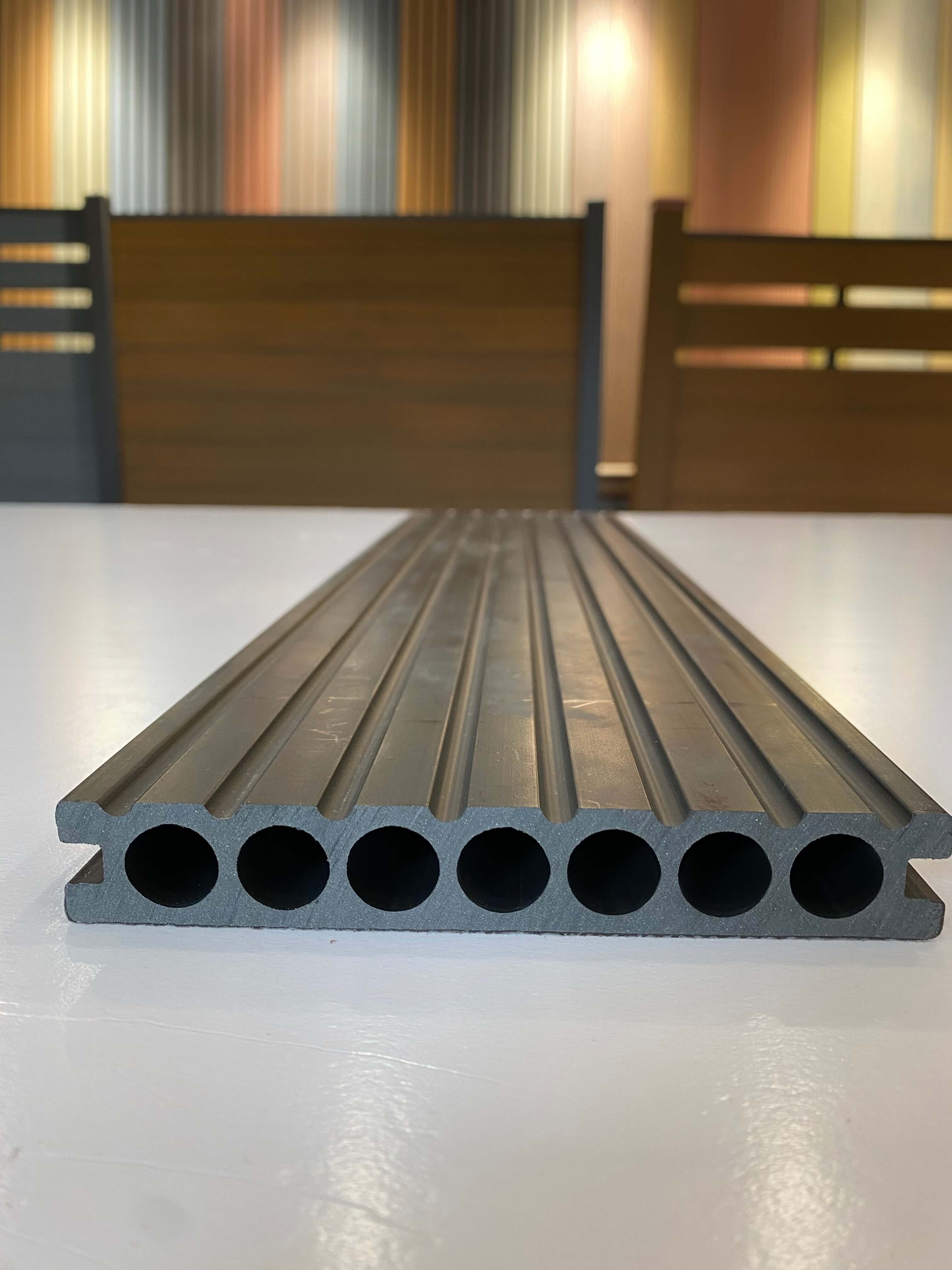
Round hole WPC decking is a type of outdoor flooring made from a blend of wood fibers and plastic polymers. This composite material combines the natural appearance of wood with the durability and low maintenance requirements of plastic. The “round hole” design refers to the circular perforations in the decking boards, which serve several important functions:
- Improved drainage: The round holes allow water to drain quickly, preventing water accumulation and reducing the risk of slipping.
- Enhanced air circulation: Better airflow under the decking helps to keep the surface dry and reduces the growth of mold and mildew.
- Reduced weight: The perforations make the decking boards lighter, making them easier to handle and install.
- Cost-effective: Less material is used in the production of round hole WPC decking, making it a more economical choice compared to solid decking boards.
Key Features and Benefits of Round Hole WPC Decking
Round hole WPC decking offers a range of features and benefits that make it an ideal choice for outdoor flooring projects. Let’s take a closer look at some of its key advantages:
1. Durability and Longevity
One of the primary benefits of round hole WPC decking is its exceptional durability. The combination of wood fibers and plastic polymers creates a strong and resilient material that can withstand heavy foot traffic, extreme weather conditions, and UV exposure without fading, cracking, or warping. This makes it an excellent choice for high-traffic areas such as patios, pool decks, and walkways.
2. Waterproof and Slip-Resistant
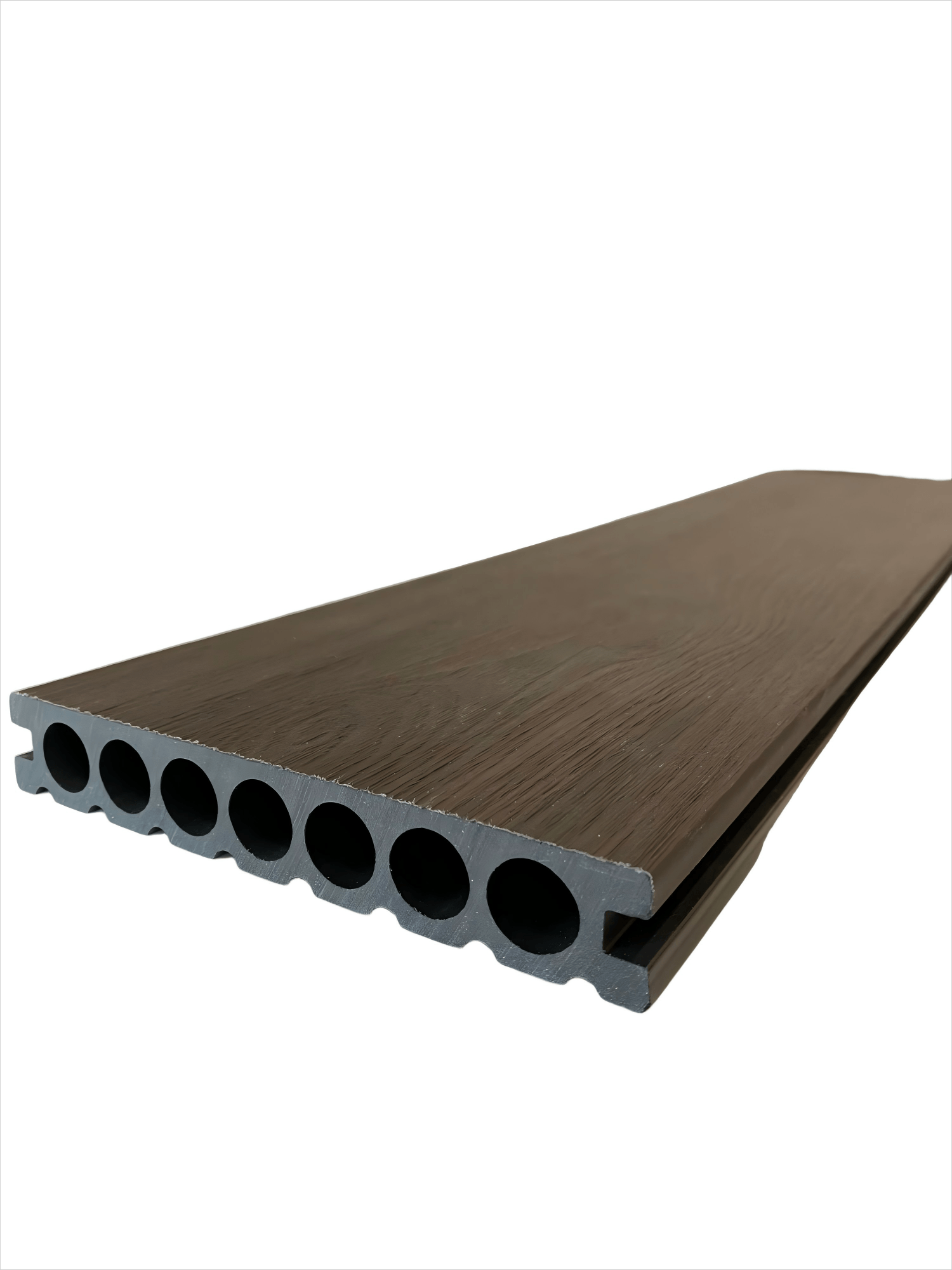
Round hole WPC decking is inherently waterproof, making it an ideal choice for areas exposed to moisture, such as pool decks, spa surrounds, and waterfront properties. The round holes in the decking boards facilitate quick drainage, preventing water from pooling on the surface and reducing the risk of slips and falls. Additionally, many manufacturers offer slip-resistant finishes to further enhance safety in wet conditions.
3. Low Maintenance Requirements
Unlike traditional wood decking, which requires regular staining, sealing, and sanding to maintain its appearance and protect it from the elements, round hole WPC decking is virtually maintenance-free. A simple occasional cleaning with soap and water is all that’s needed to keep it looking its best. This saves you time and money on maintenance costs over the lifespan of your deck.
4. Environmental-Friendly Choice
Round hole WPC decking is an eco-friendly alternative to traditional wood decking. By using a blend of recycled wood fibers and plastic polymers, it helps to reduce waste and conserve natural resources. Additionally, the production process for WPC decking generates fewer greenhouse gas emissions compared to the manufacturing of pressure-treated lumber.
5. Versatile Design Options
Round hole WPC decking is available in a wide range of colors, textures, and finishes, allowing you to customize the look of your outdoor space to suit your personal style and preferences. Whether you prefer a natural wood grain appearance or a more modern, sleek finish, there’s a round hole WPC decking option to match your aesthetic vision.
Applications of Round Hole WPC Decking
The versatility and durability of round hole WPC decking make it suitable for a variety of outdoor applications. Here are some of the most common uses for this type of decking:
- Residential Decks and Patios: Create a beautiful and functional outdoor living space for your home with round hole WPC decking. It’s perfect for entertaining guests, enjoying family meals, or simply relaxing in the sun.
- Pool Decks and Spa Surrounds: The waterproof and slip-resistant properties of round hole WPC decking make it an ideal choice for pool areas, where safety and durability are paramount.
- Walkways and Pathways: Use round hole WPC decking to create attractive and durable walkways through your garden or landscape. The quick drainage and air circulation help to prevent mud and puddles, keeping your pathways clean and dry.
- Commercial and Public Spaces: Round hole WPC decking is also suitable for use in commercial settings such as restaurants, hotels, and parks. Its durability and low maintenance requirements make it a cost-effective choice for high-traffic areas.
| Feature | Round Hole WPC Decking | Traditional Wood Decking |
|---|---|---|
| Durability | Highly durable, resistant to fading, cracking, and warping | Prone to fading, cracking, and warping over time |
| Water Resistance | Inherently waterproof, quick drainage through round holes | Requires sealing to prevent water damage |
| Maintenance | Low maintenance, occasional cleaning with soap and water | Requires regular staining, sealing, and sanding |
| Environmental Impact | Made from recycled materials, eco-friendly choice | Requires harvesting of natural resources |
| Cost | Higher initial cost, but lower long-term maintenance costs | Lower initial cost, but higher long-term maintenance costs |
FAQ
What is the lifespan of round hole WPC decking?
The lifespan of round hole WPC decking can vary depending on factors such as the quality of the material, the level of exposure to the elements, and the amount of foot traffic it receives. However, with proper installation and maintenance, round hole WPC decking can last for 25 years or more, making it a long-lasting and cost-effective choice for outdoor flooring.
Can round hole WPC decking be installed over existing wood decking?
In some cases, round hole WPC decking can be installed over existing wood decking, provided that the existing deck is structurally sound and in good condition. However, it’s important to consult with a professional installer to assess the feasibility of this approach and ensure that proper installation techniques are used to prevent moisture buildup and other issues.
Is round hole WPC decking susceptible to mold and mildew?
While round hole WPC decking is more resistant to mold and mildew compared to traditional wood decking, it’s not completely immune to these issues, especially in damp or shaded areas. To prevent mold and mildew growth, it’s important to keep the decking clean and dry, and to address any spills or standing water promptly. Additionally, some manufacturers offer mold-resistant finishes or additives that can be applied to the decking for added protection.
How do I clean round hole WPC decking?
Cleaning round hole WPC decking is a simple process that can be done with soap and water. Use a soft-bristled brush or a mop to scrub the surface of the decking, paying special attention to the round holes to remove any dirt or debris that may have accumulated. Rinse the decking thoroughly with clean water and allow it to air dry. For tougher stains or dirt buildup, you can use a mild deck cleaner or a solution of vinegar and water.
Summary
Round hole WPC decking is a durable, waterproof, and low-maintenance solution for outdoor flooring projects. Its unique design features, including the round holes for improved drainage and air circulation, make it an ideal choice for a variety of applications, from residential decks and patios to commercial walkways and pool decks. With its long lifespan, eco-friendly composition, and versatile design options, round hole WPC decking offers a cost-effective and attractive alternative to traditional wood decking. By choosing a reputable manufacturer and following proper installation and maintenance guidelines, you can enjoy a beautiful and functional outdoor space for years to come.