
When it comes to outdoor flooring solutions, WPC (Wood-Plastic Composite) has emerged as a leading choice for both residential and commercial projects. As a professional manufacturer specializing in green building materials, Linyi Xuancheng New Material Co., Ltd. offers a comprehensive range of WPC products designed to meet diverse application needs while maintaining superior environmental performance. This guide will help you understand the key differences between solid and hollow WPC flooring, evaluate the waterproof and slip-resistant properties of round hole designs, and make informed decisions for your outdoor projects.
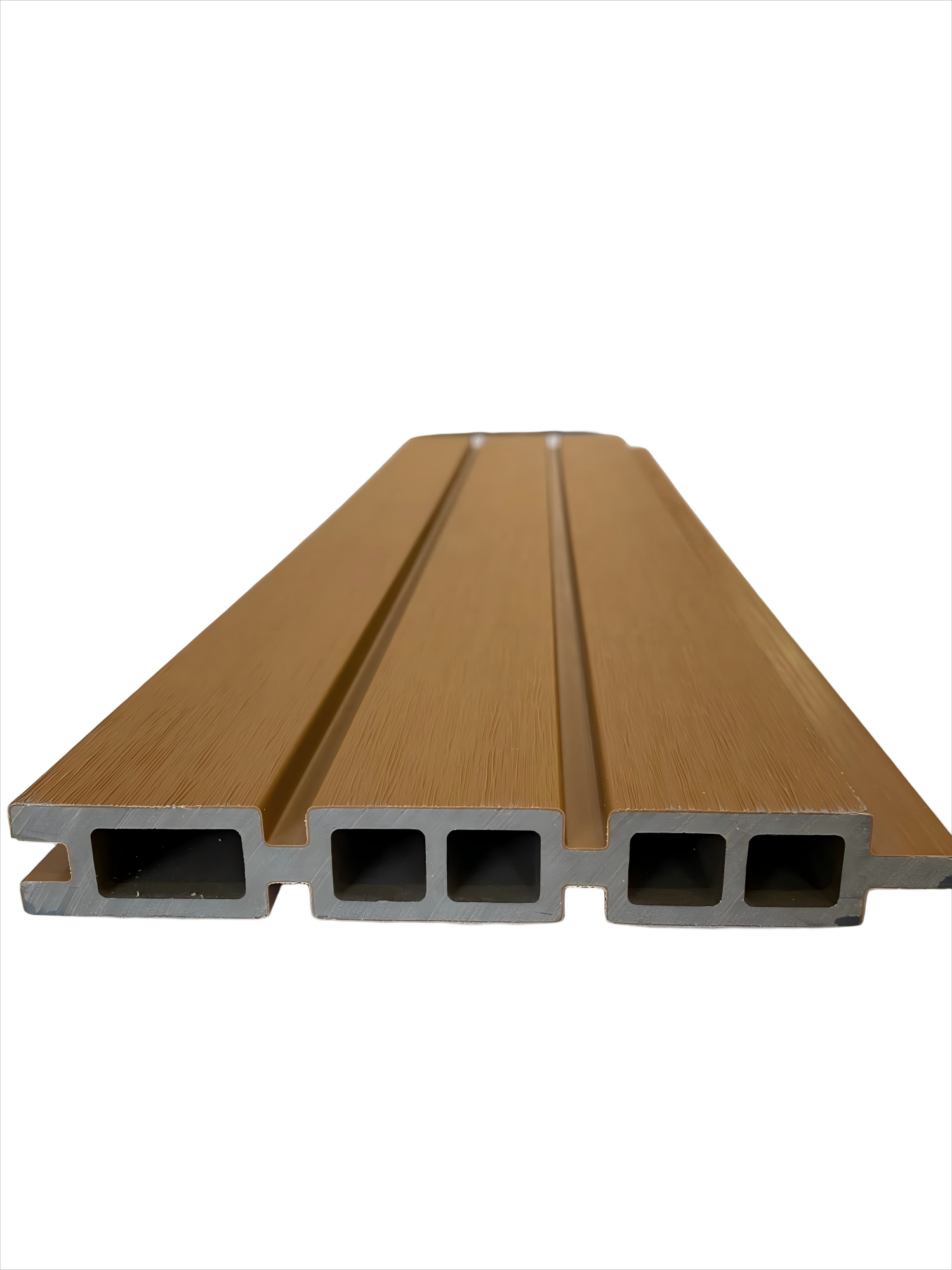
Understanding WPC Flooring Types: Solid vs Hollow
The primary distinction in WPC flooring comes down to its structural design – solid or hollow construction. Each type offers specific advantages tailored to different application scenarios:
Solid WPC Flooring Characteristics
Solid WPC flooring features a continuous, dense structure throughout its entire thickness. This design provides exceptional strength and durability, making it ideal for high-traffic areas and heavy-load applications. The solid construction effectively resists impact damage and maintains dimensional stability across varying temperature ranges, minimizing issues like warping or cracking.
Our solid WPC flooring products demonstrate superior load-bearing capacity, capable of supporting vehicle traffic and heavy equipment without deformation. This makes them particularly suitable for commercial plazas, public walkways, and industrial outdoor spaces where structural integrity is paramount. The uniform density also ensures consistent performance in terms of thermal expansion and contraction, reducing maintenance requirements over the product’s lifespan.
Hollow WPC Flooring Advantages
Hollow WPC flooring incorporates strategic voids within its profile, creating a lightweight yet strong structure. This design offers several practical benefits for specific applications:
- Reduced material usage: The hollow design requires less raw material while maintaining structural integrity, contributing to cost savings and environmental sustainability
- Improved drainage: The internal channels facilitate water flow, preventing ponding and enhancing slip resistance in wet conditions
- Easier handling: The reduced weight simplifies transportation and installation, lowering labor costs and installation time
- Thermal efficiency: The air gaps within the profile provide natural insulation, helping maintain comfortable surface temperatures in various climates
Within our hollow WPC flooring range, we offer both square hole and round hole designs, each optimized for specific performance characteristics and application scenarios. Understanding these differences is crucial for selecting the most appropriate product for your project.
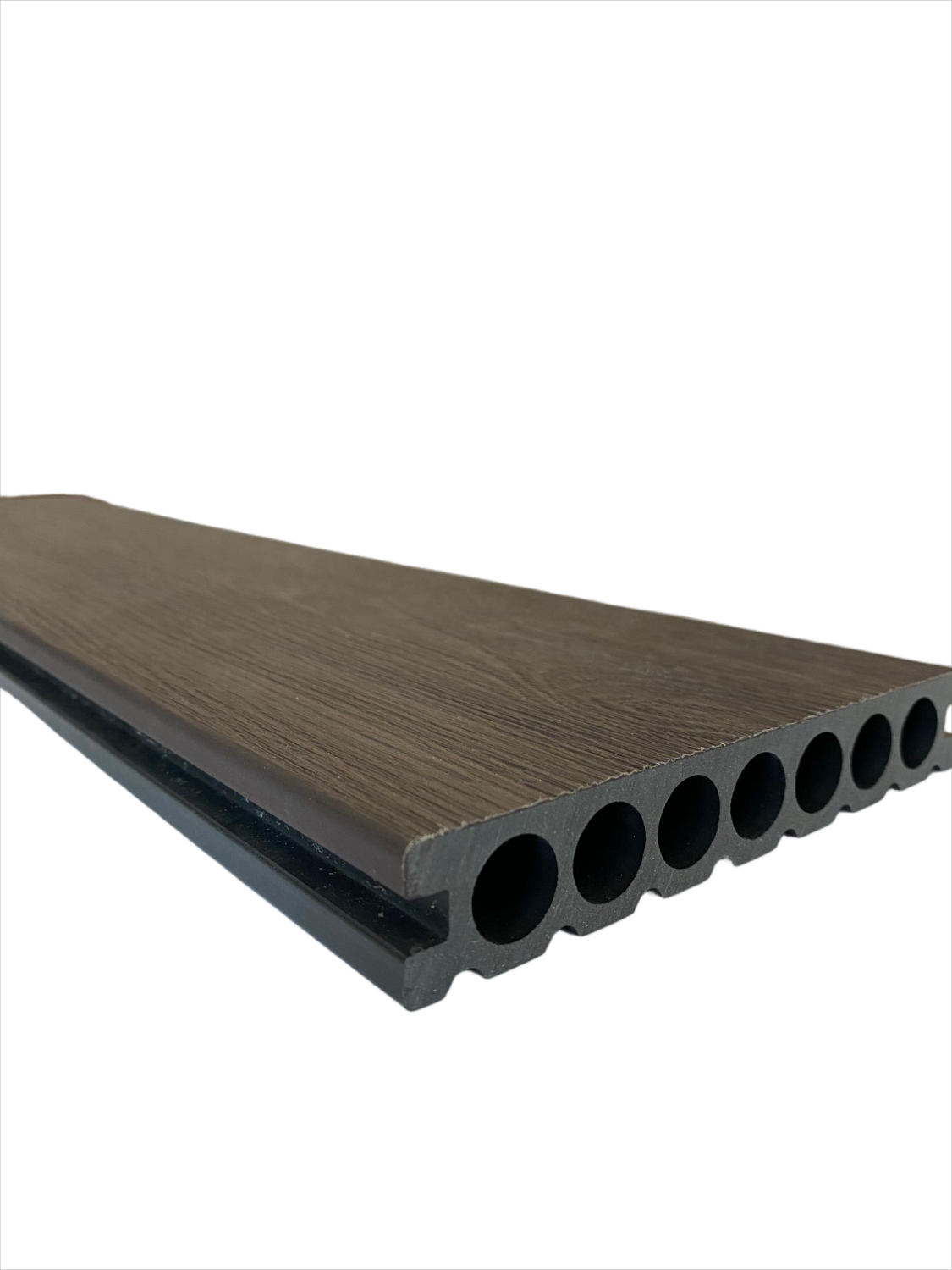
Round Hole WPC Flooring: Performance Analysis
Our round hole WPC flooring represents a specialized hollow design that combines lightweight construction with enhanced structural performance. The circular voids are strategically positioned to optimize the balance between strength and material efficiency while providing specific functional advantages.
Waterproof Properties of Round Hole WPC Flooring
One of the most critical considerations for outdoor flooring is its ability to withstand moisture exposure without compromising performance. Our round hole WPC flooring excels in this area through several design features:
The circular voids are engineered to prevent water ingress while allowing for efficient drainage. Unlike square holes that may collect debris in corners, the smooth curves of round holes facilitate self-cleaning action as water flows through, reducing the risk of clogs that could lead to water pooling on the surface. This design ensures that even after heavy rain, the flooring dries quickly, maintaining its slip-resistant properties and preventing moisture-related damage to the substructure.
Additionally, our manufacturing process incorporates advanced waterproofing technologies at multiple levels. The WPC material itself contains water-resistant additives that prevent swelling and degradation when exposed to moisture. The surface treatment includes a specialized coating that creates a hydrophobic barrier, causing water to bead up and roll off rather than penetrating the material. This multi-layered approach to waterproofing ensures long-lasting performance even in challenging outdoor environments.
Slip Resistance Evaluation
Safety is paramount for any outdoor flooring solution, particularly in areas that may become wet from rain, splashes, or cleaning. Our round hole WPC flooring addresses this concern through several design elements:
The surface texture of our round hole WPC flooring features a carefully engineered pattern that increases friction underfoot. This texture works in tandem with the drainage properties of the round holes to maintain optimal slip resistance in both dry and wet conditions. The circular voids are positioned to ensure that even when water is present on the surface, it can quickly drain away rather than creating hazardous slicks.
Independent testing has demonstrated that our round hole WPC flooring maintains excellent slip resistance coefficients across various conditions. When properly installed on a well-prepared subbase, the flooring provides a secure walking surface that meets or exceeds international safety standards for public spaces. This makes it an ideal choice for pool decks, spa areas, and other locations where water exposure is frequent.
| Feature | Round Hole WPC Flooring | Square Hole WPC Flooring |
|---|---|---|
| Drainage Efficiency | Excellent – circular design prevents debris accumulation | Good – may require more frequent cleaning |
| Slip Resistance (Wet) | Superior – quick drainage maintains surface traction | Good – depends on drainage effectiveness |
| Structural Strength | High – optimized circular reinforcement | Very Good – right-angle reinforcement |
| Weight | Lightweight – efficient material distribution | Lightweight – but slightly heavier than round hole |
Selecting the Right WPC Flooring for Your Project
Choosing between solid, square hole, and round hole WPC flooring requires careful consideration of your specific project requirements. As a leading manufacturer with over a decade of experience in WPC technology, we can guide you through this selection process based on several key factors:
Application Environment Analysis
The intended use environment plays a crucial role in determining the most suitable WPC flooring type. For high-traffic commercial areas requiring maximum durability, our solid WPC flooring offers unmatched strength and longevity. In contrast, residential projects focusing on aesthetics and cost-effectiveness may benefit more from our hollow designs, particularly the round hole variant for its superior drainage capabilities.
Projects in wet climates or areas with frequent rainfall should prioritize flooring with excellent drainage properties. Our round hole WPC flooring excels in these conditions, preventing water accumulation that could lead to slip hazards or substructure damage. For arid regions where water exposure is minimal, square hole designs may provide sufficient performance at a potentially lower cost.
Installation Considerations
The ease of installation can significantly impact project timelines and costs. Our hollow WPC flooring options, including both square and round hole designs, offer advantages in this area due to their reduced weight. This makes handling and positioning the planks easier for installation teams, potentially reducing labor requirements compared to solid WPC flooring.
However, it’s important to note that solid WPC flooring may require less precise subbase preparation in some cases, as its density can compensate for minor irregularities. Our technical team can provide detailed installation guidelines tailored to your specific project conditions and selected flooring type, ensuring optimal performance and longevity.
FAQ
What are the main differences between solid and hollow WPC flooring?
Solid WPC flooring features a continuous, dense structure throughout its thickness, providing maximum strength and durability for heavy-load applications. Hollow WPC flooring incorporates internal voids (either square or round holes) to reduce weight while maintaining structural integrity, offering advantages in drainage, thermal efficiency, and ease of installation. The choice depends on your specific project requirements for strength, weight, and drainage performance.
How waterproof is round hole WPC flooring for outdoor use?
Our round hole WPC flooring is designed with excellent waterproof properties through multiple layers of protection. The material itself contains water-resistant additives that prevent swelling and degradation. The surface features a specialized hydrophobic coating that repels water. Additionally, the round hole design facilitates efficient drainage, preventing water accumulation on the surface that could lead to moisture-related issues.
Which WPC flooring type has better slip resistance?
For optimal slip resistance, especially in wet conditions, our round hole WPC flooring offers superior performance. The circular voids are engineered to prevent water pooling while the surface texture increases friction. This combination ensures quick drainage and maintains surface traction even when wet. Both solid and square hole WPC flooring also provide good slip resistance when properly installed and maintained.
Can outdoor WPC wall panels withstand UV exposure?
Yes, our outdoor WPC wall panels, including the popular Great Wall board design, are formulated with advanced UV stabilizers that protect against color fading and material degradation from sunlight exposure. These additives maintain the panels’ aesthetic appeal and structural integrity even in areas with intense sunlight. Independent testing confirms that our WPC wall panels retain their color and strength after prolonged UV exposure, making them suitable for long-term outdoor use.
How to select the right WPC flooring for my project?
Choosing the right WPC flooring involves evaluating several factors: 1) Expected traffic volume and load requirements (heavy-duty projects may need solid flooring), 2) Climate conditions (wet areas benefit from round hole designs for drainage), 3) Installation constraints (hollow designs are lighter and easier to handle), and 4) Budget considerations. Our technical team can analyze your specific project requirements and recommend the most suitable WPC flooring type from our comprehensive product range.
Summary
Selecting the appropriate WPC flooring for your outdoor project requires careful evaluation of structural requirements, environmental conditions, and performance expectations. Solid WPC flooring offers unmatched strength for heavy-duty applications, while hollow designs provide cost-effective solutions with excellent drainage properties. Within our hollow WPC range, the round hole design stands out for its superior waterproofing and slip resistance, making it ideal for wet climates or areas with frequent water exposure.
As a leading manufacturer of green building materials, Linyi Xuancheng New Material Co., Ltd. combines advanced production technology with rigorous quality control to deliver WPC products that meet the highest international standards. Our comprehensive range includes solid and hollow WPC flooring options, along with specialized wall panels and fence boards, all designed to create sustainable, low-maintenance outdoor spaces.
Whether you’re renovating a residential patio, designing a commercial plaza, or developing a public park, our technical team can provide expert guidance to help you select the most suitable WPC products for your specific needs. With over a decade of experience in WPC technology and numerous international certifications, we are committed to delivering innovative solutions that enhance the beauty and functionality of outdoor environments worldwide.